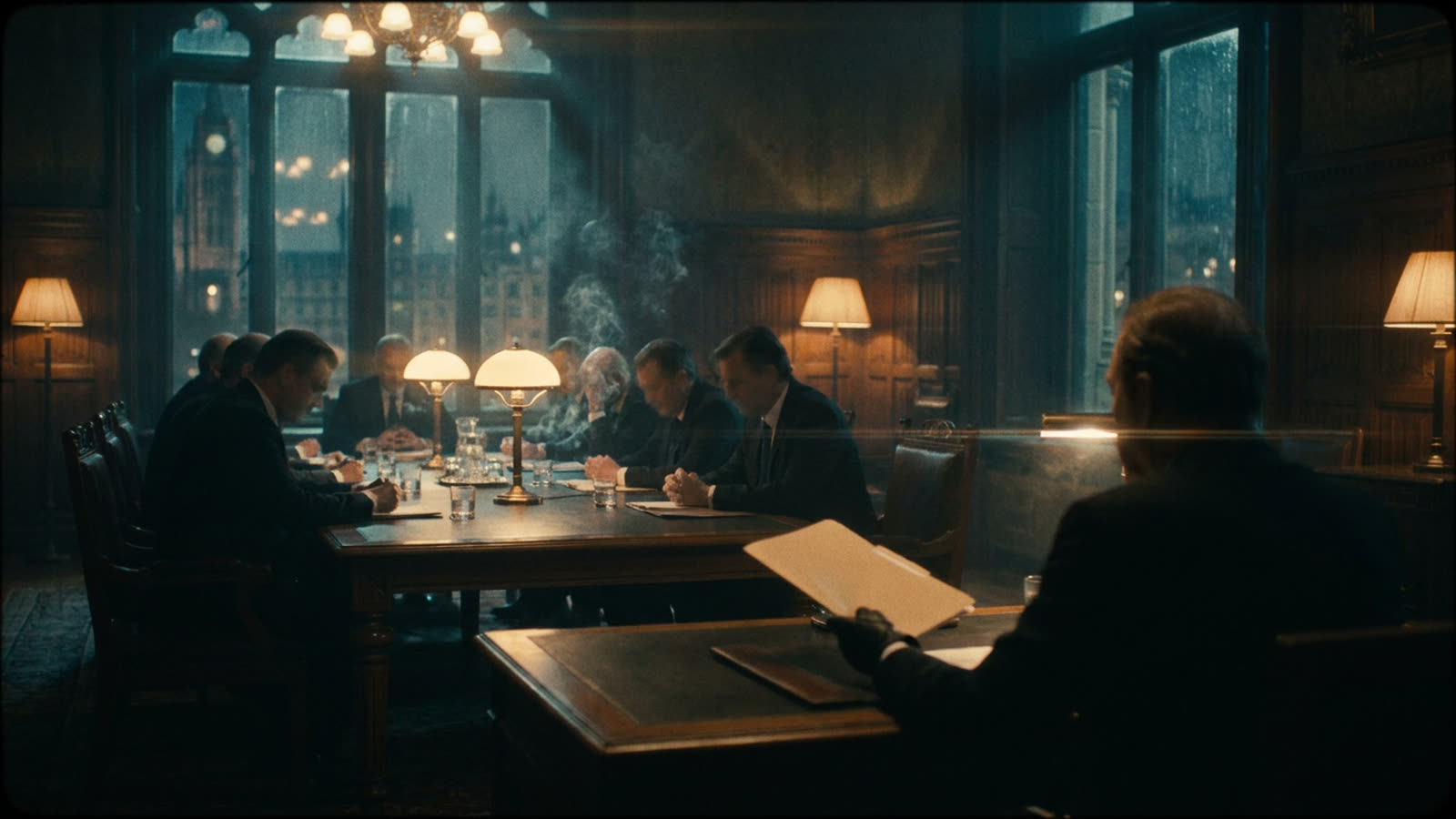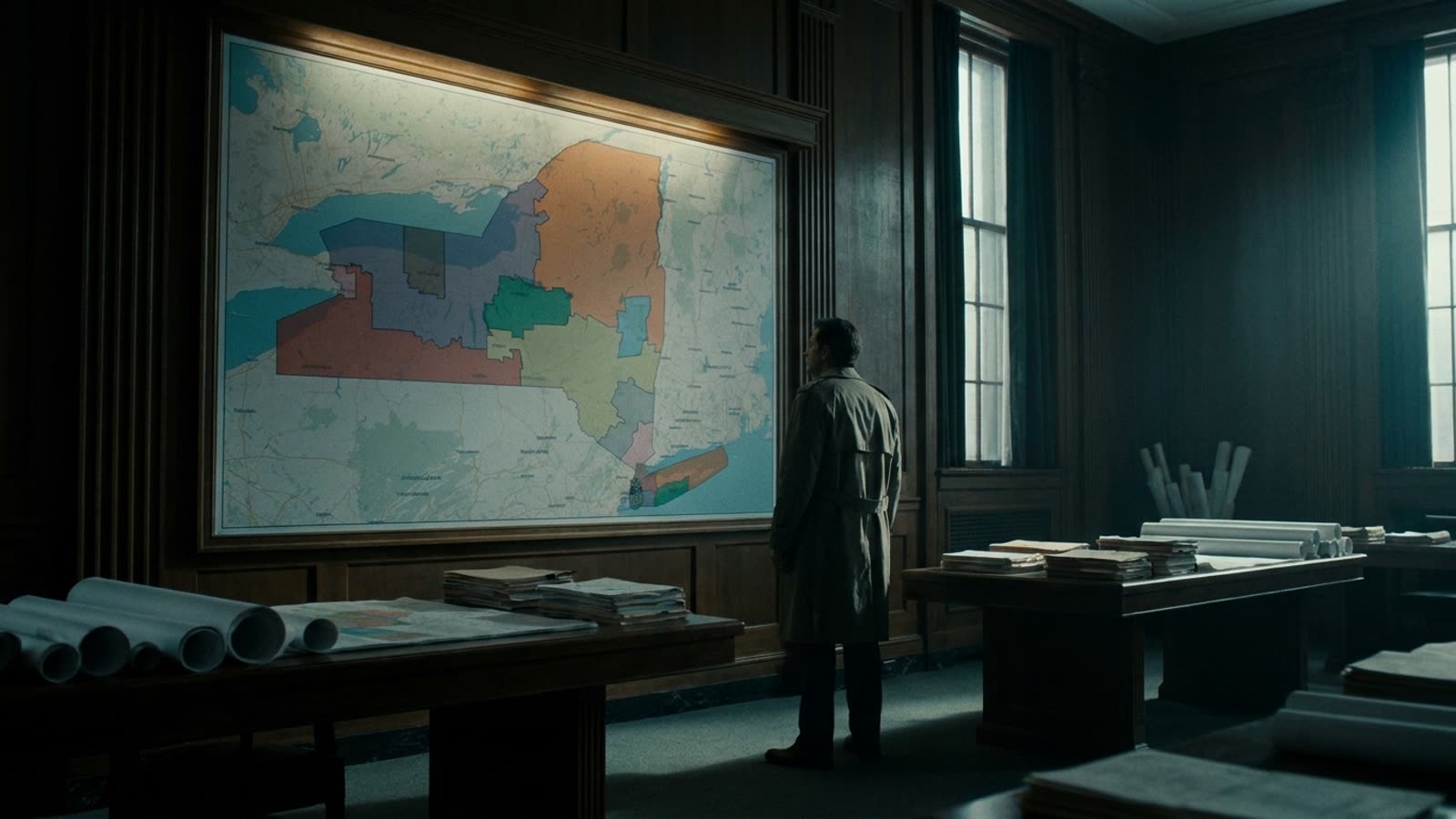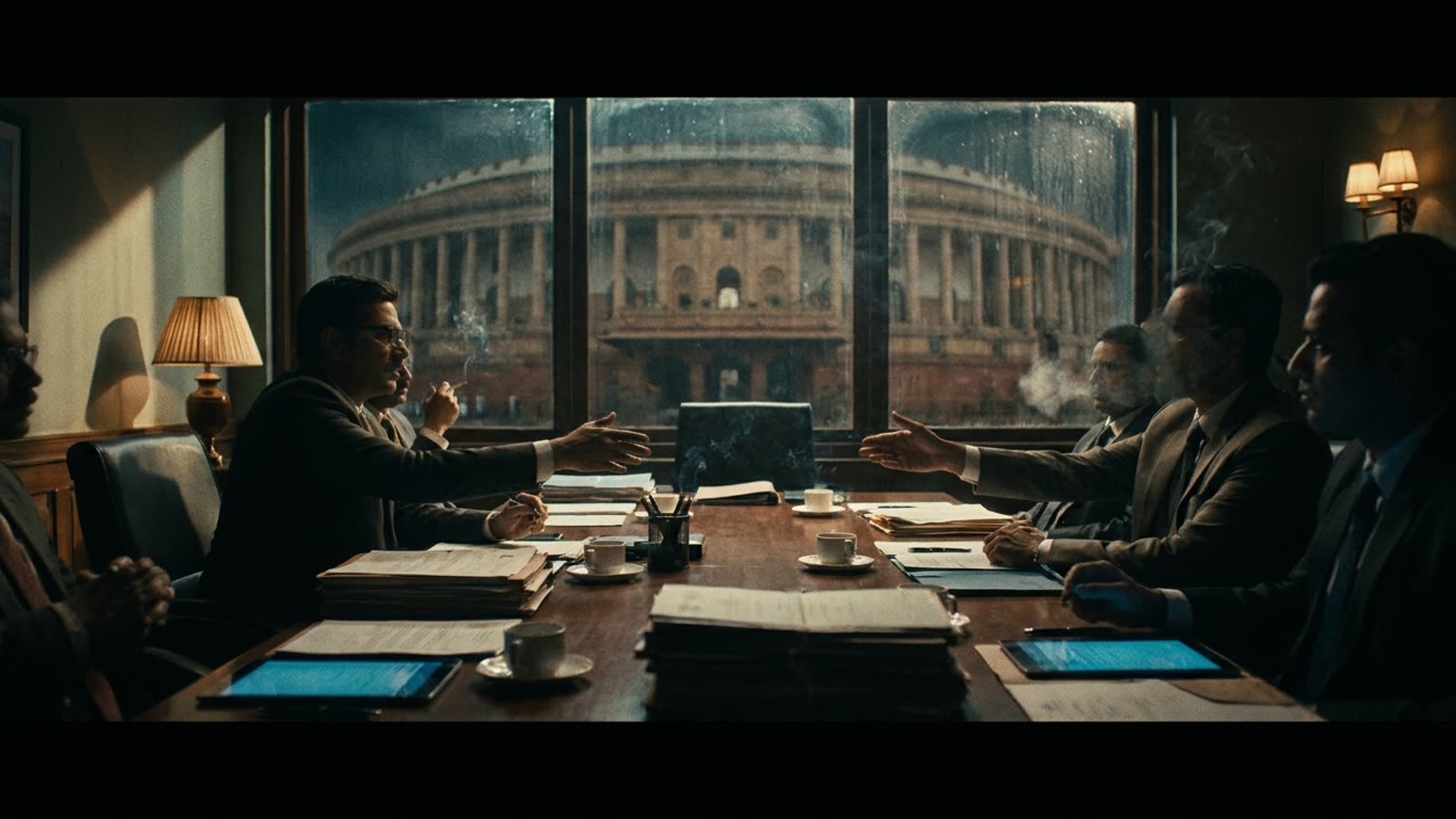
In most of the world's democracies, election night is the beginning of the story, not the end. The votes are counted, the seats are allocated, and then the real work begins: figuring out who will actually govern. Coalition formation—the process by which parties that competed against each other agree to share power—is where mandates are made and broken, where campaign promises collide with mathematical reality, and where the gap between what voters chose and what they get is quietly negotiated behind closed doors.
This is not a bug in parliamentary democracy. It is the system working as designed.
The arithmetic of power
The basic math is deceptively simple. In most parliamentary systems, a government needs to command a majority of seats to survive confidence votes and pass legislation. When no single party wins that majority outright—which is the norm in countries with proportional representation—parties must combine forces. Germany, the Netherlands, Belgium, Israel, Italy, India, and dozens of other democracies routinely produce coalition governments. Even the United Kingdom, with its first-past-the-post system designed to manufacture majorities, has seen coalition and minority governments when the electoral math refuses to cooperate.
But the arithmetic only tells you who could govern together. The politics determines who will. A party with fifteen percent of seats might extract more concessions than one with thirty percent if its votes are essential to reaching the magic number. Small parties positioned between larger blocs become kingmakers, able to shop their support to the highest bidder. The result is that coalition negotiations often reward strategic positioning over raw electoral success.
The invisible constitution
What happens inside these negotiations is governed by convention, not law. Most constitutions are silent on the mechanics: they specify that parliament must approve a government but say nothing about how that government should be assembled. The rules emerge from practice, precedent, and the personalities involved.
Typically, the head of state—a president or monarch—designates a formateur, usually the leader of the largest party, to attempt forming a government. This person consults with potential partners, probing for areas of agreement and mapping out irreconcilable differences. If they fail, the mandate passes to someone else. Belgium once went over five hundred days without a government because no viable coalition could be assembled.
The negotiations themselves are exercises in creative ambiguity. Parties must reconcile conflicting manifestos while giving each partner something to show their voters. The resulting coalition agreement—a detailed document that can run to hundreds of pages—becomes a shadow constitution for the government's term, specifying policy commitments, ministerial allocations, and procedures for resolving future disputes.
The democratic deficit question
Critics argue that coalition formation is inherently undemocratic: voters choose parties, but unelected negotiators choose governments. A party that campaigned against another might end up governing with them. Promises made to voters get traded away for cabinet seats. The public watches from outside while their representatives cut deals.
Defenders counter that this misunderstands what elections are for. Voters express preferences; coalitions aggregate them into workable majorities. The alternative—minority government or perpetual gridlock—serves no one. Besides, coalition agreements are public documents, and voters can punish parties at the next election for the compromises they made.
The deeper truth is that all democratic governance involves negotiation and compromise. Presidential systems simply hide it better, pushing the deal-making into legislative committees and executive-legislative bargaining rather than coalition talks. Parliamentary coalitions make the sausage-making visible.
Our take
Coalition formation is where democratic theory meets human nature—where ideological purity crashes into the brute fact that governing requires allies. It rewards patience, flexibility, and the ability to count votes, qualities that rarely feature in campaign rhetoric. The process is messy, opaque, and often produces governments that nobody voted for directly. It is also, in proportional systems, the only honest way to translate fragmented electorates into functional governments. The smoke-filled room was never abolished. We just stopped noticing the smoke.