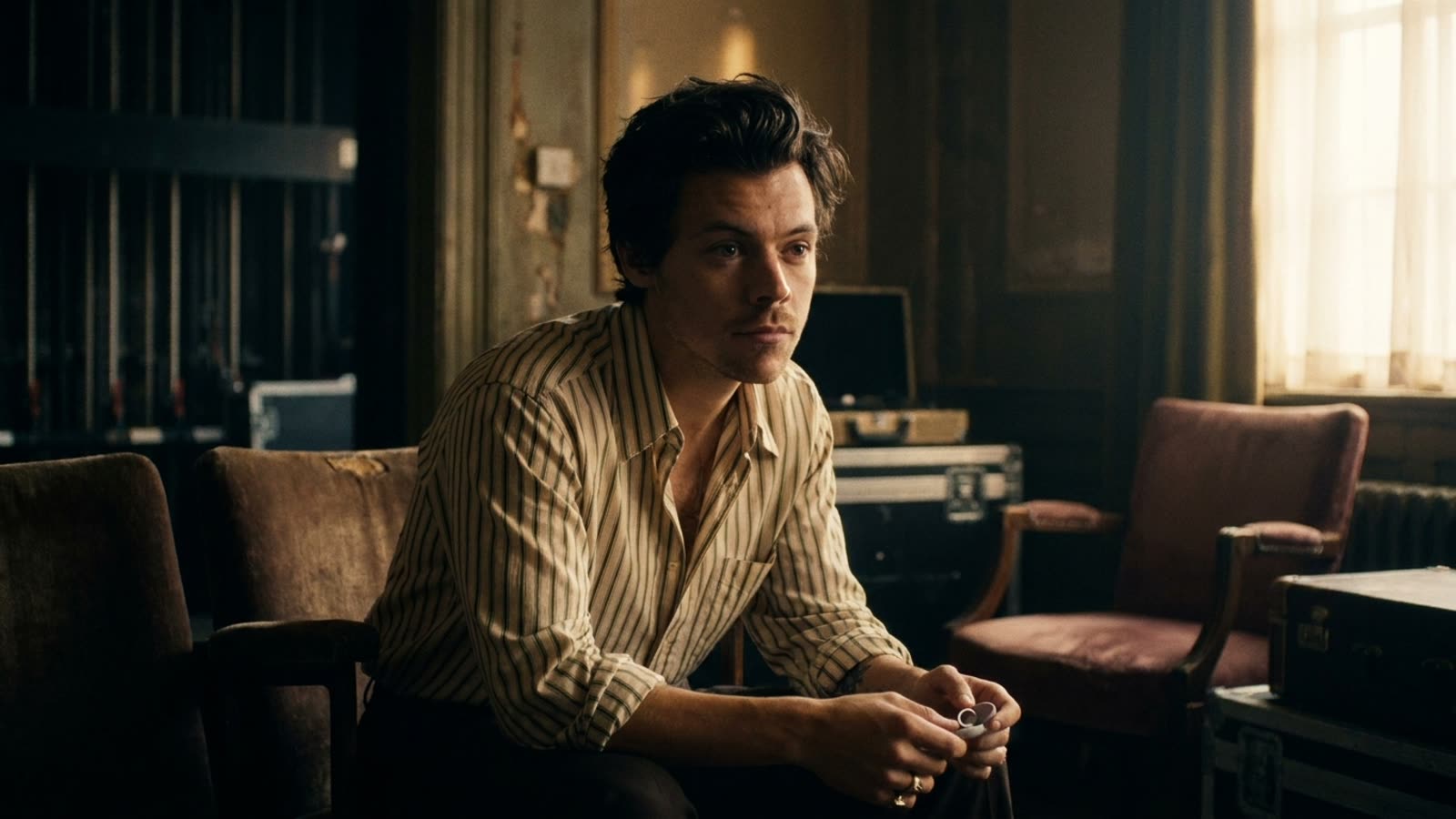
There is something almost too perfect about a musician who fills stadiums with screaming fans now selling you protection from loud noise. Harry Styles's lifestyle brand Pleasing has announced a limited-edition collaboration with Loop Earplugs, offering the Experience 2 model in custom colorways, and the product launch reads less like commerce than confession.
Styles founded Pleasing in 2021 with nail polish and skin serums, positioning it as a gender-fluid beauty venture for the aesthetically curious. The brand has since expanded into fragrances, apparel, and now—with exquisite irony—hearing protection. The earplugs retail in the premium tier that Loop occupies, somewhere between drugstore foam and custom-molded audiologist specials, and they promise to reduce decibels while preserving sound quality. They are, in other words, designed for people who want to attend concerts without suffering for it afterward.
The wellness pivot industrial complex
Styles joins a crowded field of celebrities who have discovered that selling solutions to modern life's anxieties is more reliable than selling music. Gwyneth Paltrow has Goop. Kourtney Kardashian has Poosh. Jessica Alba built Honest Company on the premise that everything in your medicine cabinet might be poisoning you. The formula is consistent: identify a diffuse worry, aestheticize it, and offer a product that transforms anxiety into aspiration.
Earplugs fit this template neatly. Noise pollution is a genuine public health concern—the WHO estimates that prolonged exposure to sounds above 85 decibels can cause hearing damage, and the average rock concert hovers around 110. But the Loop partnership is not really about audiology. It is about the broader cultural moment in which overstimulation has become a status marker, and managing your sensory environment signals sophistication rather than fragility.
The parasocial economics of protection
What makes the Styles earplugs particularly fascinating is the closed loop they represent. His fans attend his concerts, where decibel levels routinely exceed safe thresholds. They scream, he performs, everyone's ears ring on the drive home. Now those same fans can purchase, from him, elegant protection from the experience he provides. It is not exploitation exactly—Loop makes a quality product, and hearing preservation is genuinely worthwhile—but it does suggest a certain circularity in the celebrity economy.
The limited-edition framing matters too. Scarcity creates urgency, and urgency bypasses the question of whether you actually need earplugs in Harry Styles's preferred shade of sage green. You need them because they exist, because they will not exist forever, and because ownership signals membership in a community defined by taste rather than mere fandom.
Our take
Styles is smarter than his critics give him credit for, and Pleasing has built genuine brand equity by refusing to be embarrassing about its ambitions. The earplugs are a logical extension of a lifestyle brand that treats self-care as aesthetic practice. But there is something faintly absurd about the transaction nonetheless—a rock star selling you relief from rock stardom, packaged in colors that match your Pleasing nail polish. The celebrity wellness economy has always been about selling permission: permission to rest, to indulge, to protect yourself from a world that feels like too much. That Harry Styles is now selling literal insulation from sound feels less like innovation than inevitability.