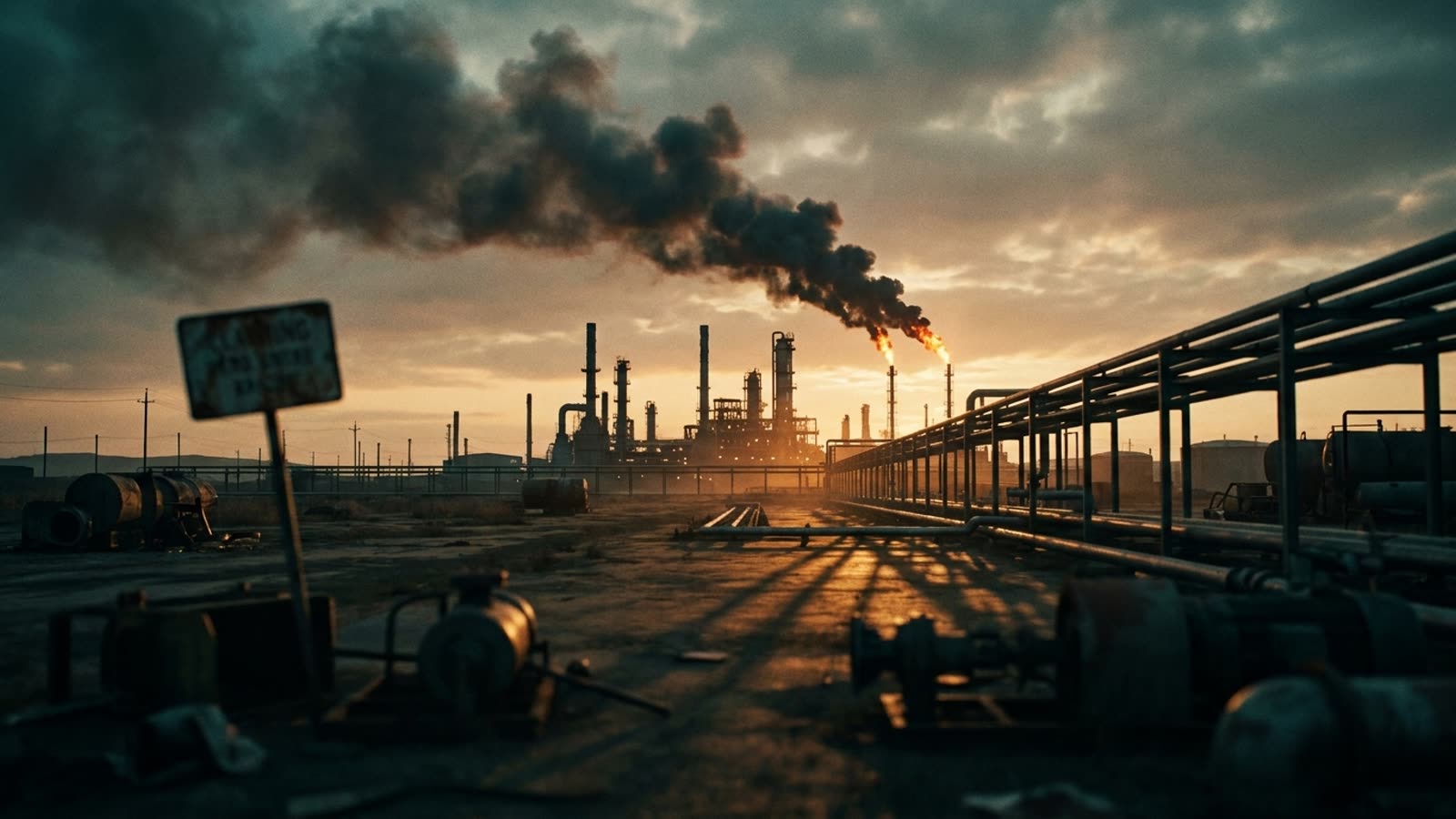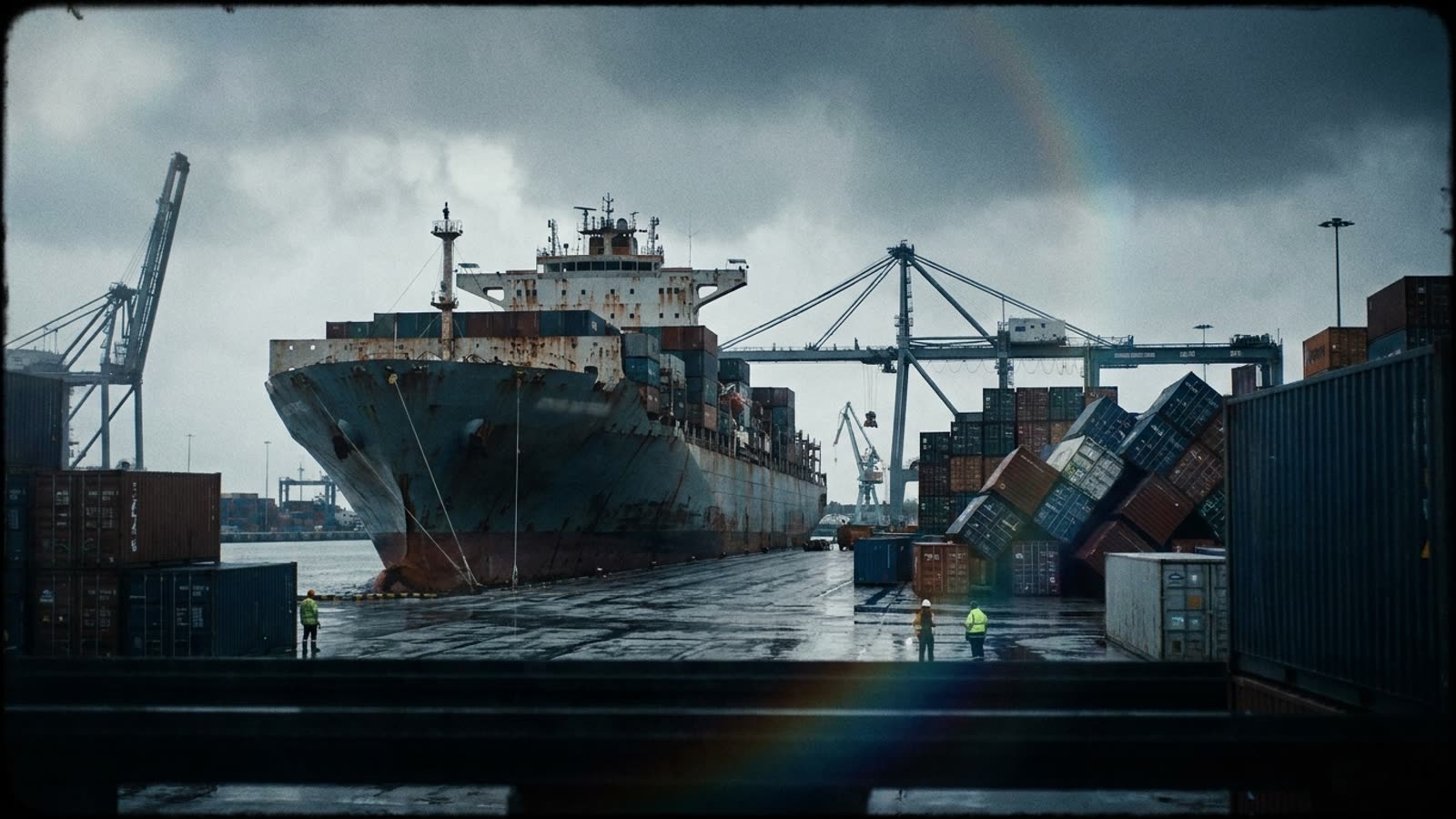
The world's supply chains never fully healed from the pandemic, and now they are tearing open again—this time with complications that make the 2021 crisis look almost quaint.
What began as isolated disruptions in semiconductor shipments and rare-earth minerals has metastasized into a systemic shortage affecting everything from industrial machinery to pharmaceutical ingredients. The common thread is not a single chokepoint but a cascade of them: Red Sea shipping remains perilous, drought has throttled the Panama Canal's capacity for a second consecutive year, and the frantic reshoring of manufacturing to North America and Europe has created demand for factory equipment that simply does not exist in sufficient quantities. The result is a global economy running on fumes of inventory, with lead times stretching and prices climbing in ways that central bankers had hoped were behind us.
The inflation echo
For the Federal Reserve and its counterparts, the timing is brutal. After two years of grinding inflation back toward target, policymakers now face a supply-side shock that monetary policy is poorly equipped to address. Raising rates further would crush demand but do nothing to conjure missing components; holding steady risks letting inflation expectations drift upward again. The European Central Bank confronts an even uglier version of this dilemma, with energy costs still elevated and manufacturing output contracting. Bond markets are already pricing in a longer pause at restrictive levels, and the yield curve's persistent inversion suggests traders see recession as the more likely resolution.
Labor's precarious position
The employment picture is where the shortages bite hardest. Factories that cannot secure inputs are idling lines and furloughing workers; logistics firms that cannot fill containers are trimming headcount. In Germany, industrial giants have announced tens of thousands of job cuts tied explicitly to supply uncertainty. American manufacturers, many of whom expanded aggressively to capture reshoring subsidies, are discovering that building a plant is easier than staffing and supplying it. The irony is sharp: policies designed to create domestic jobs may instead create domestic layoffs if the upstream components remain stuck overseas or simply unproduced.
No quick fix
Unlike the pandemic-era crunch, which resolved as demand patterns normalized and ports unclogged, the current shortage has structural roots. Climate volatility is not a one-off; canal and river transport will remain unreliable. Geopolitical fragmentation is accelerating, not reversing; firms must now maintain redundant supply lines across blocs that do not trust each other. And the capital goods needed to build new capacity—machine tools, semiconductor fabrication equipment, specialized chemicals—are themselves in short supply, creating a bottleneck on bottleneck relief. Economists at the IMF have quietly revised their medium-term growth forecasts downward, citing precisely this feedback loop.
Our take
The comfortable assumption that globalization's efficiencies would always be available on demand has been disproven twice in five years. Companies and governments alike are learning that resilience costs money, and that money is now coming due—in higher prices, slower growth, and jobs that exist on paper but not on factory floors. The supply chain is no longer a background utility; it is the economy's binding constraint, and it will remain so for the foreseeable future.