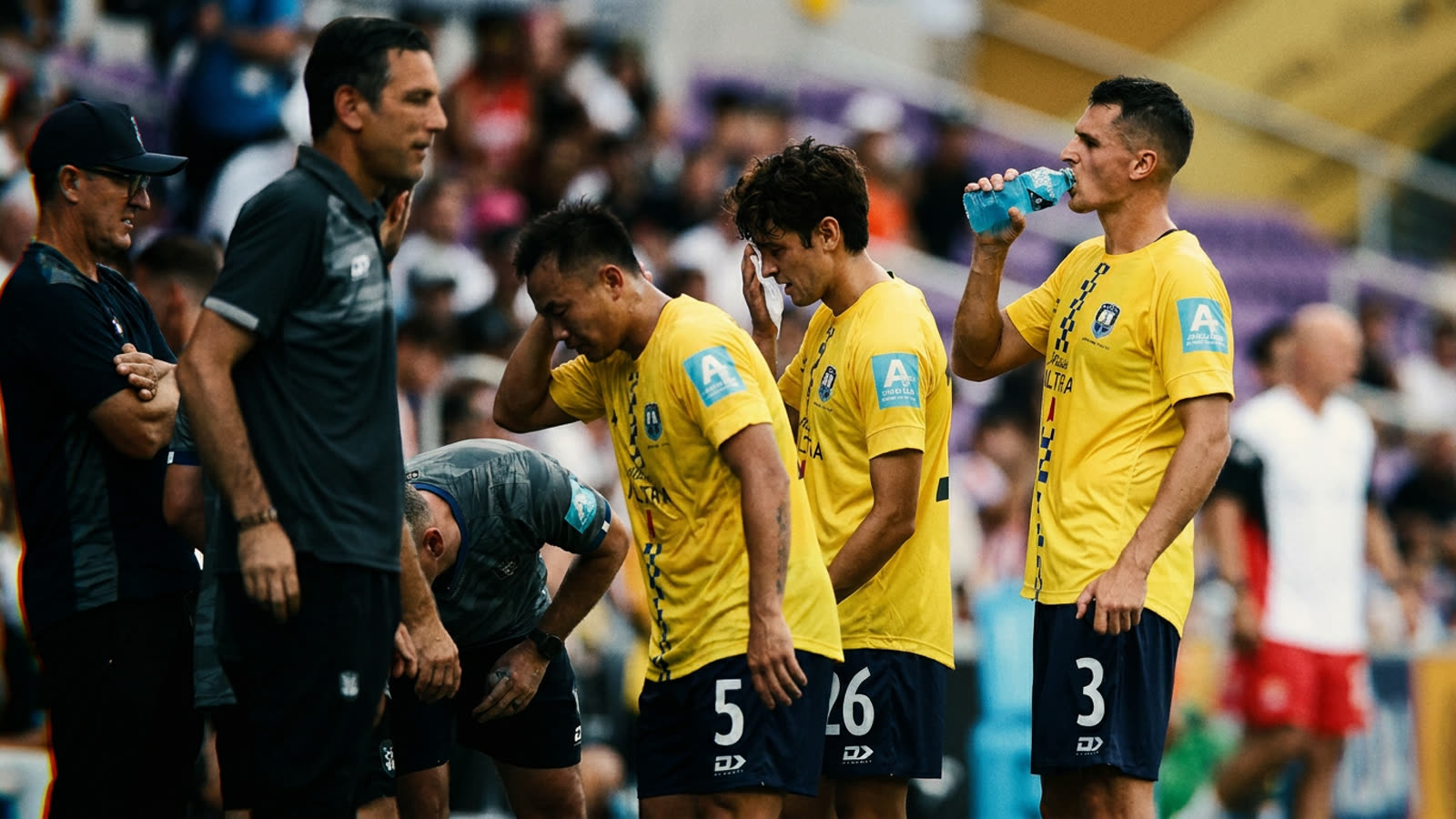
The sound is unmistakable: a low, rolling boo spreading through stadiums in Dallas, Miami, and Toronto whenever referees halt play for mandatory hydration breaks. Three days into the 2026 FIFA World Cup, North American crowds have made their displeasure known — they came for ninety minutes of continuous action, and nobody warned them about the pauses.
The backlash is understandable on its surface. American sports fans are conditioned to television timeouts, quarter breaks, and seventh-inning stretches — all neatly packaged commercial interruptions that feel transactional. A hydration break in the thirty-fifth minute, with players casually sipping from bottles while the clock ticks, registers as dead air. It disrupts the rhythm without offering the payoff of a replay montage or a beer run.
The protocol exists for a reason
FIFA's cooling breaks are not aesthetic choices. They are medical interventions mandated when the Wet Bulb Globe Temperature — a composite measure of heat, humidity, and solar radiation — exceeds specific thresholds. With matches in Houston, Atlanta, and Mexico City scheduled during peak summer, organizers anticipated this. The alternative to brief hydration pauses is players collapsing from heat exhaustion, a scenario that would generate rather more dramatic interruptions.
The irony is thick. American football, the nation's true sporting obsession, averages over three hours of broadcast time for roughly eleven minutes of actual play. Basketball's final two minutes routinely stretch beyond fifteen. Yet a three-minute water break in continuous action draws jeers.
A cultural adjustment period
What the booing really reveals is how much the United States, Canada, and Mexico — despite co-hosting the tournament — remain on the periphery of global football culture. European and South American fans accept cooling breaks as unremarkable, the same way they accept matches ending 0-0 without demanding overtime. The game's pace is its own reward.
Host-nation crowds will likely adapt. By the knockout rounds, when stakes sharpen attention, the pauses may feel less intrusive. Or perhaps American broadcasters will learn to fill the gaps with tactical analysis rather than awkward silence, teaching audiences to see the break as a strategic reset rather than dead time.
Our take
The booing is not malicious — it is the sound of unfamiliarity. North America bid for this tournament partly to deepen its football culture, and culture does not arrive fully formed. If the price of hosting the world's biggest sporting event is learning to tolerate a few minutes of players drinking water in extreme heat, that seems a modest ask. The alternative — watching an athlete carried off on a stretcher — would interrupt the match rather more severely.