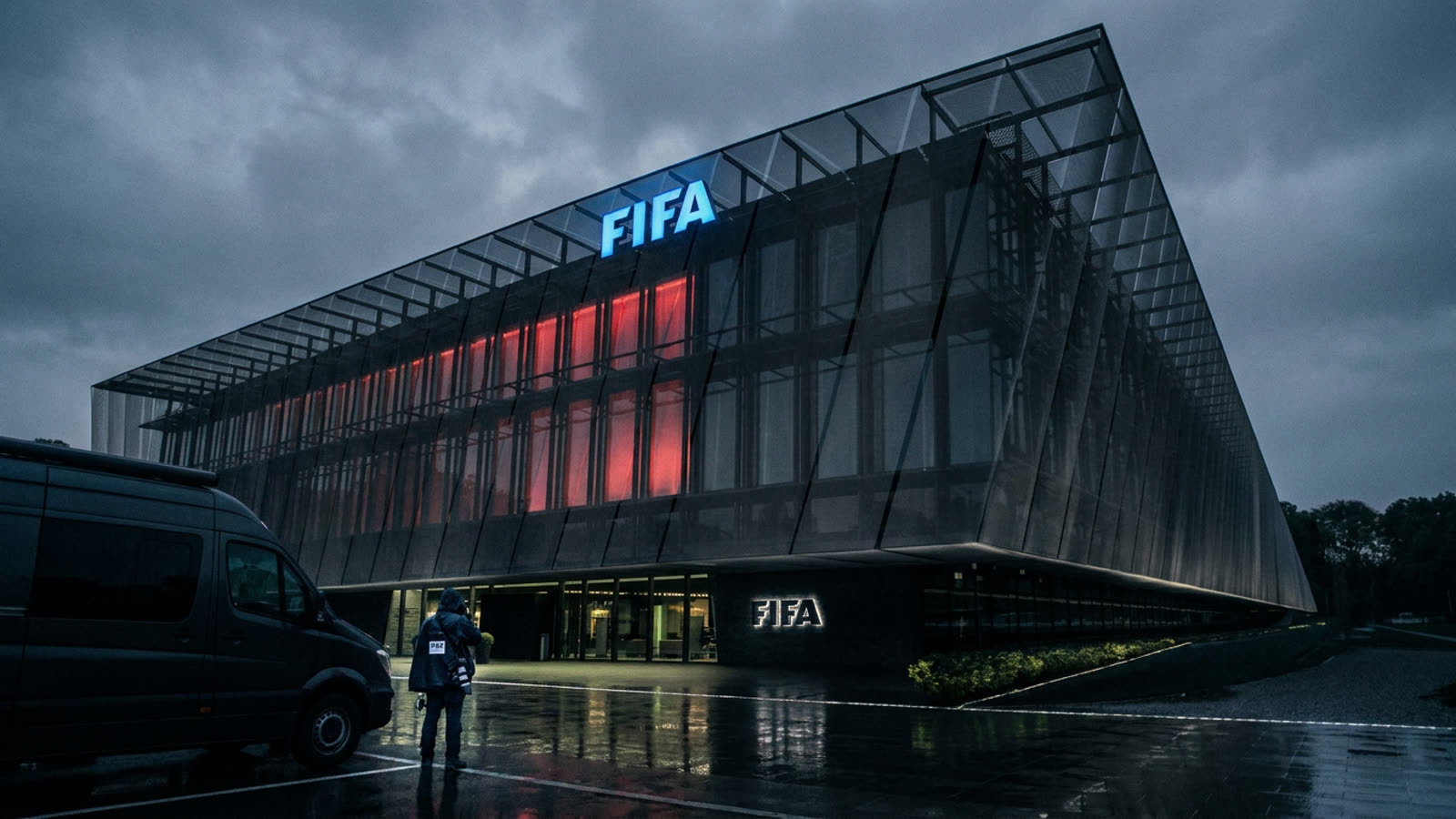
The disciplinary machinery of international football is not known for its mercy, which makes FIFA's decision to suspend Folarin Balogun's red-card ban all the more striking. The American striker—the tournament's joint-leading scorer with four goals—will take the field against Belgium in the round of 16 after the governing body concluded that his dismissal in the round-of-sixteen victory warranted review rather than immediate enforcement.
The original infraction, a second yellow card for what officials deemed simulation in the penalty area, had threatened to derail the most promising American World Cup run since 2002. Balogun's absence would have forced head coach Gregg Berhalter into an awkward tactical reshuffle against a Belgian side that, while aging, remains capable of punishing any structural weakness.
The case for clemency
FIFA's disciplinary committee rarely reverses course mid-tournament, but the Balogun situation presented an unusually murky fact pattern. Video evidence suggested the contact that sent him tumbling was more substantial than the referee initially judged, and the committee's statement cited "insufficient clarity" in the original call. The one-match suspension remains on the books but will only be activated if Balogun receives another caution during the knockout rounds—a sword of Damocles, but one he can live with.
The timing matters as much as the substance. Had the ban stood, the U.S. would have entered its first round of 16 on home soil in twenty-four years without its most dangerous attacking weapon. Balogun, who chose to represent the country of his birth after coming through Arsenal's academy in England, has been the tournament's revelation: quick, clinical, and utterly unfazed by the occasion.
What Belgium now faces
The Belgians had been preparing for a Balogun-less opponent. Manager Domenico Tedesco will now need to recalibrate his back line, which has looked vulnerable to pace throughout the group stage. Kevin De Bruyne and Romelu Lukaku can still hurt anyone on the counter, but Belgium's golden generation is now firmly in its twilight, and the prospect of chasing the game against a full-strength American attack is not what they would have chosen.
The round of 16, set for July 9 in Dallas, will be played in front of a crowd that has been waiting decades for a match of this magnitude. Balogun's reprieve ensures they will see the version of the U.S. team that has captured the host nation's imagination.
Our take
FIFA did the right thing, even if it did so for the wrong reasons. The governing body has an obvious interest in keeping the host nation's best player on the pitch—television ratings and sponsorship obligations do not care about procedural purity. But the underlying call was genuinely dubious, and enforcing a ban on shaky evidence would have been a worse outcome than the awkwardness of a mid-tournament reversal. Balogun gets his chance. Now he has to take it.