The Federal Reserve has spent two years congratulating itself on bringing headline inflation down from its 2022 peak without triggering a recession. But the real measure of monetary policy success isn't where prices are today—it's where the public believes they're headed. On that score, the central bank is losing ground.
Recent surveys from the University of Michigan and the New York Fed show five-year inflation expectations creeping toward levels not seen since the early 1990s. Consumers aren't just worried about this year's grocery bill; they're beginning to price persistent inflation into their mental models of the future. For a central bank whose entire framework depends on anchored expectations, this drift represents a slow-moving crisis.
Why expectations matter more than readings
Inflation is, at its core, a coordination problem. If workers expect prices to rise 5% next year, they demand 5% wage increases. If businesses expect input costs to climb, they raise prices preemptively. The Fed's primary weapon against this spiral isn't interest rates per se—it's the belief that rates will be deployed aggressively enough to keep inflation at 2%. Once that belief erodes, the math changes. The central bank must inflict more economic pain to achieve the same result.
This is precisely what happened in the 1970s. Arthur Burns and his successors kept rates too low for too long, allowing expectations to become unmoored. It took Paul Volcker's brutal recession of 1981-82 to re-anchor them. The Fed has spent four decades protecting that hard-won credibility. Now geopolitical shocks, tariff uncertainty, and persistent services inflation are testing it.
The tariff wildcard
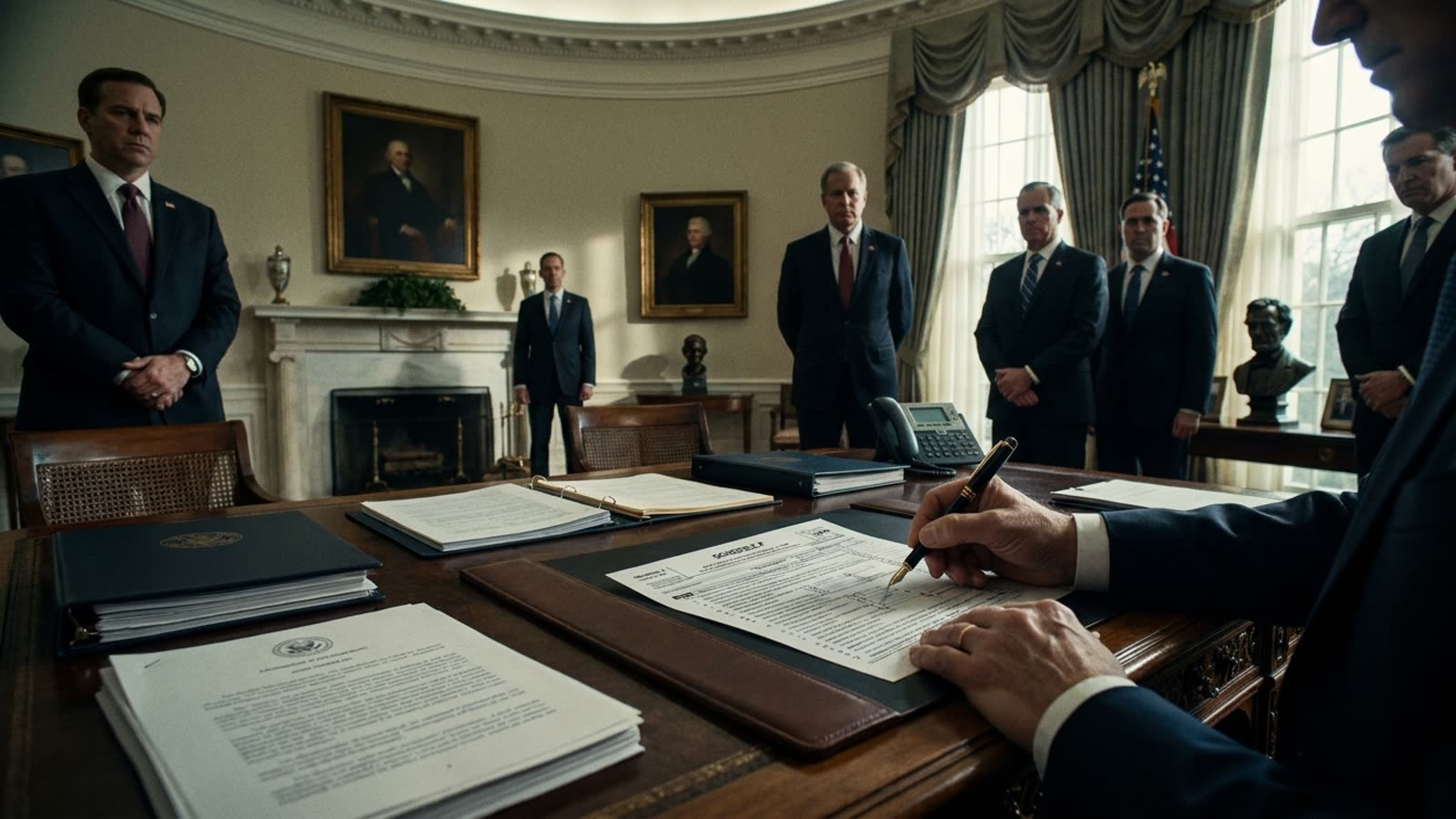
The Trump administration's recent 59-country tariff announcement adds a structural wrinkle. Tariffs are a one-time price-level adjustment in theory, but consumers don't experience them that way. They see higher prices at Walmart and assume more are coming. The Fed typically "looks through" supply shocks, but when those shocks arrive amid already-elevated expectations, the distinction becomes academic. Chair Powell faces an unenviable choice: tighten policy into trade-war headwinds or risk validating the public's inflation fears.
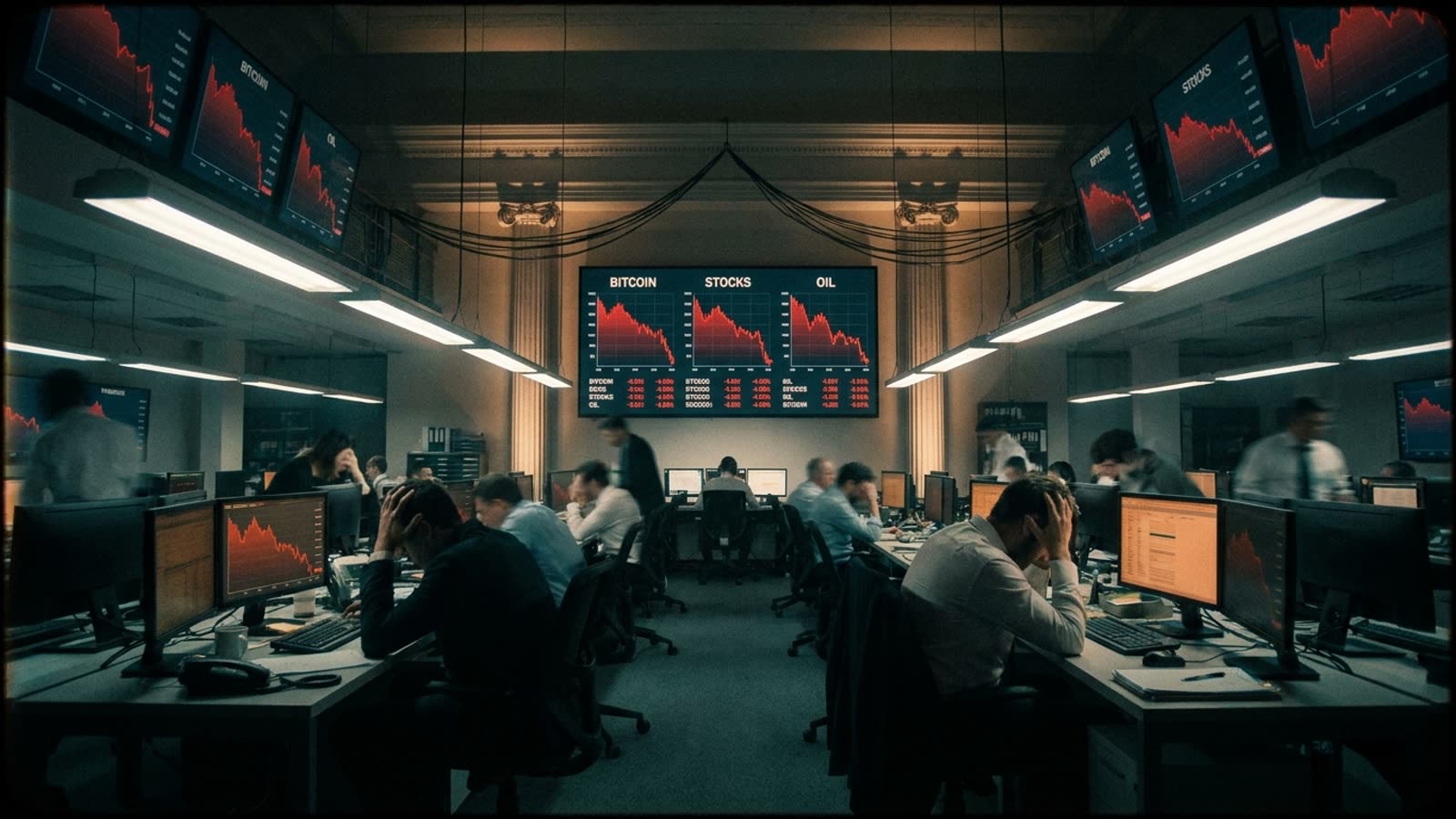
Bond markets are paying attention. The five-year breakeven rate has widened notably since April, suggesting traders share consumers' concerns. If Treasury yields continue climbing on inflation fears rather than growth optimism, the Fed loses its ability to ease into any slowdown—the dreaded stagflation setup.
Our take
The Fed's credibility is a wasting asset that compounds in value when preserved and collapses nonlinearly when spent. Powell's team has been admirably patient, but patience looks different when expectations are drifting than when they're stable. The next six months of survey data matter more than the next six CPI prints. If the anchor keeps slipping, the Fed will eventually have to choose between its inflation mandate and its implicit full-employment mandate. History suggests that choice, once forced, is never gentle.