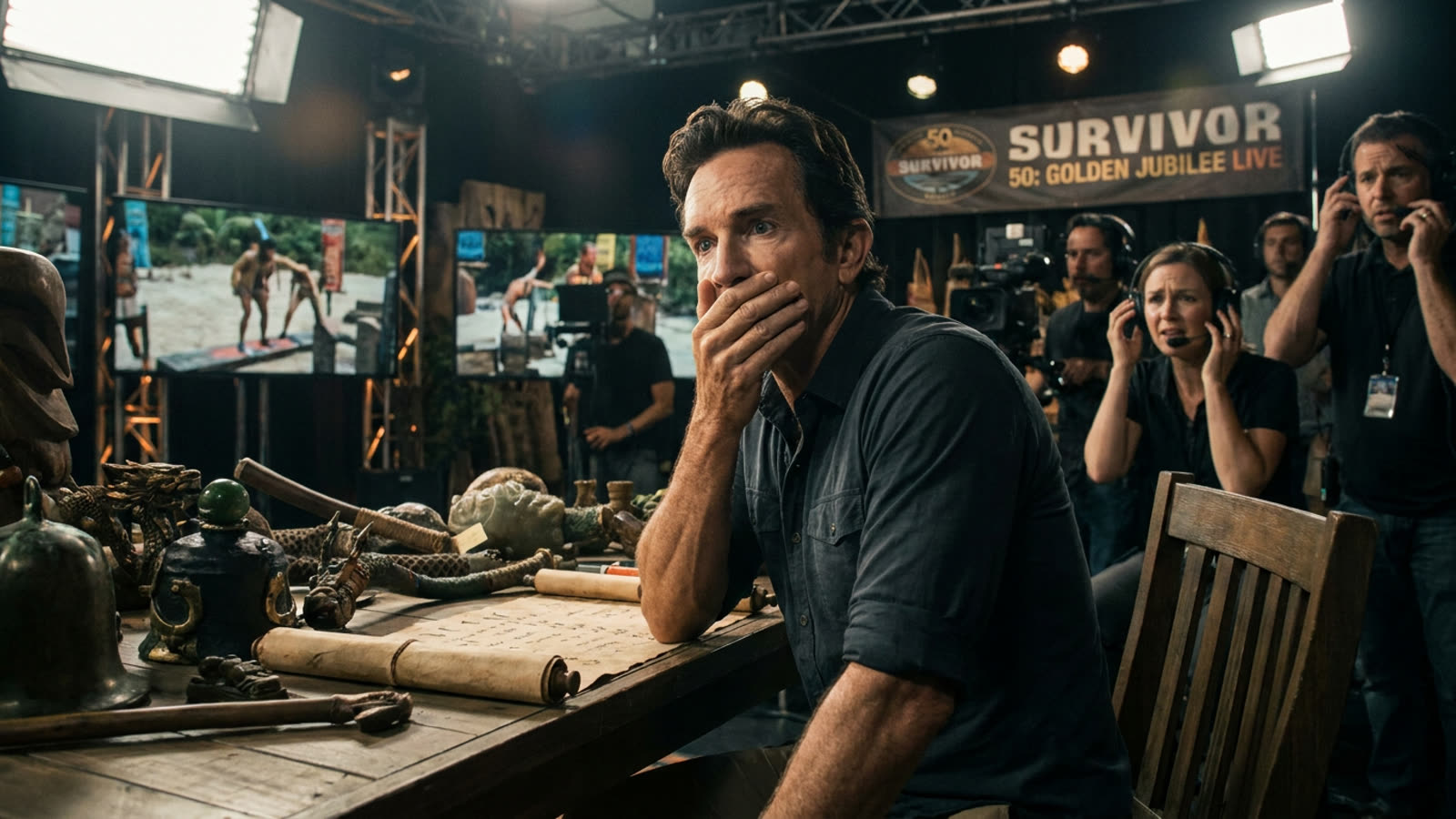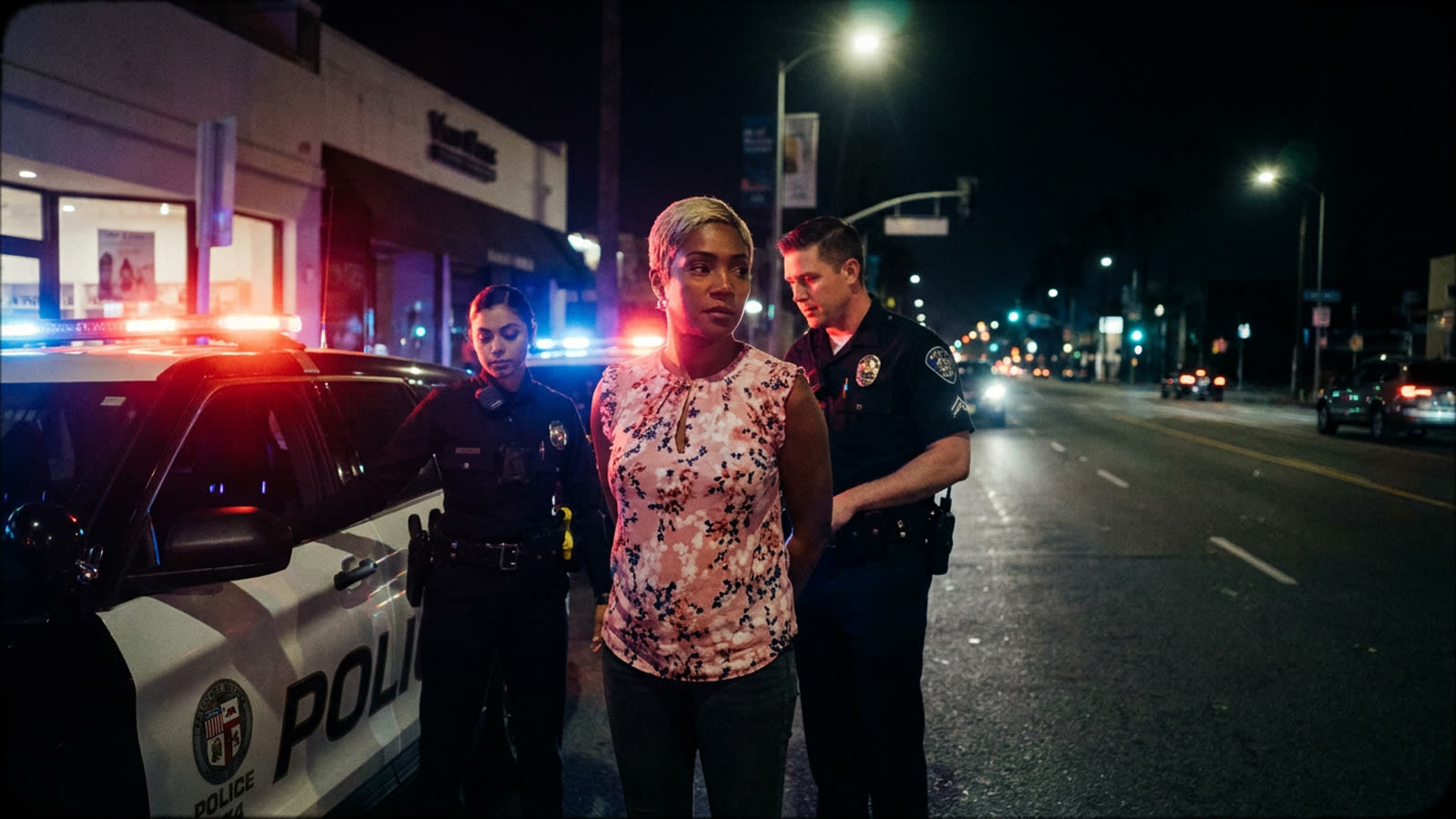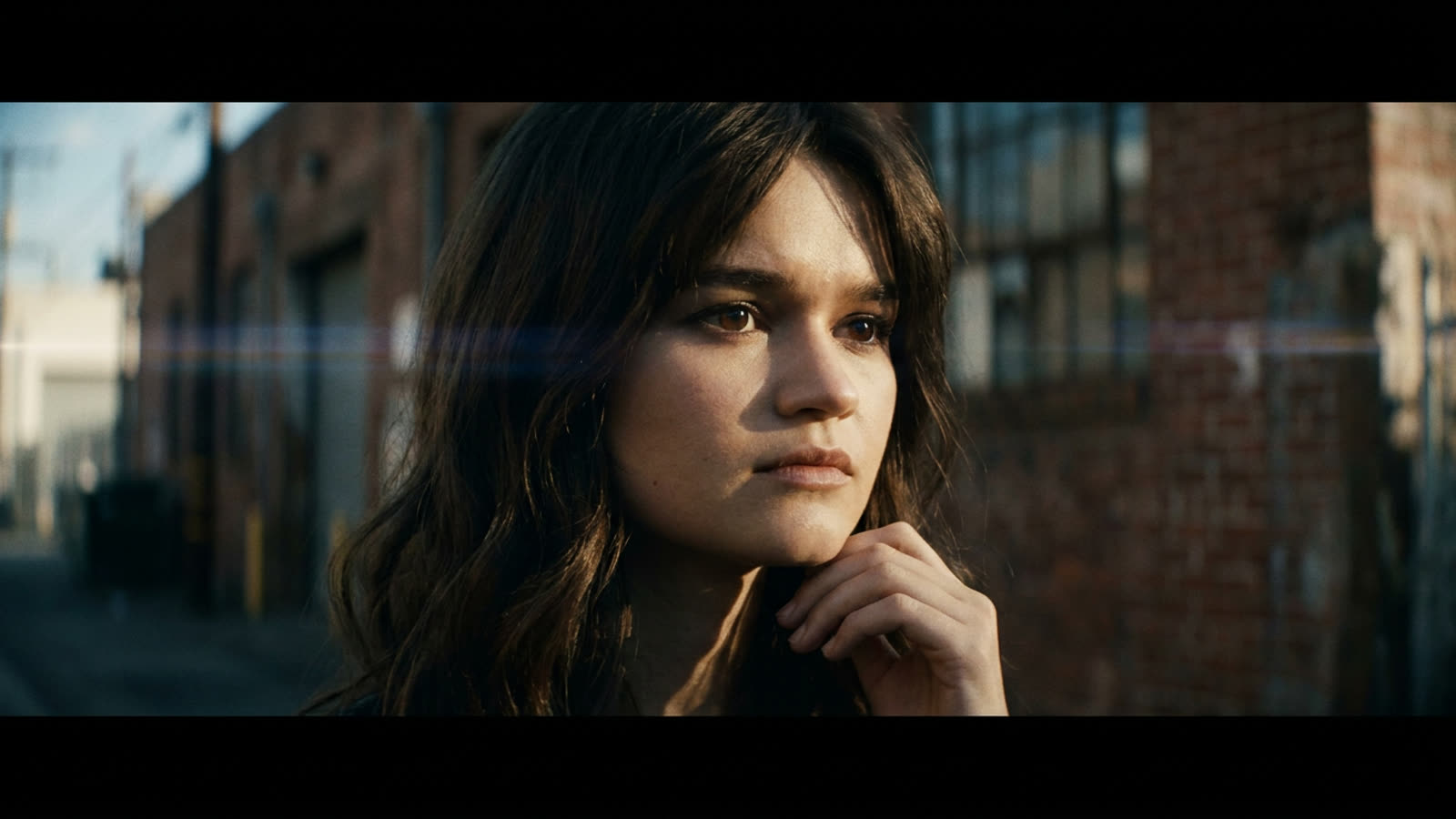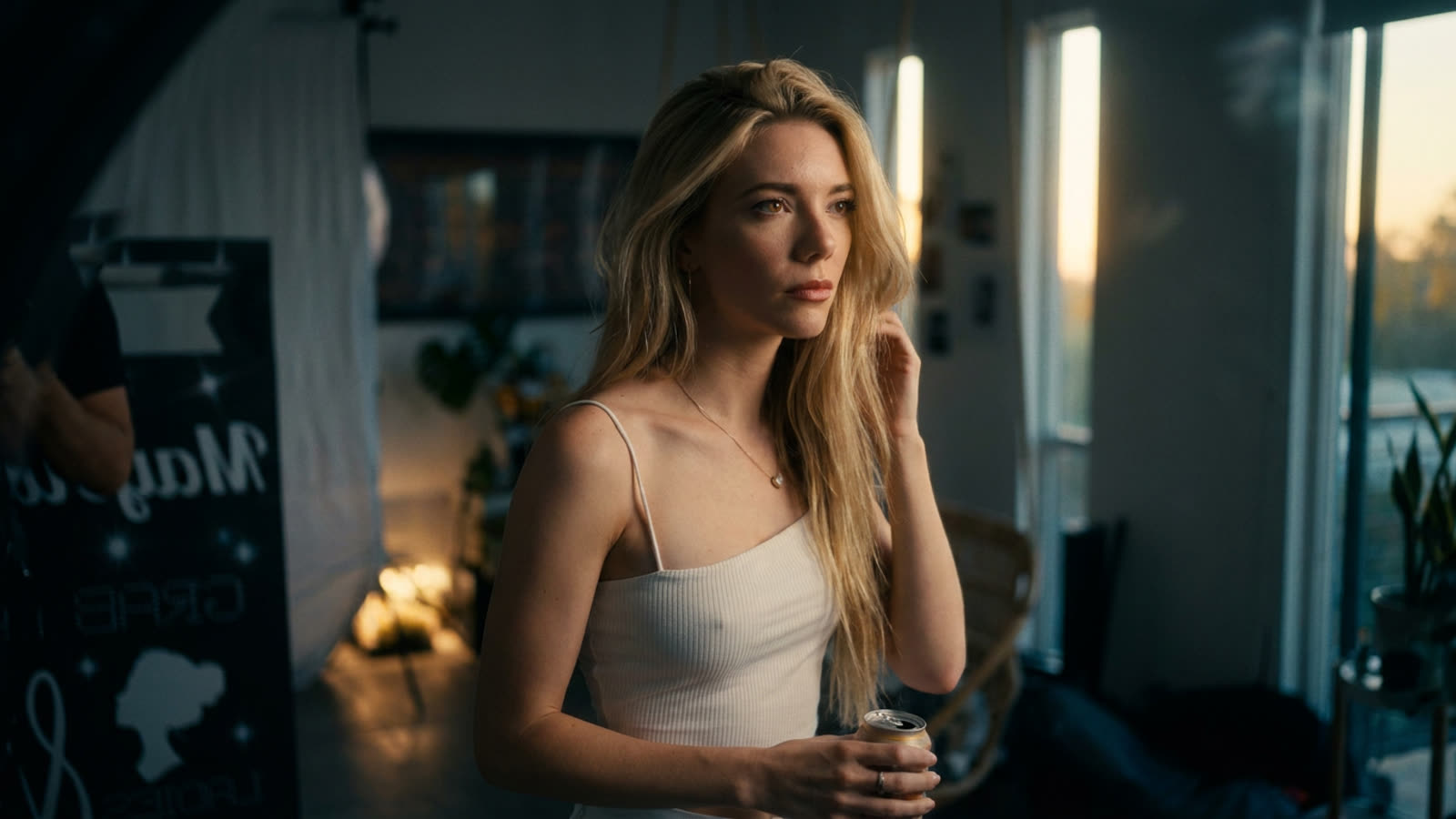
The thirty-second spot is dead, and fashion knows it. Across the industry, from heritage maisons to direct-to-consumer upstarts, marketing departments are quietly transforming into something that looks less like a creative agency and more like a mini Netflix—complete with writers' rooms, episode arcs, and the kind of chaotic humor that once belonged exclusively to internet-native creators.
The shift isn't subtle. Brands that once released two pristine campaign films per year are now churning out serialized "micro-dramas": bite-sized narrative content designed to hook viewers across multiple installments, each calibrated to the fidgety rhythms of TikTok and Instagram Reels. The goal isn't just engagement—it's appointment viewing for an audience that has largely abandoned appointments.
The economics of attention
The math is brutal. Organic reach on social platforms has collapsed by some estimates to under two percent for brand accounts. Paid media costs have surged. And the traditional fashion campaign—glossy, aspirational, silent—now competes for eyeballs against cooking videos, political rants, and whatever unhinged thing a creator filmed in their bathroom at 2 a.m. The response from marketing teams has been to stop fighting the chaos and start manufacturing it.
What this means in practice: brands are hiring comedy writers, partnering with micro-influencers who specialize in absurdist storytelling, and building out in-house production capabilities that would have seemed absurd five years ago. One European house reportedly employs a full-time "narrative director" whose job is to ensure continuity across a fictional universe that exists entirely in fifteen-second clips.
The authenticity paradox
The irony is thick. Fashion's new strategy for cutting through the noise is to produce content that looks nothing like fashion content. The aesthetic is deliberately rough, the humor self-deprecating, the fourth wall nonexistent. Logos appear almost incidentally. The product is secondary to the bit.
This creates a genuine tension. Luxury has always sold aspiration, distance, an idealized world just out of reach. Micro-dramas sell relatability, mess, the feeling that the brand is in on the joke. Whether these two propositions can coexist long-term—whether a house can be both Olympian and TikTok-brained—remains an open question. For now, the bet is that younger consumers will tolerate the contradiction, or simply not notice it.
The talent pipeline
Perhaps the most significant consequence is what this does to creative careers. A generation of filmmakers, writers, and performers who might once have aimed for Sundance are now finding steady work crafting five-part sagas about a handbag's journey through a fictional office. The money is real, the creative latitude surprisingly broad, and the audience—millions of views within hours—dwarfs what most independent films ever achieve.
This is not without its critics. Some argue that fashion's colonization of short-form entertainment dilutes both industries, turning genuine storytelling into glorified product placement while reducing brand identity to whatever performs best this week. Others counter that the distinction was always artificial—that fashion has been in the entertainment business since the first runway show.
Our take
The micro-drama pivot is less a revolution than an admission: fashion brands have lost control of the cultural conversation and are now paying rent to participate in it. The strategy will work until it doesn't—until audiences grow tired of the bit, or until the platforms change their algorithms again, or until some new format emerges that makes serialized content look as dated as the thirty-second spot. In the meantime, expect your feed to fill with increasingly unhinged scenarios involving very expensive clothes. The algorithm demands chaos, and fashion has learned to comply.