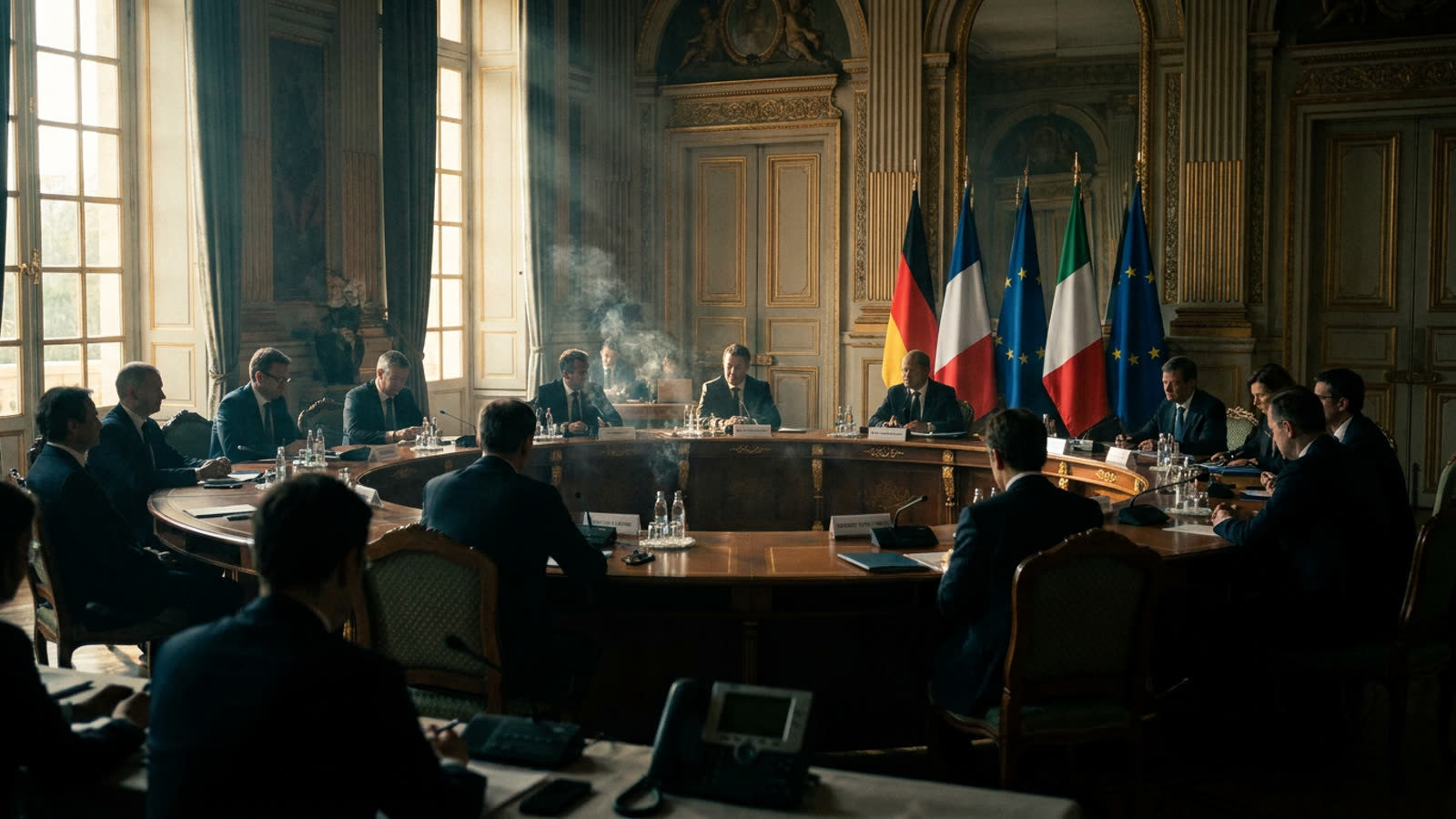
The transatlantic security architecture that held for eight decades rested on a simple premise: when it came to Russia, Europe followed America's lead. That premise is now being quietly dismantled in foreign ministries from Berlin to Paris.
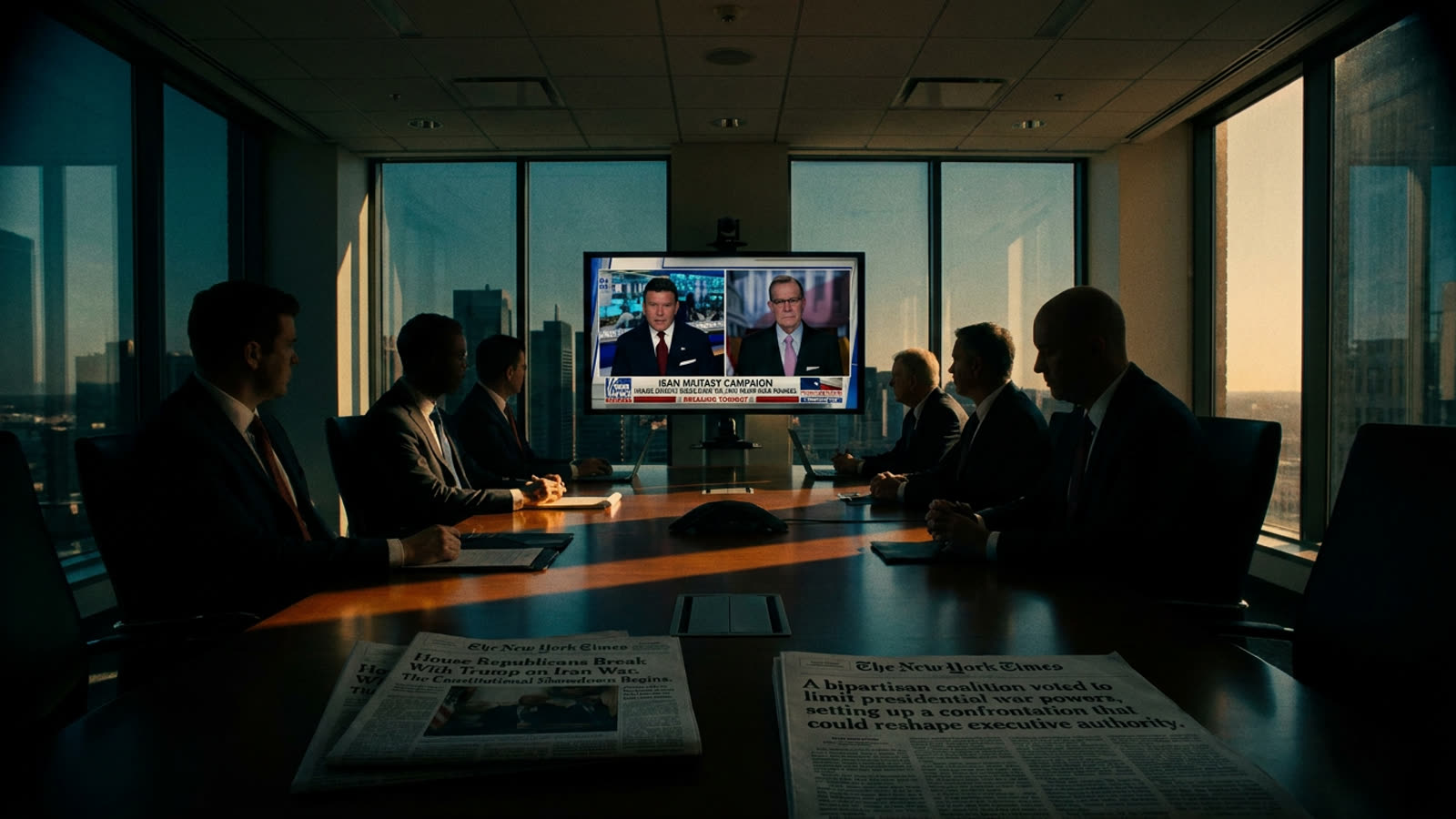
European allies are developing their own plan to engage Vladimir Putin directly on Ukraine, according to diplomatic sources, a move that reflects both exhaustion with Washington's distraction and a dawning recognition that the continent must secure its own eastern flank. The timing is no accident. With the United States mired in an increasingly unpopular conflict with Iran—one that prompted a bipartisan House rebuke of President Trump just this week—European capitals sense that American bandwidth for Ukrainian diplomacy has effectively collapsed.
The strategic vacuum
The initiative reportedly involves a framework for direct talks with Moscow that would not require American participation at the table, though European officials insist they would keep Washington informed. France and Germany are said to be leading the effort, with Poland—historically the most hawkish on Russia—offering cautious support provided any agreement includes ironclad security guarantees for Kyiv.
This represents a remarkable evolution. As recently as 2024, the notion that Europe would pursue independent negotiations with the Kremlin while American troops remained deployed in the region would have been dismissed as fantasy. But the Iran war has consumed Trump administration attention and resources, and European leaders have watched with mounting alarm as Ukraine policy drifted into bureaucratic limbo.
What Europe wants
The emerging European position appears to prioritize a durable ceasefire over territorial maximalism—a pragmatic stance that acknowledges the military stalemate while seeking to freeze the conflict before further Ukrainian losses. Sources suggest the framework would include some form of European security commitment to Ukraine, potentially involving troop deployments or binding defense treaties, as a substitute for the NATO membership that remains politically impossible.
Critics will argue this amounts to rewarding Russian aggression. Proponents counter that waiting for American leadership that may never come serves no one, least of all the Ukrainians dying in a war of attrition.
Our take
This is what the end of American hegemony looks like in practice—not a dramatic rupture but a quiet reallocation of responsibility. Europe is not abandoning the alliance; it is acknowledging that the alliance's senior partner has other priorities. Whether European diplomacy can succeed where American-led efforts stalled remains deeply uncertain. But the willingness to try, independently, marks a genuine inflection point. The post-Cold War order assumed Europe would never need to handle Russia alone. That assumption has now been tested, and found wanting.