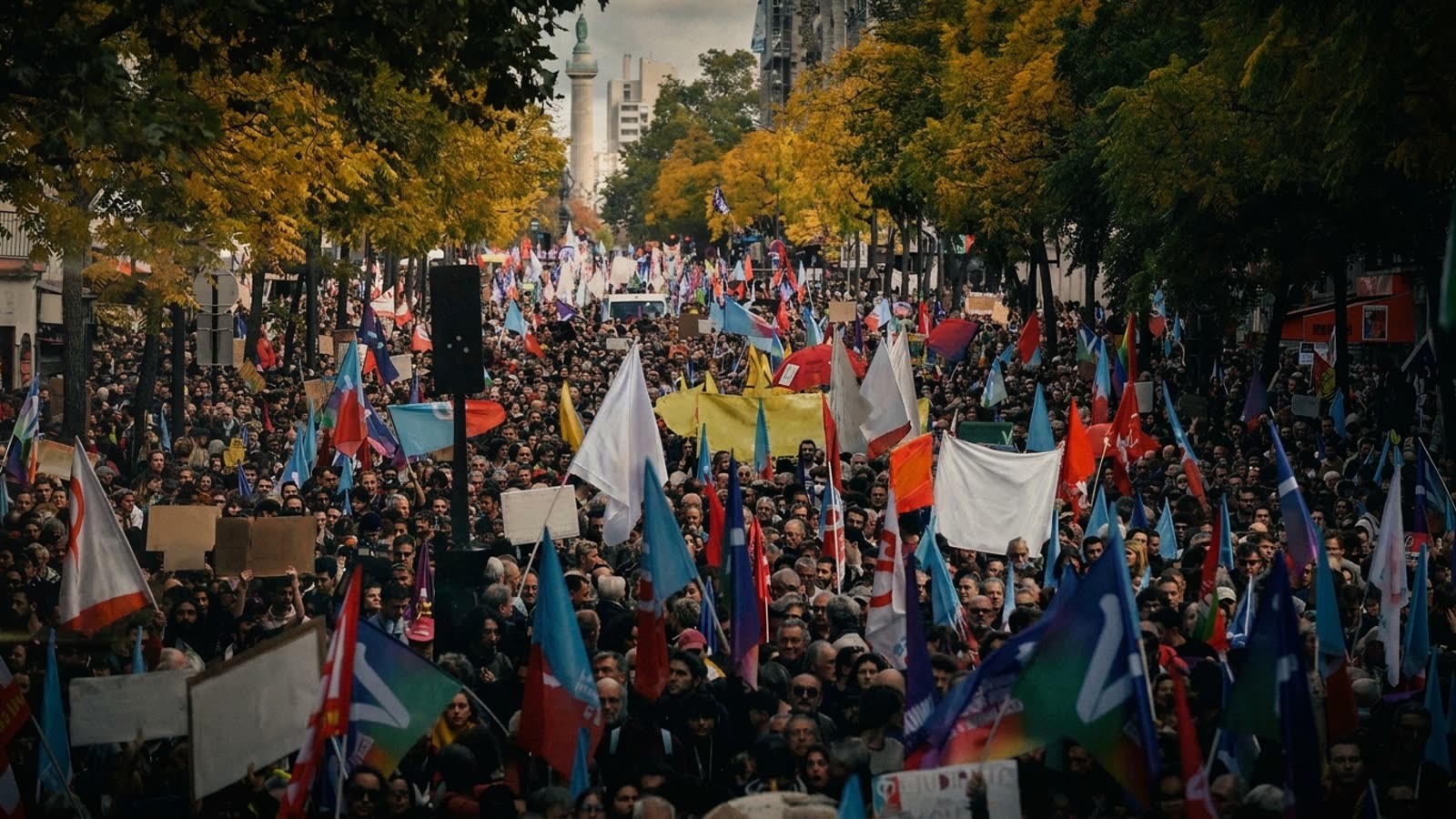
The geography of European discontent has expanded faster than any government anticipated. In the span of ten days, violent protests over housing costs and living standards have spread from France to Spain, and now to Portugal and Italy—a cascade that suggests the continent's post-pandemic economic settlement is coming undone.
In Lisbon, hundreds of demonstrators have established a tent encampment demanding emergency housing measures. In Milan, what Italian Prime Minister Giorgia Meloni dismisses as "hooligans" clashed with police in scenes reminiscent of the Yellow Vest unrest that paralyzed France in 2018-2019. The common thread is unmistakable: a generation locked out of property ownership, wages that have failed to keep pace with inflation, and governments that appear more interested in fiscal consolidation than material relief.
The arithmetic of unaffordability
The numbers tell a story that transcends national borders. Across the eurozone, housing costs have risen roughly 40% since 2019, while median wages have grown barely half that. Energy prices, despite retreating from their 2022 peaks, remain structurally elevated. The European Central Bank's aggressive rate-hiking cycle—necessary to tame inflation—has simultaneously made mortgages unattainable for first-time buyers. Young Europeans increasingly describe themselves as "generation rent," though even rental markets have become predatory.
France's situation is particularly acute. The government's struggle to contain attacks on stores and official buildings reflects a deeper legitimacy crisis. President Macron's pension reforms, forced through without parliamentary majority, remain a festering wound. The current unrest layers housing grievances atop that unresolved anger.
Political fragility across capitals
What makes this moment dangerous for European leaders is the simultaneity. Spain's government faces municipal elections next spring with approval ratings in free fall. Italy's Meloni, who campaigned on economic nationalism, has delivered austerity dressed in populist rhetoric. Portugal's center-left administration, once praised for fiscal discipline, now confronts citizens who see that discipline as the source of their suffering.
The EU's fiscal rules, recently reformed but still constraining, leave governments with limited room to maneuver. Large-scale housing construction programs or energy subsidies would require either deficit spending that Brussels frowns upon or tax increases that would further inflame public anger. The political class is caught between institutional constraints and street-level fury.
Our take
Europe's leaders have spent the post-2008 era asking citizens to accept diminished expectations in exchange for stability. That bargain held through the pandemic, barely. It is now visibly failing. The protests spreading across the continent are not random eruptions but the predictable consequence of policies that prioritized creditor confidence over citizen welfare. Until governments demonstrate they can deliver tangible improvements in housing access and real wages, the unrest will continue—and likely intensify. The question is no longer whether Europe faces a cost-of-living crisis, but whether its political institutions can survive one.