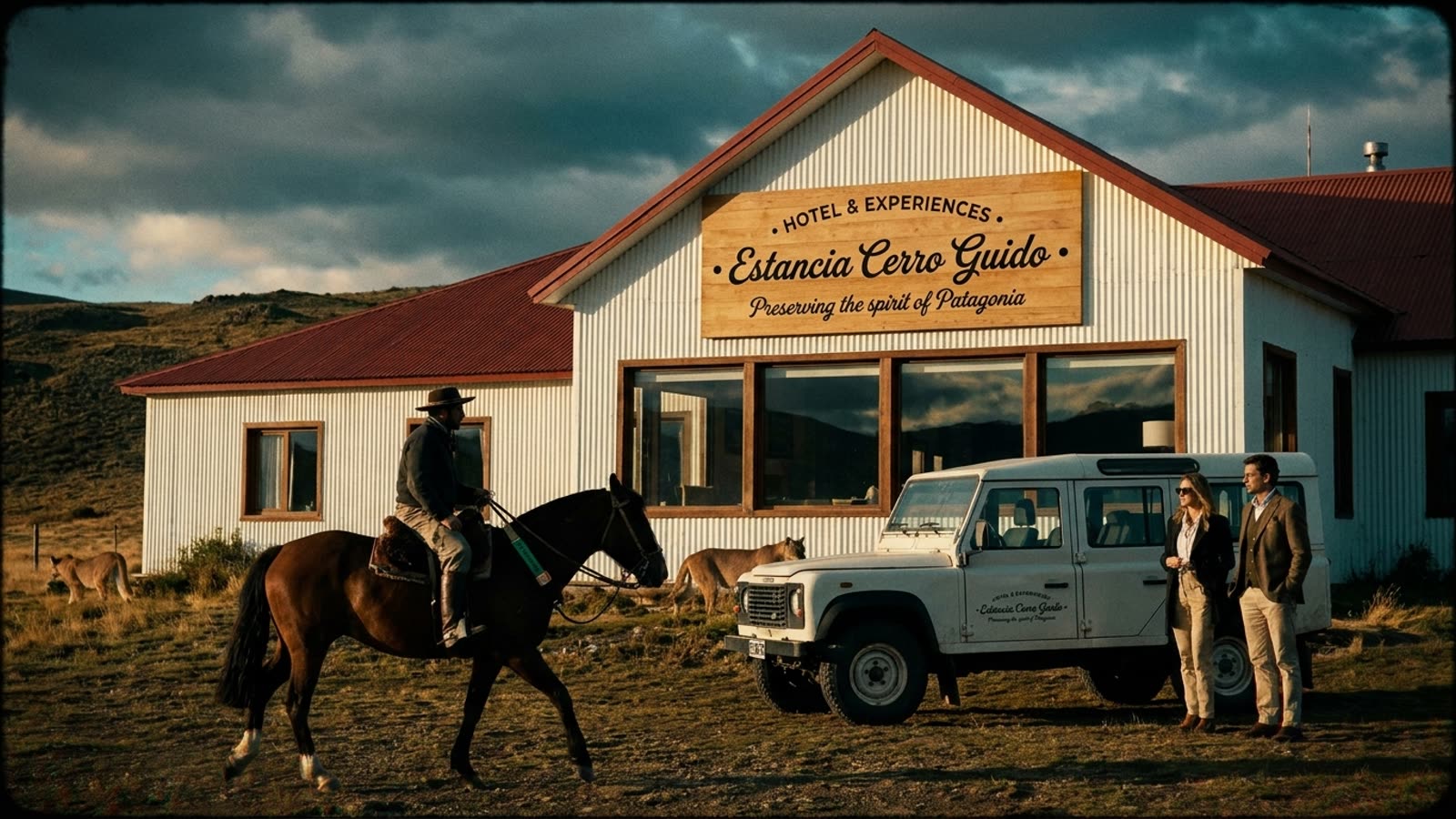
The arithmetic of predator conservation has always been brutal: a rancher loses a lamb, a puma loses its life. For generations, Estancia Cerro Guido operated by this calculus, paying bounties to gauchos who eliminated the big cats stalking the property's 250,000 acres on the Chilean side of Torres del Paine. Then, sometime around the mid-2010s, the estancia's owners performed the kind of moral pivot that only makes sense when the economics shift underneath you: they stopped killing pumas and started selling access to them.
The transformation has been quietly remarkable. Where the ranch once employed hunters, it now retains wildlife trackers. Where dead cats once meant bonus pay, live sightings now command premium rates from guests willing to spend serious money for the privilege of watching apex predators do what apex predators do. The puma population has rebounded; the estancia's reputation has soared; and a new category of traveler—call them the conservation-curious one percent—has discovered that guilt-free luxury tastes better than the regular kind.
The economics of letting things live
The business model is elegantly cynical. A working sheep ranch in Patagonia might clear modest margins selling wool and meat to commodity markets. But a working sheep ranch that also offers multi-night stays in architect-designed lodges, guided puma tracking at dawn, and dinners featuring lamb from the same flocks the pumas occasionally thin? That commands rates that would make a Mayfair hotelier blush. The estancia has effectively monetized restraint, turning the decision not to kill into a luxury amenity.
This is not philanthropy dressed as hospitality. The pumas remain a genuine threat to livestock—the ranch still loses animals—but the math now favors tolerance. A single high-paying guest's nightly rate can exceed the value of several lambs, and the reputational dividend of being "the place where the pumas came back" compounds annually in travel-magazine coverage and word-of-mouth among the Patagonia circuit's regulars.
Wilderness as controlled experience
The genius of Cerro Guido lies in its refusal to choose between authenticity and comfort. Guests wake before dawn to track cats through scrubland, guided by former sheep herders who now carry cameras instead of rifles. They return to hot showers, wine cellars stocked with Carménère, and meals that blur the line between ranch cooking and fine dining. The wilderness is real—the wind genuinely howls, the pumas genuinely hunt—but the experience is meticulously managed.
This is the template that high-end conservation tourism has been refining for decades, from Botswana's Okavango lodges to Rwanda's gorilla permits. What makes the Patagonian version notable is its proximity to land that still functions as a working agricultural operation. The sheep are not props; the gauchos are not actors. The tension between production and preservation is not resolved so much as profitably suspended.
Our take
There is something faintly absurd about a business model that requires wealthy foreigners to fly to the bottom of the world so that local cats can be allowed to exist. But absurdity is not the same as failure. Estancia Cerro Guido has stumbled onto a durable truth: conservation without economic incentive is just sentiment, and sentiment rarely survives contact with a rancher's balance sheet. If the price of puma survival is a four-figure nightly rate and a wine list, the pumas will take the deal. So, apparently, will the guests.