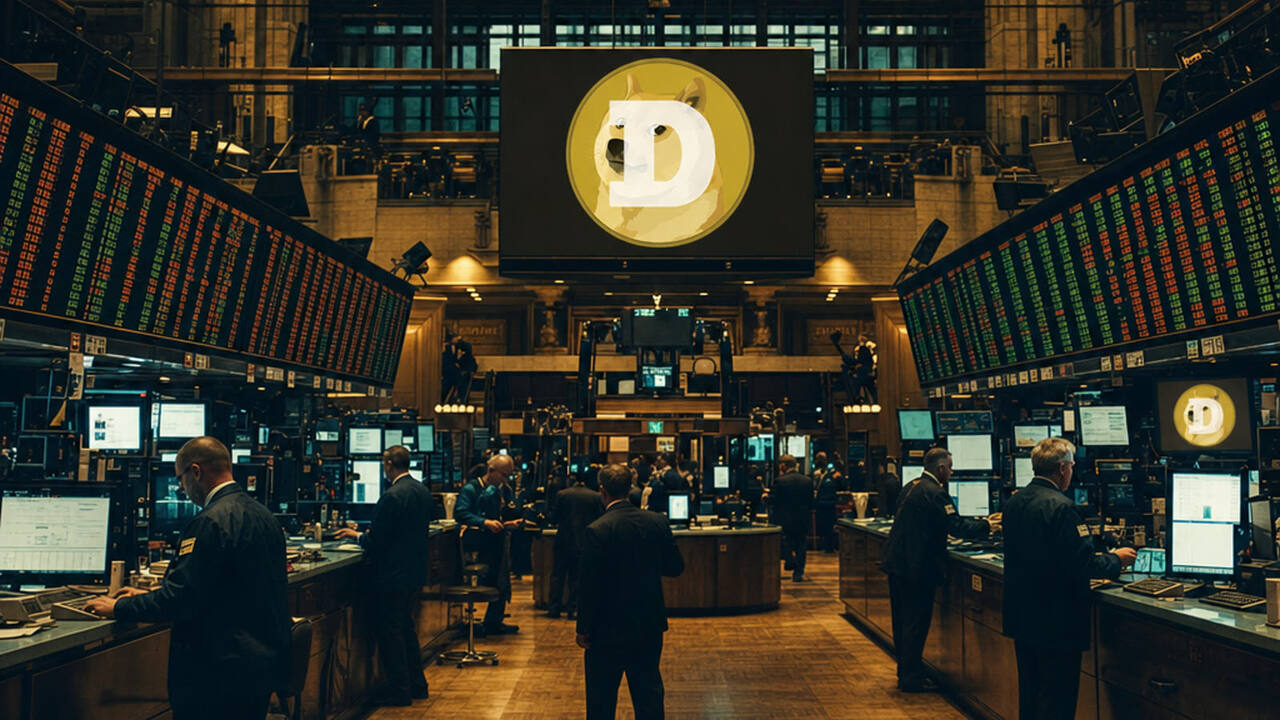
The coin that launched a thousand imitators is quietly fading into irrelevance. Dogecoin dropped another 5% in the past 24 hours, pushing it below nine cents and extending its brutal year-long decline to 65%. For a token that once commanded a market capitalization north of $80 billion, the current $13 billion valuation feels less like a correction and more like a verdict.
The meme coin thesis was always simple: community enthusiasm plus celebrity endorsement equals price appreciation. For a glorious stretch in 2021, it worked. Elon Musk tweeted, retail traders piled in, and DOGE briefly became the fourth-largest cryptocurrency by market cap. The joke had become serious money.
The Musk factor has faded
Musk's attention has wandered. His social media presence now centers on his government efficiency role, artificial intelligence ventures, and the occasional political provocation. The days of cryptic Shiba Inu memes moving billions in market value feel distant. Without its celebrity patron actively pumping the token, Dogecoin must compete on fundamentals—a contest it was never designed to win.
The technical reality is unforgiving. Dogecoin processes roughly 30 transactions per second, charges minimal fees, and has no smart contract capability worth mentioning. Its inflation schedule adds about 5 billion new coins annually, a perpetual dilution that would horrify any traditional investor. The network exists, it functions, but it offers nothing that dozens of other chains don't provide with better performance.
Meme coins have moved on without it
The broader meme coin category hasn't collapsed—it has simply evolved past Dogecoin. Newer entrants on Solana and Base launch daily, offering fresher narratives and lower market caps that appeal to speculators seeking asymmetric returns. Why buy a meme coin that already had its parabolic moment when you can gamble on one that hasn't?
Dogecoin's community remains loyal, but loyalty doesn't generate price appreciation. The subreddit still posts, the Twitter accounts still meme, yet the buying pressure that once accompanied this enthusiasm has evaporated. Diamond hands, it turns out, can hold an asset all the way to zero.
Our take
Dogecoin was always an experiment in whether pure vibes could sustain a financial asset. The answer, seven years in, appears to be: temporarily. The token will likely survive in some form—too many people hold it, too much infrastructure supports it—but the dream of DOGE reaching a dollar looks increasingly like what it always was: a joke that some people took too seriously.