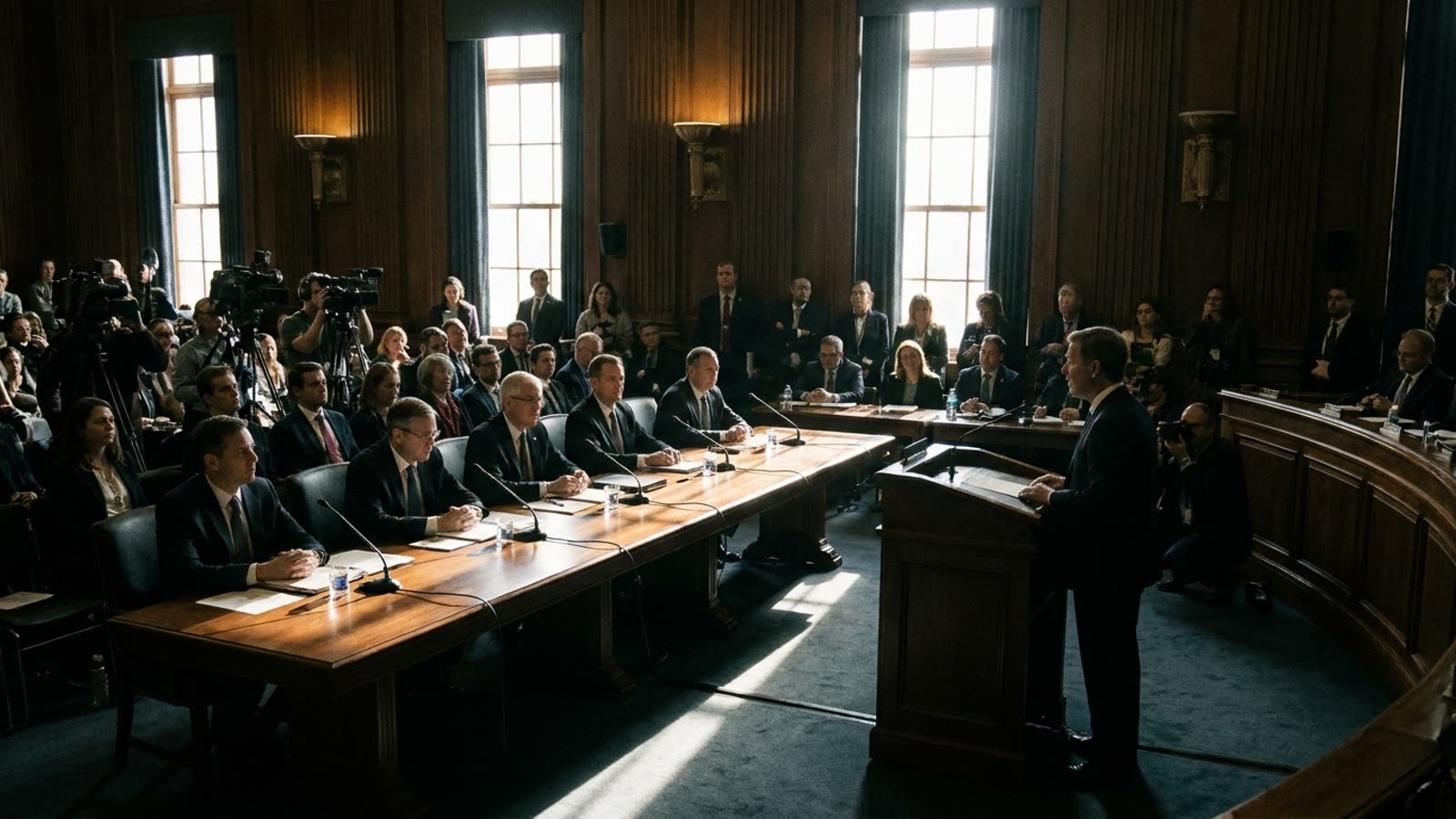
The artificial-intelligence trade that dominated markets for three years hit turbulence overnight as Democratic victories in Tuesday's midterm elections raised fresh doubts about the pace of infrastructure expansion essential to the sector's growth thesis.
Asian chipmakers led the retreat. Shares in Taiwan Semiconductor Manufacturing Company and SK Hynix slipped in early Wednesday trading, while U.S. equity futures pointed to a weaker open for the Nasdaq. The proximate cause is straightforward: investors had bet that a Republican-controlled Congress would fast-track permitting reform, ease environmental reviews for new power plants, and keep corporate tax rates low. That wager now looks shakier.
The infrastructure bottleneck
AI's insatiable appetite for electricity has made data-center siting the industry's binding constraint. Hyperscalers and chipmakers have spent the past two years lobbying for streamlined approvals to build gas-fired and nuclear plants capable of feeding the hundreds of megawatts a single training cluster can consume. Democratic lawmakers, particularly those aligned with climate-focused caucuses, have historically been more skeptical of fossil-fuel expansion and more insistent on environmental review.
With the Senate now tilting toward the Democratic column and the House margin narrowing, the legislative math for a permitting overhaul has grown considerably harder. Traders are not predicting a halt to AI investment—capital expenditure guidance from Microsoft, Google, and Amazon remains robust—but they are marking down the probability that supply can keep pace with demand in the near term.
Valuations meet political risk
The selloff also reflects a market that had priced in near-perfection. Nvidia's forward price-to-earnings ratio remains elevated despite a recent pullback, and data-center REITs have traded at premiums not seen since the pandemic-era cloud boom. Any friction—regulatory, fiscal, or logistical—was always going to hit these names harder than the broader index.
There is a secondary concern: corporate taxes. Democratic leadership has signaled interest in revisiting the 2017 tax cuts, and technology companies with high domestic profit margins would be among the most exposed. While comprehensive tax reform is unlikely before 2028, the mere prospect of higher rates compresses present-value calculations for growth stocks.
Our take
Markets are doing what markets do: repricing uncertainty. The AI buildout is not over; it is simply entering a phase where political economy matters as much as chip architecture. For investors who bought the thesis that Moore's Law would be accompanied by a permitting miracle, Wednesday's tape is a reminder that democracies move slower than training runs. The long-term demand signal for compute remains intact, but the path to supply just got a bit more winding—and a bit more expensive.