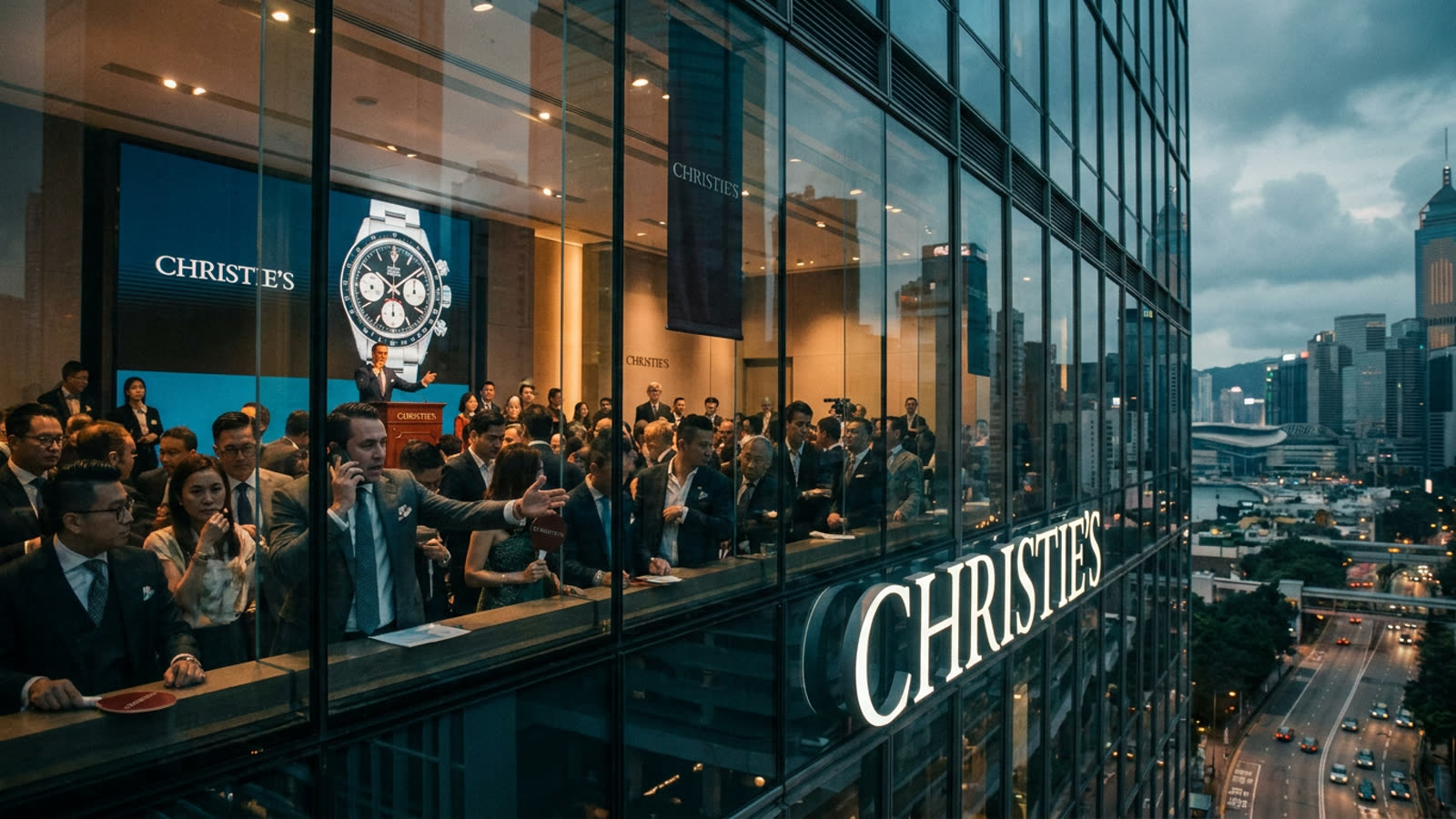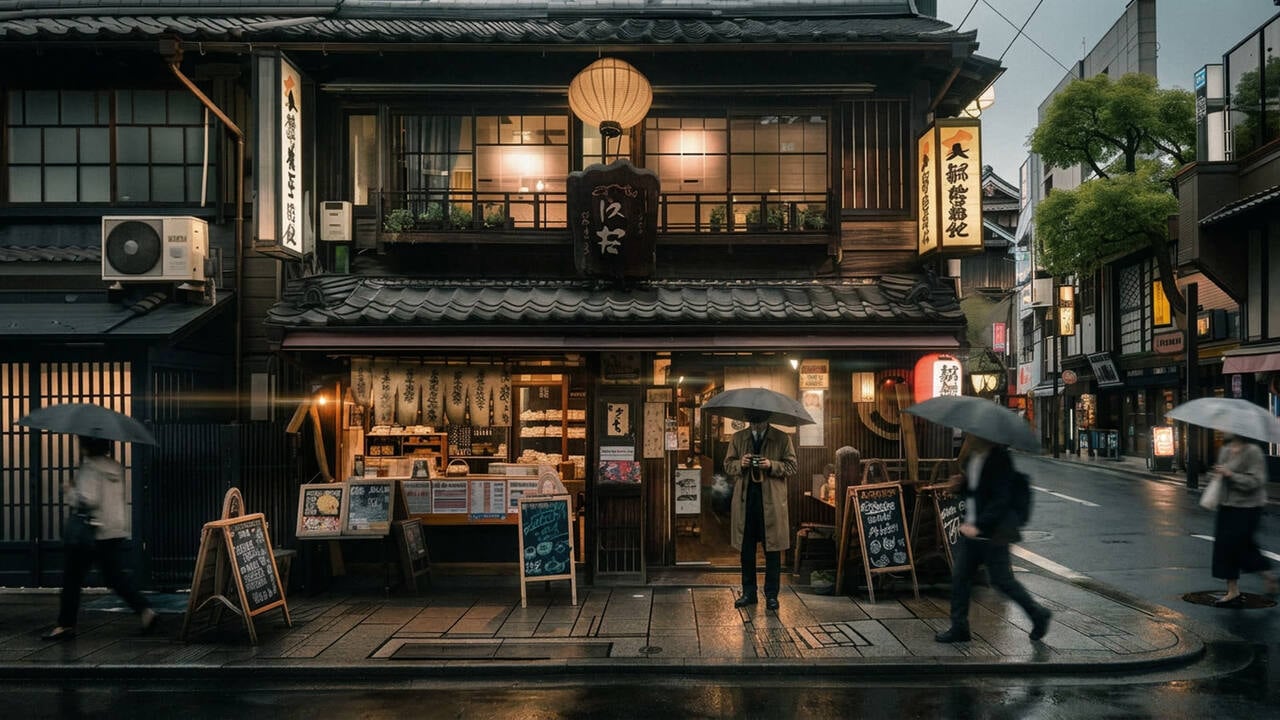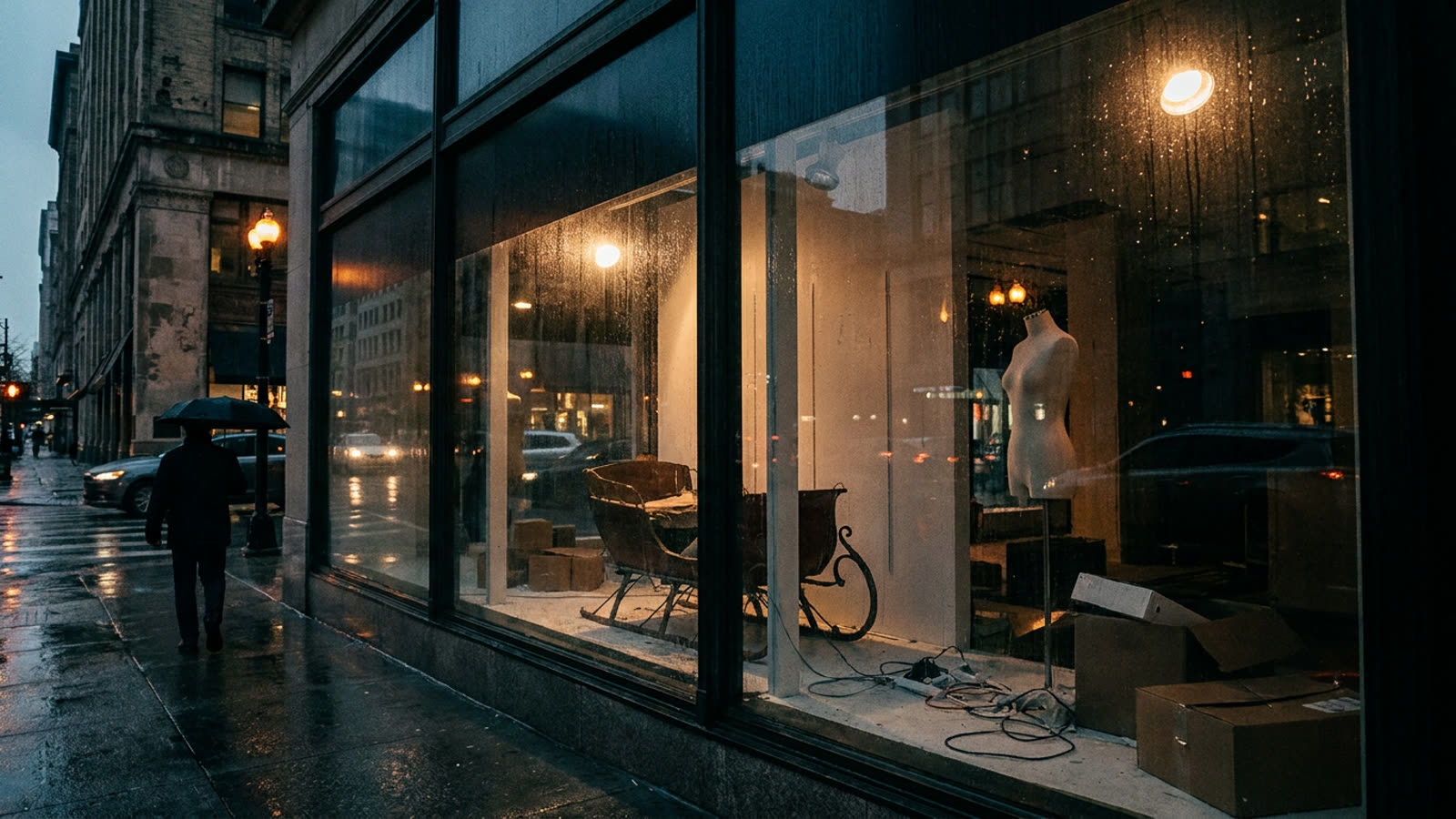
The great department store window was never really about selling merchandise. It was about teaching a city how to want.
For more than a century, the illuminated vitrines of Fifth Avenue, Oxford Street, and the Champs-Élysées functioned as public theater, art installation, and social calendar rolled into one. Families planned outings around the unveiling of Christmas windows. Fashion students sketched mannequin poses. Tourists photographed scenes they could not afford to enter. The window display democratized aspiration—you did not need money to stand on the sidewalk and dream.
Now, as flagship stores shutter or shrink, as retail square footage contracts and visual merchandising budgets evaporate, the form is quietly disappearing. What remains is often a backlit photograph or a QR code directing passersby to an app. The loss is more significant than nostalgia suggests.
The discipline that invented modern visual culture
Window dressing emerged in the late nineteenth century as gas lighting, then electricity, transformed storefronts into stages visible after dark. The pioneers—figures like L. Frank Baum, who wrote display manuals before he wrote The Wizard of Oz—understood they were creating a new grammar of desire. They borrowed from theater, from world's fairs, from the emerging language of advertising.
By the mid-twentieth century, the discipline had produced genuine artists. Gene Moore, who dressed Tiffany's windows for nearly four decades, commissioned early work from Jasper Johns and Robert Rauschenberg. Simon Doonan turned Barneys into a venue for social satire. The windows of Selfridges and Galeries Lafayette became destinations in themselves, reviewed by critics and remembered decades later.
The craft required a peculiar combination of skills: sculptural thinking, theatrical timing, commercial pragmatism, and the ability to tell a story in a rectangle visible for perhaps eight seconds to a pedestrian walking past.
Why the form cannot survive its economics
A major holiday window installation at a flagship store once cost several hundred thousand dollars and required months of planning. The expense was justified when the store itself was the brand's primary interface with the public—when there was no Instagram, no e-commerce, no influencer campaign competing for the same budget.
Today, the calculus has inverted. A brand can reach millions through a single social media post for a fraction of the cost. The pedestrian traffic that once justified window investments has declined as shopping migrates online and as remote work empties downtown sidewalks. Department stores themselves are closing or converting to mixed-use developments. The survivors increasingly lease their ground floors to luxury tenants who prefer minimalist facades—a single handbag on a plinth, a logo, silence.
The window display was always an inefficient medium by modern marketing standards. Its reach was limited to whoever happened to walk by. Its impact was unmeasurable. Its audience was everyone and no one in particular. These were also its virtues.
What cities lose when storefronts go dark
The theatrical window contributed something to urban life that its replacements do not: shared public spectacle that required no ticket, no membership, no algorithm. It gave cities a rhythm—the spring windows, the back-to-school windows, the extravagant December productions that made even cynics pause.
It also trained generations of artists, designers, and filmmakers. The surrealist Salvador Dalí designed windows for Bonwit Teller. Andy Warhol started in department store display. The discipline was a laboratory for visual experimentation with an audience of millions.
The blank storefronts and digital screens replacing these windows are not neutral. They represent a privatization of urban imagination—a retreat from the street into the curated feed, from the shared spectacle into the personalized ad.
Our take
The department store window was an improbable art form that existed because of a specific economic moment: when physical retail was dominant, when cities were dense with pedestrians, when brands needed to speak to everyone at once. That moment has passed, and the form is passing with it. We will not get it back. But we might at least recognize what we are losing—not just a marketing channel, but a kind of public generosity, a willingness to make beauty for strangers who would never buy anything, who were just walking home.