For nearly three decades, the families of the four men killed when Cuban MiG fighters shot down two civilian Cessnas over international waters believed their loved ones' killer remained beyond American justice, protected by the Castro regime. They were half right.
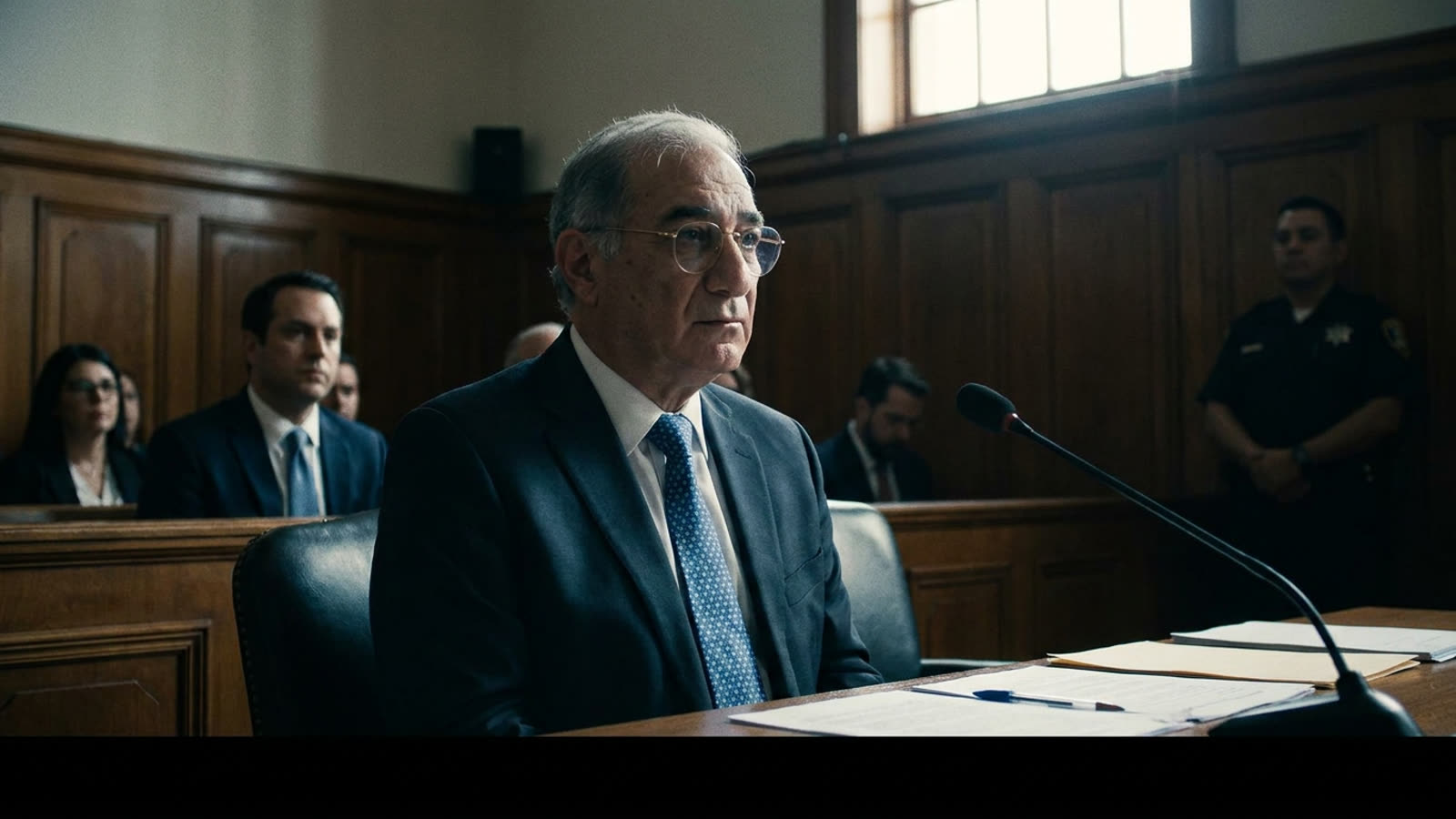
Lorenzo Alberto Pérez Pérez, the Cuban Air Force pilot who pulled the trigger on February 24, 1996, did eventually defect—but not to face accountability. According to a federal indictment unsealed this week, Pérez lived for years in the Miami area, the same community that mourned his victims, before authorities finally moved to charge him. The revelation has reopened wounds that Cuban-American families thought had scarred over, while raising uncomfortable questions about how a known war criminal slipped through the cracks of both immigration enforcement and international justice.
The 1996 shootdown and its long shadow
Brothers to the Rescue was a humanitarian organization founded by Bay of Pigs veteran José Basulto to spot and aid Cuban rafters fleeing the island. By 1996, the group had also begun dropping anti-Castro leaflets over Havana—provocations that infuriated the Cuban government. On that February afternoon, Cuban MiGs intercepted three of the group's Cessnas in international airspace. Two were destroyed; four men—Carlos Costa, Armando Alejandre Jr., Mario de la Peña, and Pablo Morales—were killed. Basulto's plane escaped.
The shootdown prompted international condemnation and contributed to the passage of the Helms-Burton Act, which tightened the U.S. embargo. Cuba maintained the planes had violated its airspace; radar evidence and international investigations concluded otherwise. The pilots who fired were celebrated as heroes in Havana.
How a killer became a neighbor
The indictment's most jarring detail is geographic: Pérez apparently resided in Miami-Dade County, home to the largest Cuban exile population in the United States and to the families of the men he killed. How he entered the country, when, and under what documentation remains unclear from public filings. Federal prosecutors have declined to elaborate on the timeline, citing the ongoing case.
For Cuban-American leaders, the revelation is both vindicating and infuriating. The possibility of prosecution offers a measure of justice long denied; the years of proximity suggest a failure of vetting that let a murderer walk among his victims' mourners. Immigration attorneys note that Cuban arrivals have historically received preferential treatment under policies like the now-defunct "wet foot, dry foot" rule, but that such policies were never intended to shelter those with blood on their hands.
Our take
Justice delayed is a cliché because it's usually true—and usually inadequate. The Pérez case is worse: justice not merely delayed but geographically mocked, with a killer living in the same county code as the widows and children of his victims. If the prosecution succeeds, it will matter. But the American immigration and intelligence apparatus owes the Brothers to the Rescue families an explanation for how this man became their neighbor. Some debts compound interest even when you finally pay them.