The phrase "engaged to be engaged" used to be a punchline. Now it's a lifestyle choice, and Courteney Cox has become its unlikely ambassador.
The 62-year-old actress and Johnny McDaid, 49, the Snow Patrol guitarist she began dating in 2013, are reportedly finalizing wedding plans after an engagement that has stretched across three presidential administrations, two global pandemics worth of discourse, and the entire run of multiple prestige TV series. They got engaged in 2014. They briefly called it off in 2015. They got back together. They stayed engaged. And stayed. And stayed.
The new math of commitment
A decade-long engagement would once have prompted concern from relatives and blind-item speculation about cold feet. Today it reads as almost admirably deliberate. Cox and McDaid maintained separate residences on different continents for years — she in Malibu, he in London — visiting when schedules allowed, building a relationship that prioritized autonomy over cohabitation. The pandemic, ironically, forced them together for an extended stretch, and by most accounts the relationship emerged stronger.
This is not the Hollywood coupling of old, where engagements were measured in months and divorces in tabloid covers. Cox, who was married to David Arquette for over a decade before their 2013 divorce, has been publicly uninterested in rushing toward another legal union. McDaid, never previously married, seemed content to wait.
Why the long game works for some
The extended engagement has become a quiet trend among celebrities of a certain age and financial independence. When neither partner needs the other's health insurance, tax benefits, or social legitimacy, marriage becomes purely symbolic — which means the symbol has to actually mean something. Cox and McDaid appear to have spent a decade making sure it does.
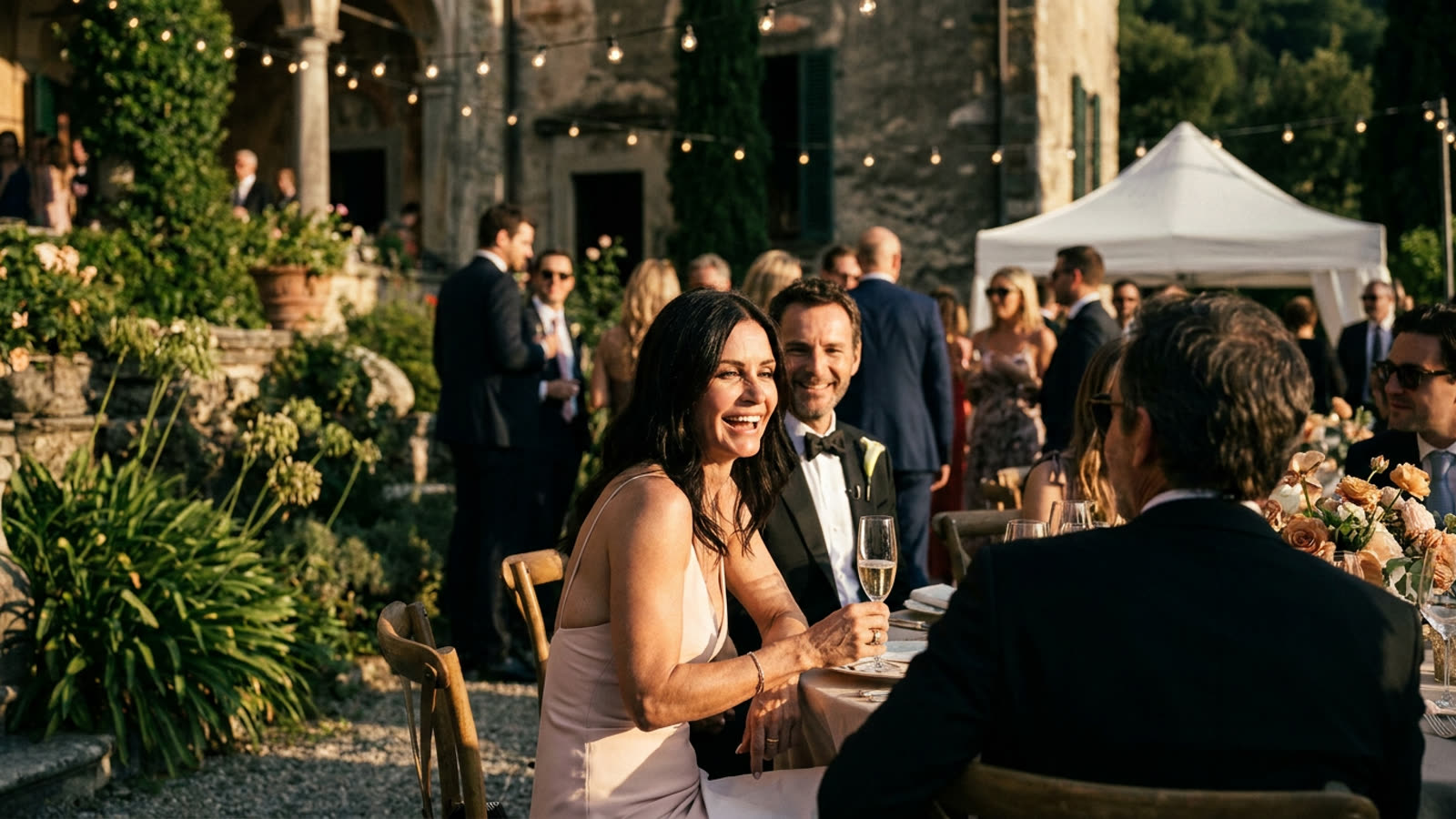
Friends of the couple have suggested the wedding, reportedly planned for later this year, will be small and private, a far cry from Cox's first wedding to Arquette in 1999, which featured a custom Vera Wang gown and the full celebrity industrial complex. The shift reflects not just personal growth but a broader cultural recalibration of what weddings are for.
Our take
There's something genuinely refreshing about a couple who treated engagement not as a holding pattern but as an actual state of being — a commitment that didn't require a ceremony to feel real. Cox and McDaid's decade of not-quite-married life suggests that the institution of marriage might matter most to those who've taken their time deciding whether they want it at all. In an era of three-month celebrity engagements and quickie Vegas weddings, their patience looks less like indecision and more like the only romantic gesture that still means anything: choosing someone slowly, deliberately, and without a publicist's timeline.