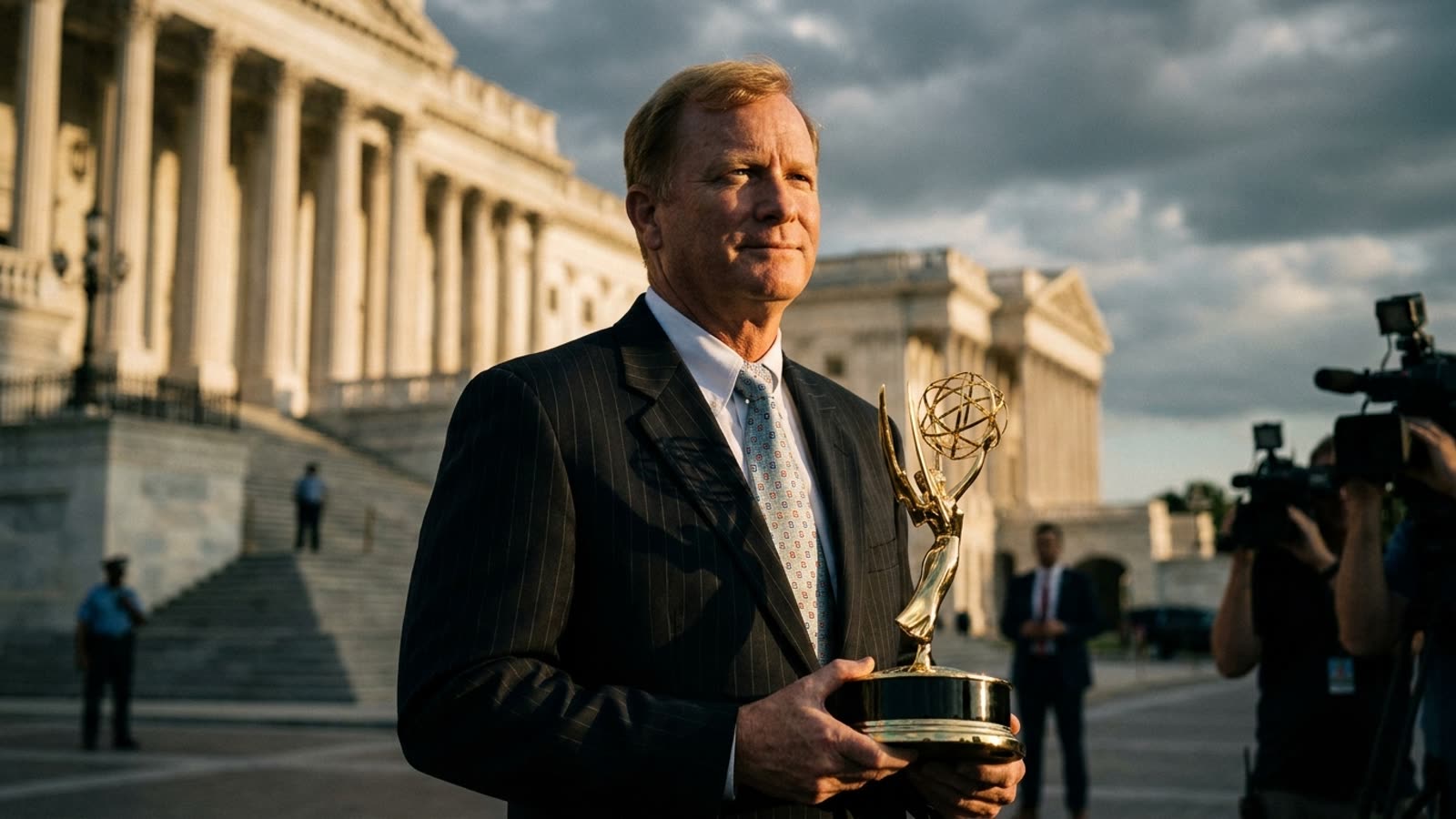
John Cornyn spent three decades building the kind of Republican résumé that used to guarantee a graceful ascent: Majority Whip, NRSC chair, reliable conservative vote, the Senate's designated adult in rooms full of bomb-throwers. On Tuesday night, Texas Republican primary voters told him none of it mattered. Ken Paxton, the state attorney general who was impeached by his own party's legislature in 2023, crushed Cornyn by double digits after Donald Trump's late endorsement settled the race.
The defeat is total. But it may also be clarifying.
The rebellion that wasn't
Cornyn campaigned as a Trump ally, not a Trump critic. He praised the president's Iran strikes, echoed administration talking points on the border, and avoided the kind of public dissent that might have given MAGA voters a reason to distrust him. It didn't work. Trump's endorsement of Paxton—delivered just days before the runoff—functioned less as a boost for the attorney general than as a kill shot against Cornyn. The message to Republican incumbents was unmistakable: loyalty is insufficient; only fealty counts.
That leaves Cornyn in an unusual position. He remains in the Senate until January 2027. He owes Trump nothing. And he has watched a small but growing number of Republican senators—most notably those who opposed the president's Iran strategy in recent weeks—begin to test the boundaries of permissible dissent.
A caucus in search of a leader
The Senate GOP's internal tensions have been visible for months. Several members have privately questioned the administration's handling of the Iran conflict, and a handful have gone public with concerns about executive overreach. What they lack is a figurehead—someone with enough seniority and institutional credibility to organize opposition without being dismissed as a gadfly.
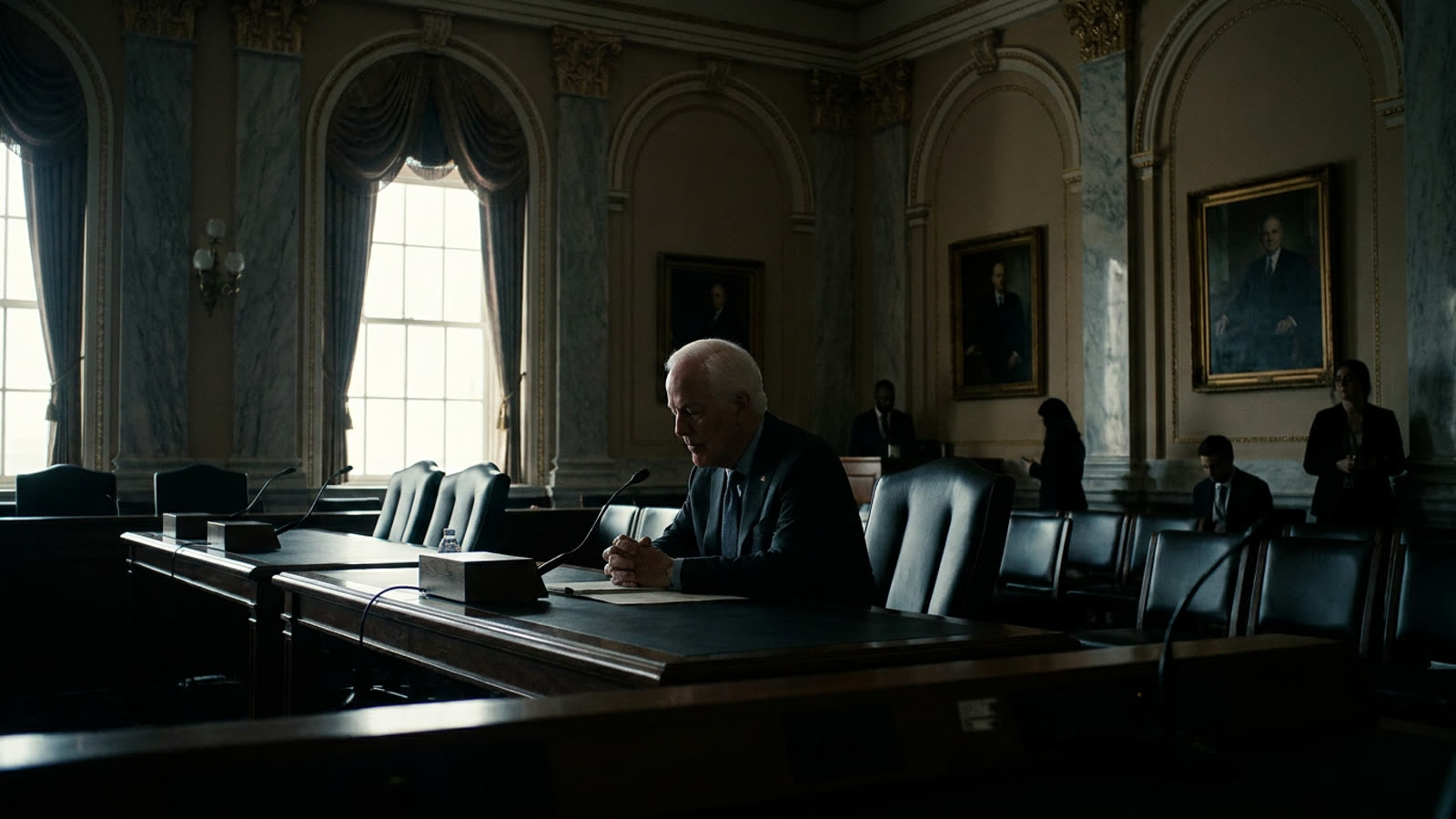
Cornyn fits the profile. He knows the Senate's procedural levers better than almost anyone. He has relationships across the conference. And crucially, he now has nothing to protect. A senator with no future primary to worry about is a senator who can vote his conscience, or at least his irritation.
The Paxton problem
The general election is not a foregone conclusion. Paxton will face James Talarico, a young Democratic state legislator, in November. Texas remains red, but Paxton carries baggage that a generic Republican would not: securities fraud charges that have lingered for a decade, the impeachment trial, ongoing FBI scrutiny. Democrats will spend heavily to make the race competitive.
If Paxton stumbles—or even if he wins narrowly—Cornyn's loss will look less like a personal rejection and more like a party-wide warning. The question is whether Cornyn wants to spend his final months in office as a cautionary tale or as something more consequential.
Our take
Cornyn has spent his career avoiding unnecessary fights. That instinct served him well when advancement was the goal. Now advancement is off the table, and the instinct looks more like a habit than a strategy. The Senate's small band of Trump skeptics needs someone who can count votes, whip coalitions, and absorb incoming fire without flinching. Cornyn can do all of that. Whether he will is another matter—but for the first time in his political life, the cost of trying is essentially zero.