The prediction market industry spent the past two years cultivating an image of democratic information aggregation—wisdom of crowds, price discovery as public good, a cleaner alternative to polling. That narrative just collided with the oldest suspicion in financial regulation: somebody always knows something.
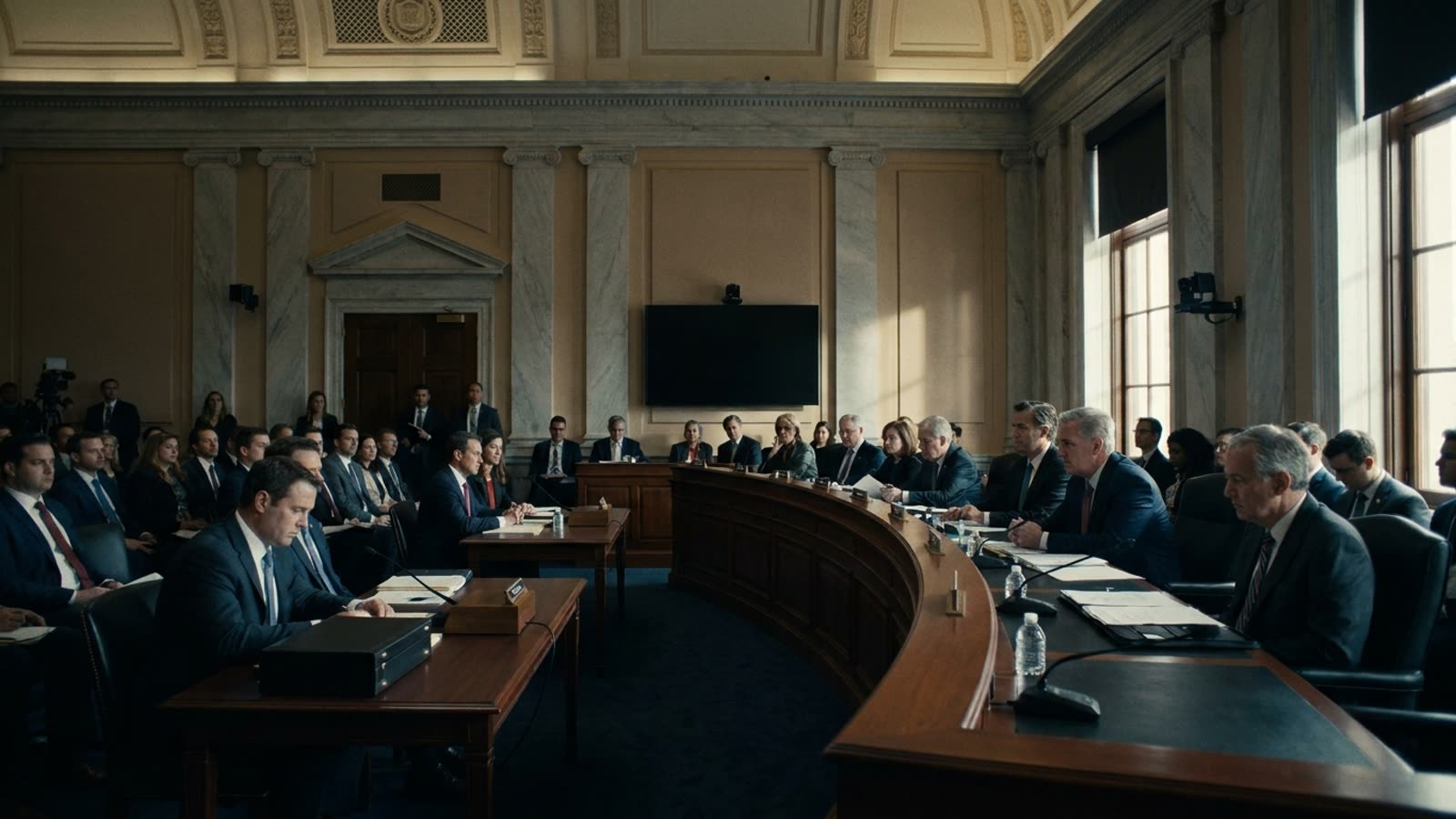
Congressional investigators have opened a formal insider trading probe into both Polymarket and Kalshi, examining whether traders with non-public information—political operatives, campaign staffers, or well-connected lobbyists—have systematically profited from bets placed before market-moving events became public. The inquiry, which spans multiple House and Senate committees, marks the most serious federal scrutiny the sector has faced since Kalshi won its landmark CFTC approval in 2023.
The structural vulnerability
Prediction markets differ from equity markets in one critical respect: the underlying "asset" is often an event controlled by a small number of identifiable humans. When you bet on whether a bill passes, the people who draft, negotiate, and vote on that bill possess information no algorithm can replicate. Traditional insider trading law evolved around corporate securities, where material non-public information has a relatively clear definition. Prediction markets exist in a gray zone—there is no issuer, no fiduciary duty, and often no clear line between informed speculation and prohibited conduct.
Both platforms have policies prohibiting users from trading on inside information, but enforcement relies heavily on self-reporting and pattern detection. Critics have long argued that the very politicians who might regulate these markets have every incentive to preserve the ambiguity.
Timing is everything
The probe arrives at a particularly awkward moment. Earlier this month, Kalshi and Polymarket both lost bids to halt state gambling cases in Nevada and Washington, with courts ruling that the platforms' federal authorization does not preempt state gaming laws. The companies now face a two-front war: state regulators treating them as unlicensed casinos, and federal legislators questioning whether their core product is compromised by information asymmetry.
Polymarket, which operates offshore and technically bars U.S. users, has nonetheless seen substantial volume from American IP addresses through VPNs—a fact that congressional investigators are reportedly examining alongside the trading data. Kalshi, fully licensed and U.S.-domiciled, may have more legal exposure precisely because it played by the rules.
Our take
The prediction market industry's original sin was pretending that political betting is fundamentally different from political corruption. It isn't. When the commodity being traded is the outcome of human decisions made by a finite group of insiders, the temptation to monetize privileged access is not a bug—it's the business model's shadow. Congress is late to this realization, but not wrong. If these platforms survive, they will need surveillance infrastructure that rivals the SEC's, and a theory of liability that doesn't yet exist in American law. The honeymoon was always going to end; the question is whether the marriage survives.