The private markets have long operated as a velvet-rope VIP section where accredited investors and institutions trade stakes in companies like SpaceX, Stripe, and OpenAI while everyone else watches from behind the stanchions. Coinbase just cut a side door through the wall.
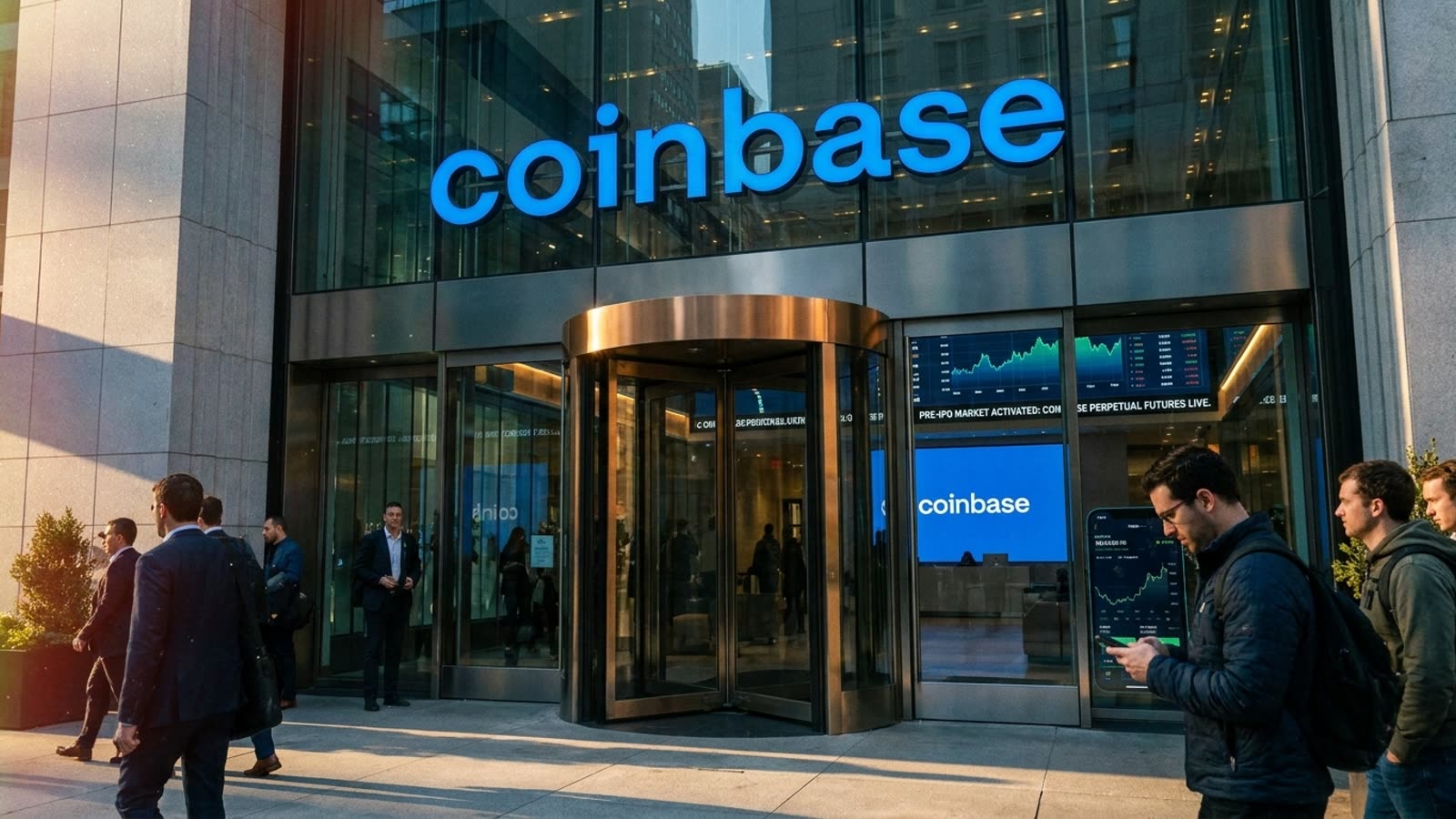
The exchange announced perpetual futures contracts that track pre-IPO valuations of private companies, launching with SpaceX as the inaugural offering. It is a deceptively simple product with potentially seismic implications: retail traders can now express directional views on the world's most valuable private company without ever touching actual equity.
The mechanics of synthetic exposure
Perpetual futures—crypto's signature derivative innovation—have no expiration date and use funding rates to keep prices tethered to an underlying index. Coinbase's pre-IPO contracts reference secondary-market transaction data and valuation benchmarks to establish a settlement price. Traders can go long or short with leverage, posting crypto collateral rather than wiring funds to a private-share broker who might require six-figure minimums.
The appeal is obvious. SpaceX's latest tender offer reportedly valued the company near $350 billion, making it the world's most valuable private enterprise. Until now, gaining exposure meant navigating opaque secondary markets, dealing with transfer restrictions, or buying into specialized funds with lengthy lock-ups. Coinbase's perpetuals offer instant liquidity, 24/7 trading, and the ability to short—something virtually impossible in traditional private markets.
Regulatory tightrope and market structure questions
Coinbase is launching the product through its international derivatives platform, keeping it outside the direct purview of the SEC and CFTC for now. The regulatory arbitrage is deliberate: offering synthetic exposure to private-company valuations would face intense scrutiny if marketed to US retail customers as a securities product.
But the structural questions extend beyond compliance. Who provides the valuation data? How liquid will these markets actually be? And what happens when the perpetual price diverges sharply from the illiquid secondary market it supposedly tracks? Crypto perpetuals on Bitcoin and Ethereum benefit from robust spot markets that anchor price discovery. Private companies have no such luxury—their valuations are updated quarterly at best, through tender offers and funding rounds that involve a handful of counterparties.
Our take
This is either a genuine democratization of private-market access or a cleverly packaged casino game dressed in financial-inclusion rhetoric. Probably both. The demand is real—retail investors have watched SpaceX's valuation multiply while being locked out of the gains—and Coinbase is meeting that demand with the tools crypto does best: derivatives, leverage, and round-the-clock liquidity. Whether the resulting prices bear any meaningful relationship to SpaceX's actual worth is almost beside the point. In crypto, the market is the product.