When you buy a share of stock or a trader bets on oil futures, you assume the other side will pay up. That trust rests on institutions most people have never heard of: clearing houses. They are the invisible intermediaries that guarantee every trade, absorbing the risk that your counterparty vanishes before settlement. Without them, modern finance would be a web of personal IOUs, and every market panic would cascade into systemic failure.
A clearing house interposes itself between every buyer and seller the moment a trade executes. You sell; the clearing house becomes the buyer. Someone else buys; the clearing house becomes the seller. This legal substitution—called novation—means neither party needs to trust the other. They trust the clearing house, which collects margin from both sides and stands ready to make good if either defaults. The model is older than most central banks. The first commodity clearing houses appeared in nineteenth-century grain markets, where farmers and millers needed a neutral referee. Today's versions clear equities, bonds, derivatives, and foreign exchange—trillions of dollars in notional value every day.
The margin call that holds it together
Clearing houses do not operate on faith. They demand collateral—initial margin when you open a position, variation margin when the market moves against you. If you bet oil will rise and it falls, the clearing house calls you at the end of the day and asks for cash to cover the loss. Refuse, and you are closed out. This daily discipline prevents small losses from compounding into catastrophic ones. The system worked as designed during the chaos of early 2020, when volatility spiked and margin calls flooded in. Clearing houses collected hundreds of billions in extra collateral and no major default occurred. Critics noted that the sudden demand for cash strained even solvent firms, but the alternative—no clearing house at all—would have been worse.
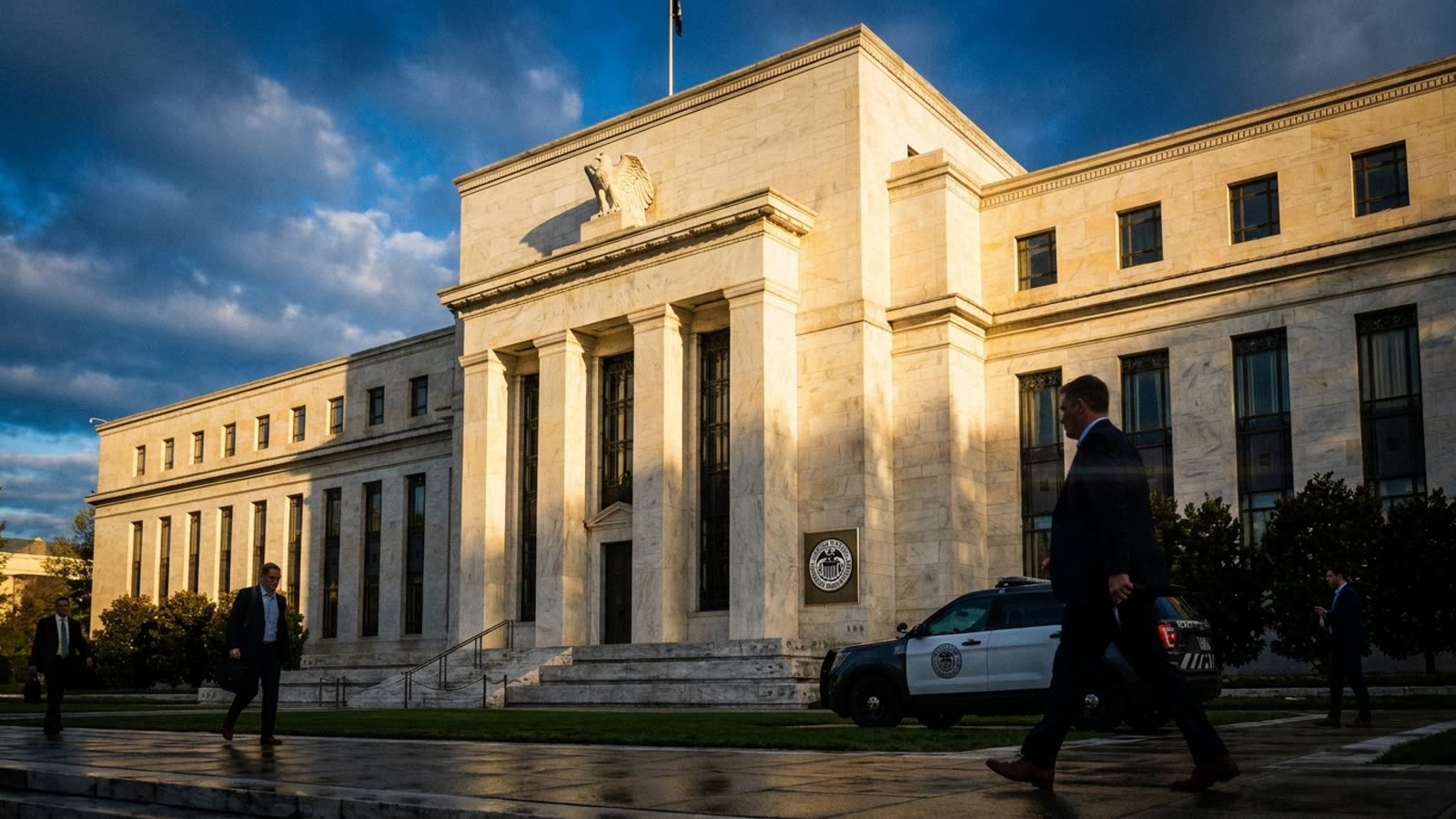
The architecture has a fatal flaw: the clearing house itself becomes a single point of failure. If it miscalculates risk or a member defaults with losses exceeding posted margin, the clearing house must tap its own capital, then mutualise losses across surviving members, and in extremis call on emergency liquidity from central banks. This nearly happened in 1987, when the stock-market crash left some brokers unable to meet margin calls and the Chicago Mercantile Exchange's clearing house teetered. The Federal Reserve opened the discount window and disaster was averted, but the episode revealed how fragile the system is. A clearing house cannot fail without taking the market with it, so regulators treat them as systemically important and impose strict capital and governance rules. The 2008 crisis led to a mandate that most derivatives move onto central clearing, concentrating even more risk in these institutions.
Our take
Clearing houses are the least celebrated piece of financial infrastructure, and perhaps the most important. They turn anonymous markets into reliable ones, but they also create a too-big-to-fail problem that no amount of margin can fully solve. The next stress test will come from a direction no one is watching—a cyber attack, a sovereign default, a correlation breakdown—and the question is whether the daily margin calls and capital buffers will be enough, or whether central banks will once again have to backstop the referees. The system works until it doesn't, and when it doesn't, there is no plan B.