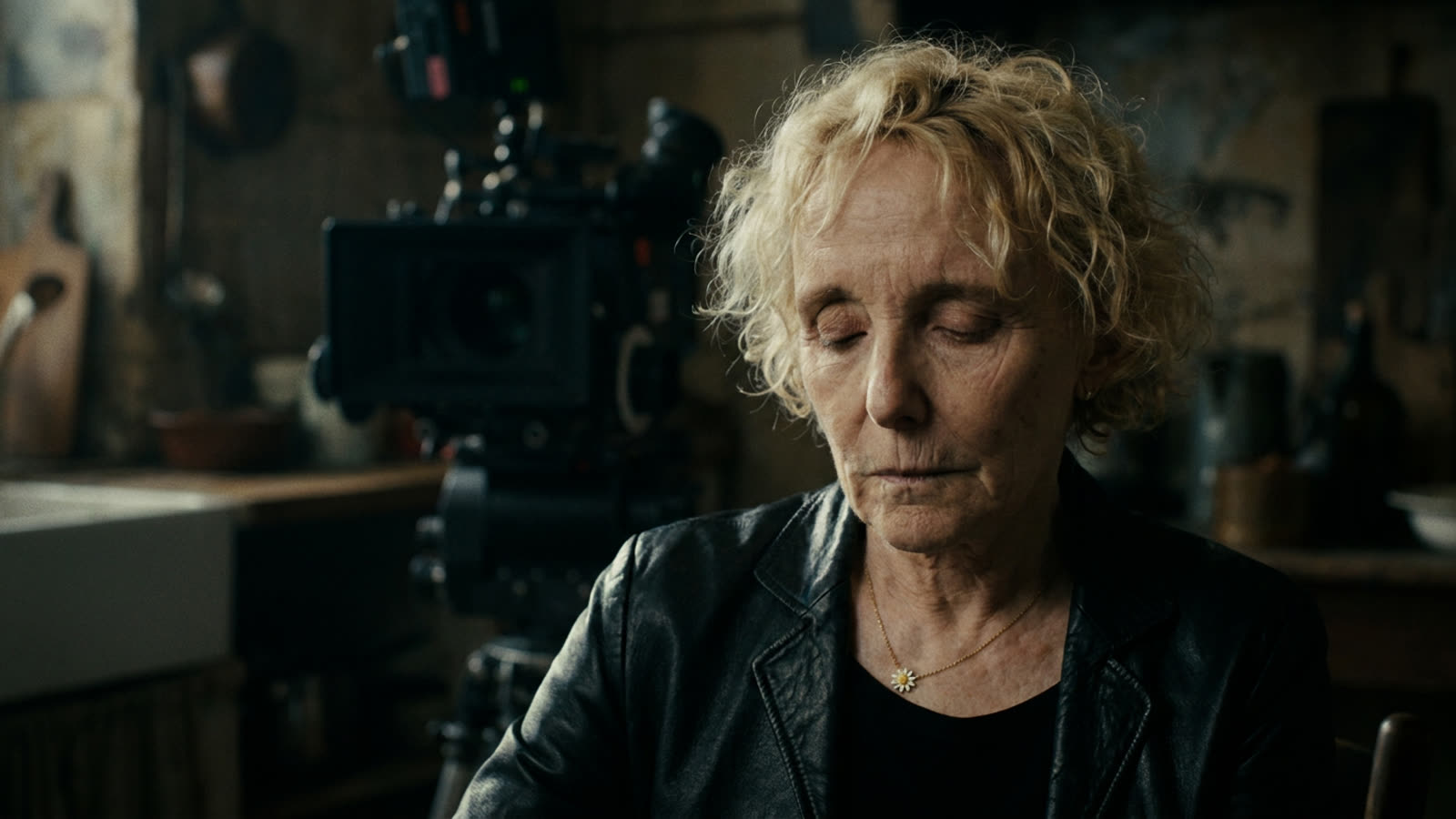
At 79, Claire Denis remains cinema's most elegant chronicler of bodies consuming one another — sometimes metaphorically, sometimes not. Her next film will apparently dispense with the metaphor.
"The Soap Maker," a female-led cannibal crime drama that first surfaced at Berlin's European Film Market in 2025, has now secured producers Sylvie Pialat and Benoît Quainon, signaling that Denis is finally moving from development limbo into active pre-production. The project reunites her with longtime collaborator Christine Angot on the screenplay, a partnership that yielded the devastating "Both Sides of the Blade" in 2022.
The Denis continuum
Cannibalism is not new territory for Denis. "Trouble Every Day" (2001) remains one of the most unsettling films about desire ever made, featuring Béatrice Dalle literally devouring her lovers. That film was booed at Cannes; it is now taught in film schools. "The Soap Maker" suggests Denis is returning to that primal register, but with the genre scaffolding of a crime narrative — a structure she has never fully embraced.
The title evokes historical true crime: during World War I, rumors circulated about German soap factories using human fat, and the Italian saponifier Leonarda Cianciulli famously murdered women in the 1940s to make soap and teacakes. Whether Denis draws from these sources or invents her own mythology remains unknown. What is certain is that she will make the premise feel inevitable rather than sensational.
Why the timing matters
Denis arrives at this project after a period of remarkable productivity. "Stars at Noon" won the Grand Prix at Cannes in 2022. "Both Sides of the Blade" competed the same year. She has spent the past three years circling projects, including an adaptation of "The Stars at Noon" author Denis Johnson's other work. "The Soap Maker" suggests she has found her next obsession.
The film also arrives as cannibalism enjoys an unlikely cultural moment. Luca Guadagnino's "Bones and All" (2022) brought teenage flesh-eaters to the multiplex. Julia Ducournau's "Titane" and "Raw" made body horror respectable at festivals. Denis, who pioneered this territory two decades ago, now returns to find the conversation finally catching up to her.
Our take
Claire Denis making a cannibal movie is like Scorsese making a mob picture — the genre exists because she helped define it. The crime-drama framing is intriguing precisely because it suggests compromise, and Denis does not compromise. Expect something that uses genre conventions the way a predator uses camouflage: to get close enough to strike.