The Elton John Impact Awards, unveiled this week in expanded form, honor LGBTQ trailblazers and allies across entertainment, activism, and culture. This year's recipients—Chappell Roan, Laverne Cox, and Melissa Etheridge among them—span three distinct eras of queer visibility, and that is precisely the point.
Sir Elton John, who came out publicly in 1976 when doing so could end a career, has spent decades leveraging his fame for HIV/AIDS philanthropy and LGBTQ rights. The awards bearing his name began modestly but now carry institutional weight, functioning as a kind of queer canon-making exercise. The question the expanded program implicitly asks: who gets to be remembered as having moved the needle?
The Roan factor
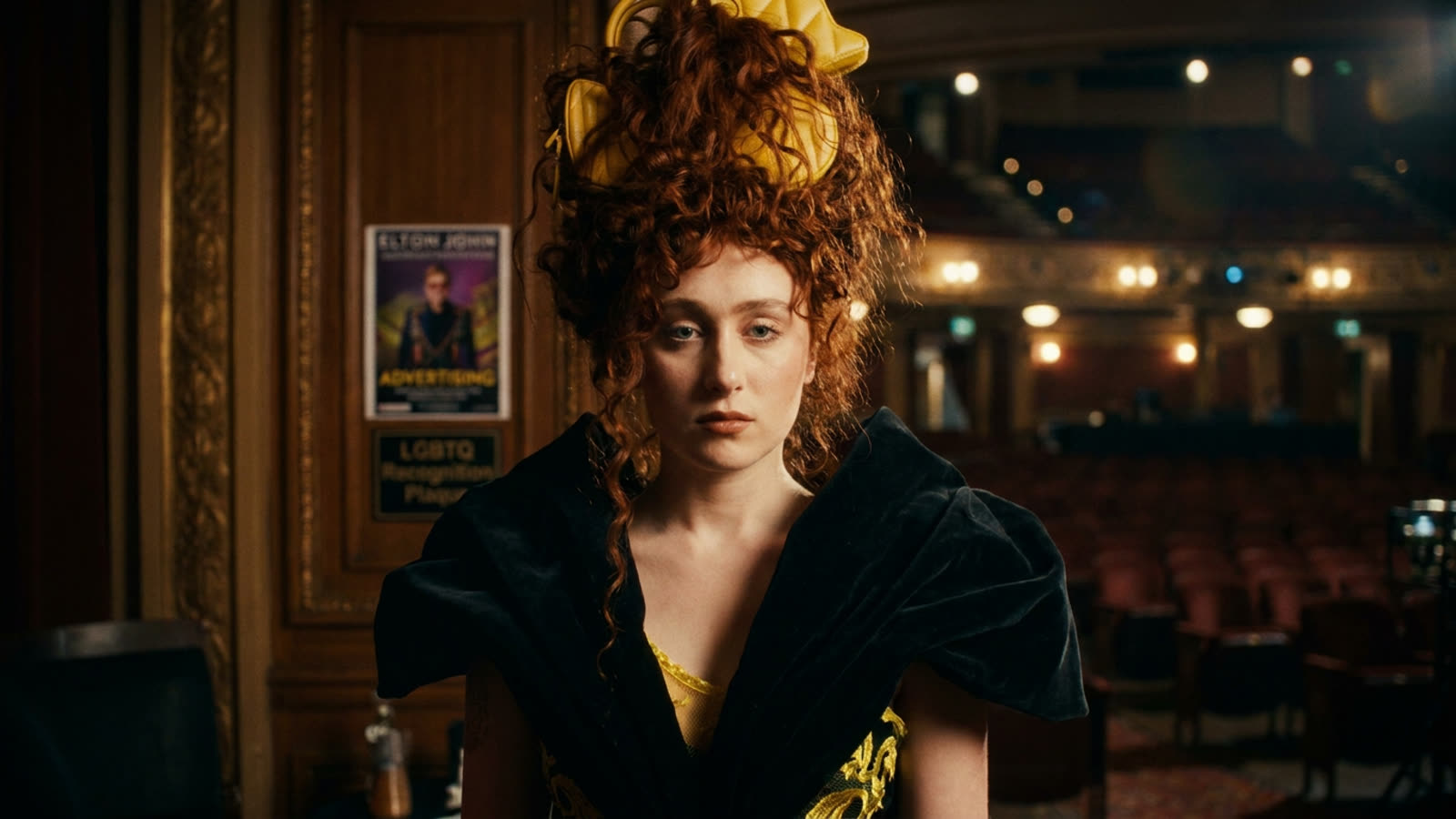
Chappell Roan's inclusion is the most telling. The 27-year-old singer, whose maximalist drag-influenced aesthetic and songs like "Pink Pony Club" became anthems of queer joy in 2024 and 2025, represents a generation for whom queerness is not a revelation but a premise. She has spoken openly about her sexuality since her career began, never experiencing the closeted-then-out narrative arc that defined earlier generations of LGBTQ artists. Her presence on the list alongside Etheridge—who came out at the 1993 Triangle Ball and faced genuine professional risk—illustrates how dramatically the landscape has shifted.
Legacy and legitimacy
Laverne Cox, the Emmy-nominated actress and producer, occupies a different position entirely. As one of the most visible transgender women in American public life, she has spent a decade navigating both celebration and backlash, becoming a de facto spokesperson for trans rights whether she sought the role or not. Her inclusion acknowledges that visibility itself remains a form of activism, particularly as anti-trans legislation proliferates across American states.
The awards also serve a practical function for the Elton John AIDS Foundation, which benefits from the attention and fundraising opportunities the program generates. Philanthropy and celebrity have always been symbiotic, but the Impact Awards make the exchange explicit: honorees lend their cultural capital, the foundation gains relevance with younger donors, and everyone involved gets to feel virtuous.
Our take
There is something both heartening and slightly melancholy about watching Elton John formalize his legacy through awards. The man who once scandalized middle America simply by existing now presides over a ceremony recognizing that the fight he waged has been largely won in entertainment, even as it continues elsewhere. Chappell Roan does not need to be brave in the way Elton John once did—and that is his victory as much as hers.