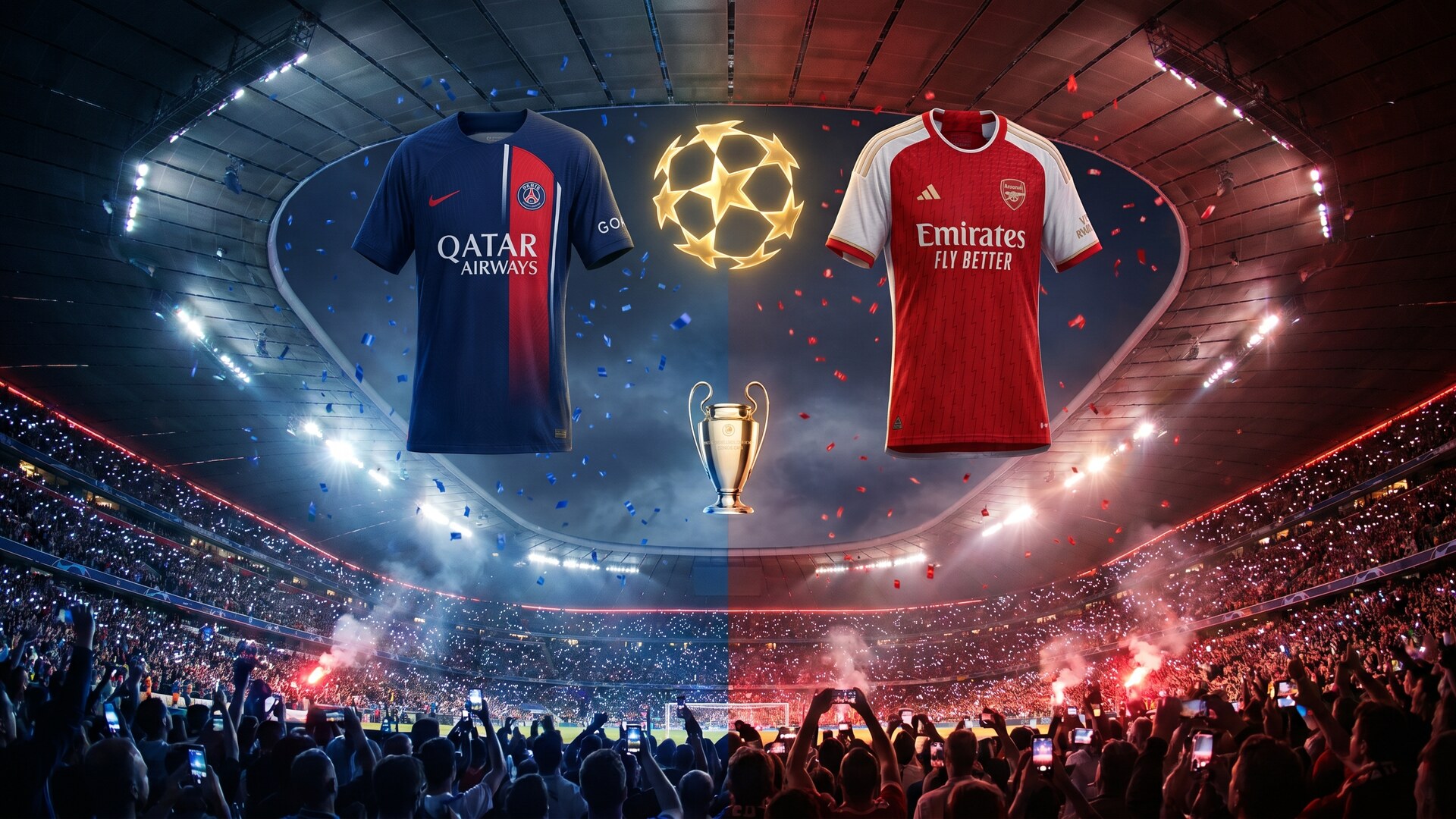
The Champions League final has become the sport's most reliable disappointment. For the better part of a decade, the showpiece match has produced cautious, cagey affairs—clubs too terrified of losing to remember how to win. Budapest on Saturday could break that pattern, and the reason is simple: neither Paris Saint-Germain nor Arsenal can afford another near-miss.
PSG have spent more than a billion euros chasing this trophy since the Qatari takeover in 2011. Fifteen years later, they remain without a European Cup. The departure of Kylian Mbappé was supposed to doom them; instead, it liberated a squad that has learned to function as a collective rather than a delivery service for one man's ambitions. Arsenal, meanwhile, have not lifted this trophy since 2006, when a teenage Cesc Fàbregas watched Thierry Henry drag them to Paris. Two decades of hurt, multiple ownership regimes, and one painful rebuild later, Mikel Arteta's side finally looks ready to complete the project.
Why this final is different
Most Champions League finals pit a clear favorite against an overachieving underdog, which produces predictable tactical conservatism. This match offers genuine parity. PSG's attacking depth—built around the emergence of Bradley Barcola and the reinvention of Ousmane Dembélé as a creator rather than a chaos agent—matches up against an Arsenal defense that conceded the fewest goals in the knockout rounds. Neither side will sit back because neither side believes it should.
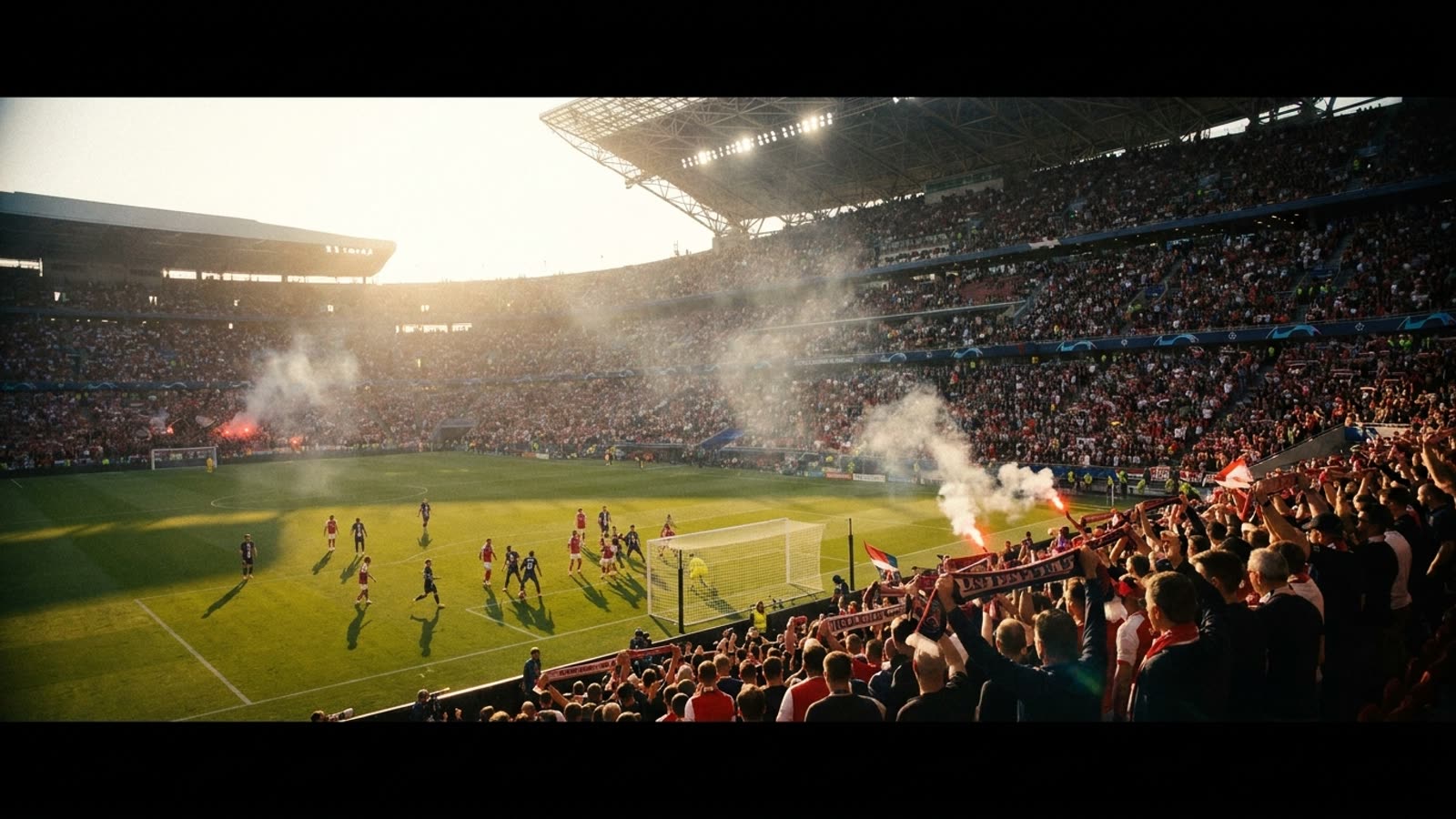
The venue matters too. Budapest's Puskás Aréna is a neutral ground in the truest sense, lacking the institutional weight of Wembley or the Bernabéu. There is no home crowd to play to, no historical ghosts to appease. It is simply a football match, which sounds obvious until you remember how rarely that describes a Champions League final.
The stakes beyond the pitch
For PSG, defeat would validate every criticism leveled at the Qatar Sports Investments project: that money cannot buy European pedigree, that the club remains a vanity exercise dressed up as a sporting institution. President Nasser Al-Khelaifi has staked his legacy on this trophy. Another final loss—they fell to Bayern Munich in 2020—would be existentially damaging in ways that transcend football.
Arsenal's calculus is different but no less urgent. Arteta has built something genuine in north London, a team that plays with identity and conviction. But English football is littered with nearly-great sides that never quite converted promise into silverware. The 2003-04 Invincibles remain the club's reference point; this squad needs its own defining moment.
Our take
This is the final the competition has needed for years. Two attack-minded clubs, two coaches with something to prove, and a trophy that would transform the winner's narrative overnight. Expect goals, expect drama, and expect at least one moment that reminds everyone why they fell in love with this sport in the first place. PSG's firepower gives them a slight edge, but Arsenal's discipline could be decisive. Either way, Budapest should deliver what the Champions League final so rarely does: a match worth remembering.