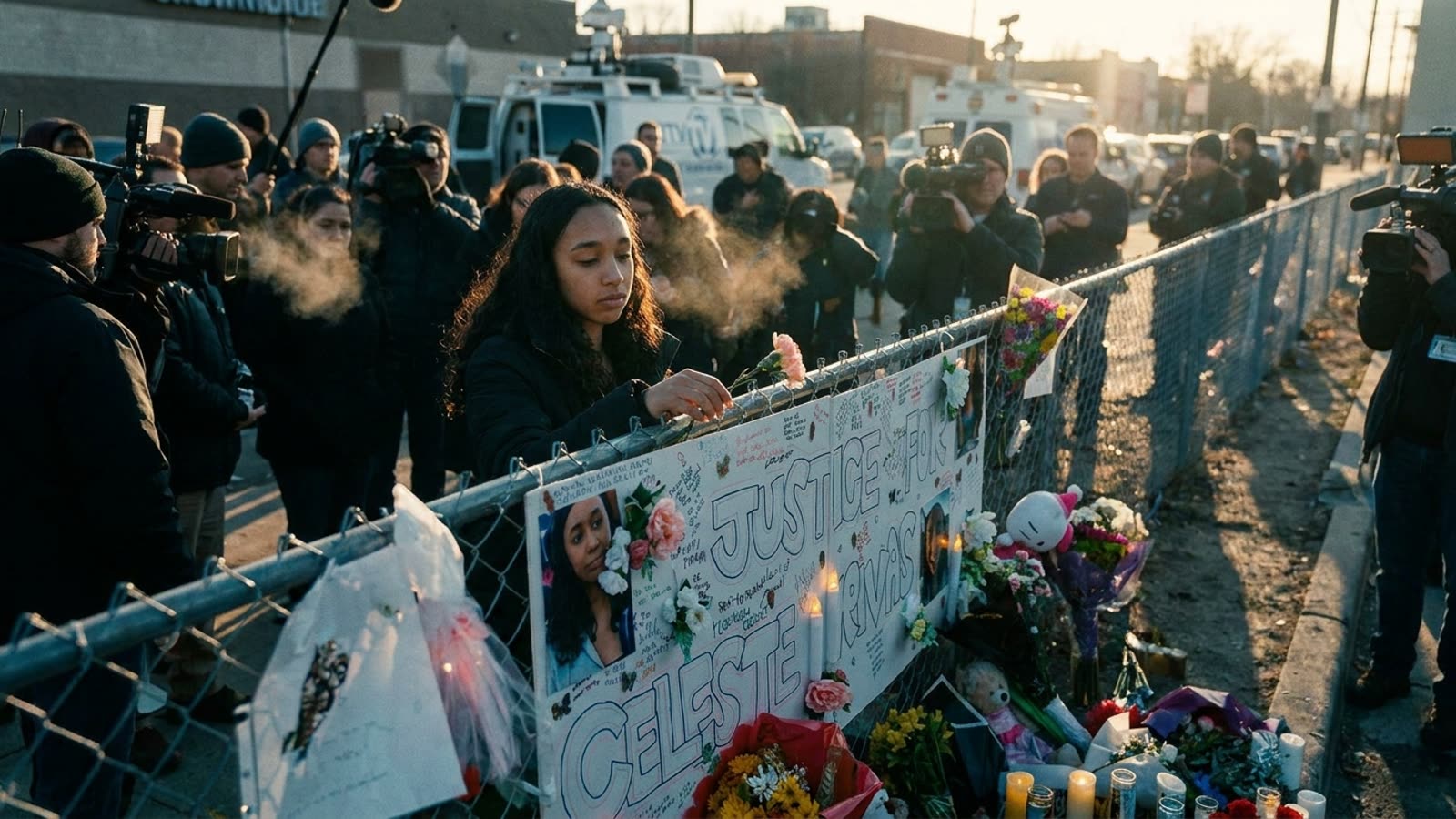
When tragedy strikes someone with even a modest public profile, the response follows a script so familiar it has become its own genre of content. The Rivas family is learning this now, as the relatives of social media figure Celeste Rivas find themselves thrust into a spotlight they never sought, their private pain transformed into fodder for comment sections and algorithmic amplification.
The details matter less than the pattern. A family experiences loss or crisis. The internet discovers a connection to someone with followers. Within hours, strangers are offering condolences, demanding updates, and—inevitably—speculating wildly about circumstances they know nothing about.
The parasocial grief industrial complex
We have built an entire infrastructure around public mourning. GoFundMe campaigns materialize within hours. Tribute posts rack up engagement that would make brand managers weep with envy. News outlets, including this one, cover the coverage. The family becomes a canvas onto which millions project their own anxieties about mortality, fame, and the fragility of ordinary life.
This is not entirely cynical. Genuine empathy exists in these moments, and the impulse to reach out across the digital void toward someone in pain is fundamentally human. But the scale warps everything. A condolence from a stranger is kind; ten thousand of them become a burden. The family must now manage not only their grief but also its public performance.
Privacy as luxury good
For families without means or media savvy, navigating sudden attention is nearly impossible. The Rivas family joins a long list of ordinary people who discovered that proximity to even minor celebrity means forfeiting control over your own narrative. Every photograph becomes evidence. Every social media post is analyzed. Relatives who never asked to be public figures must decide whether to speak, stay silent, or hire someone to manage the chaos.
The wealthy and well-connected can afford crisis communications teams, lawyers who send cease-and-desist letters, and publicists who shape coverage. Everyone else gets the full force of the internet's attention with no buffer and no off switch.
Our take
The Rivas family deserves what every grieving family deserves: space, time, and the dignity of processing loss without an audience. That they will not receive this says nothing about them and everything about the attention economy we have collectively built. We participate in it even as we critique it—this article included. The least we can offer is honesty about what we are doing and why, and perhaps a moment's pause before clicking through to the next tragedy.