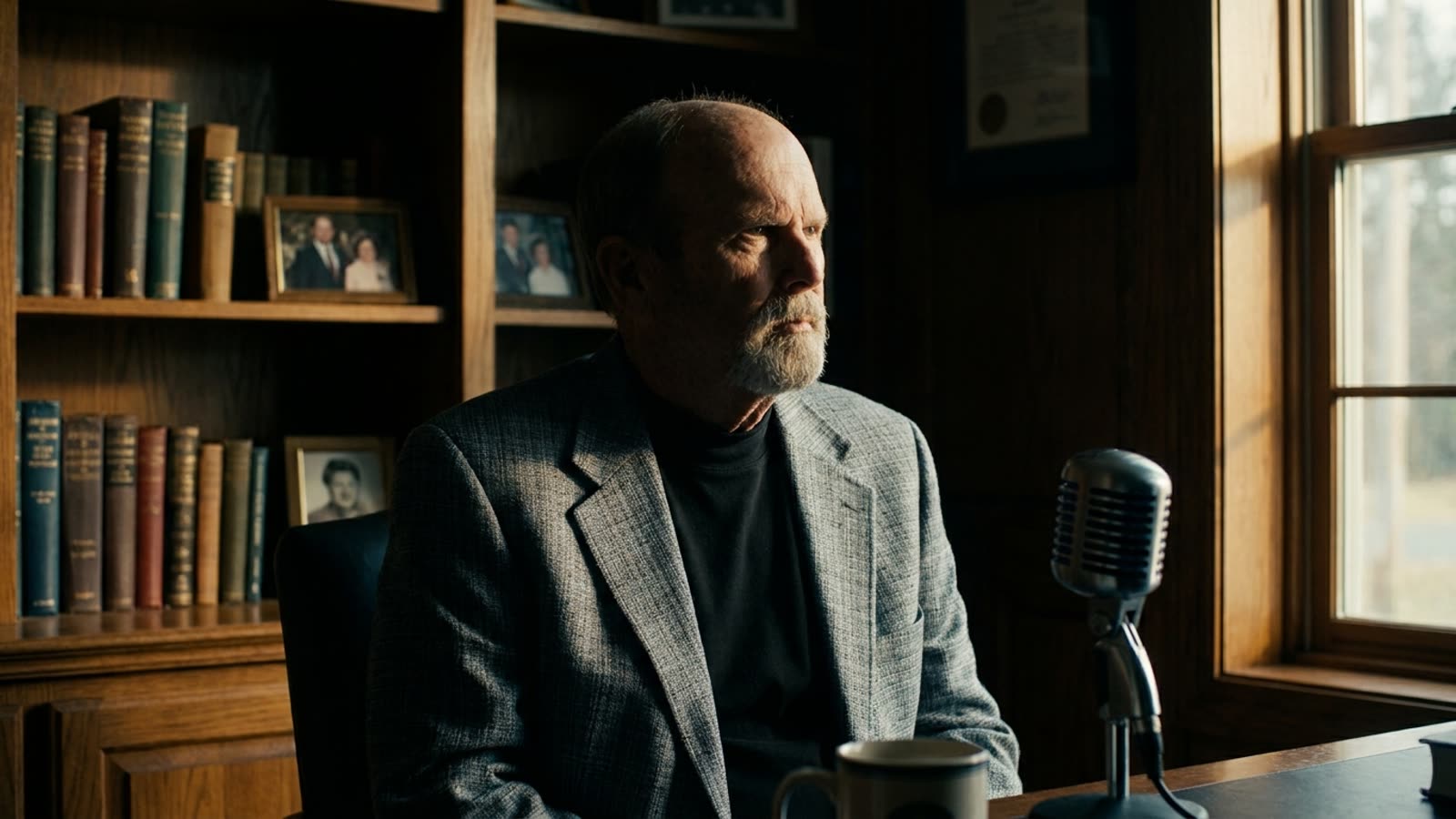
Caleb Shomo has never been particularly interested in mystery. The Beartooth frontman writes songs about depression, anxiety, and self-destruction with the subtlety of a therapy intake form, then screams them into microphones at festivals where tens of thousands of people scream them back. It is a transaction built on radical emotional transparency, and for the better part of a decade, it has worked.
The 31-year-old Ohio native occupies an unusual position in heavy music: he is both the genre's most bankable mid-tier act and its most openly vulnerable one. Beartooth sells out 3,000-capacity rooms with mechanical consistency, streams respectably on Spotify, and moves enough merchandise to keep the operation self-sustaining. Shomo, who produces the band's records himself in his home studio, has built something closer to a small business than a rock-star fantasy.
The Attack Attack! shadow
Shomo joined Attack Attack! as a teenager, inheriting a band already famous—or infamous—for pioneering "crabcore," a much-mocked stance that involved synchronized squatting while playing breakdowns. He has spent his adult career living down that association while quietly absorbing its lessons: give the audience something physical to do, make the hooks undeniable, never be boring. Beartooth's formula strips away the irony and replaces it with earnestness so aggressive it becomes its own kind of armor.
Streaming's squeeze on heavy music
The economics of metalcore have shifted beneath Shomo's feet. Streaming platforms reward frequency and playlist placement, but heavy music remains algorithmically marginalized—too abrasive for mood playlists, too niche for viral moments. Beartooth's response has been volume: five studio albums since 2014, plus EPs, acoustic versions, and a relentless touring schedule that treats every mid-sized city as a potential stronghold. The strategy works, but it demands a pace that would exhaust most artists.
Our take
Shomo is not going to cross over into the mainstream, and he knows it. What he has built instead is something arguably more valuable: a sustainable career in an unsustainable industry, powered by fans who treat his confessional lyrics as communal scripture. The question is whether discipline alone can keep the machine running as the genre fragments and attention spans compress further. For now, Beartooth remains proof that you can scream about your demons and still make payroll.