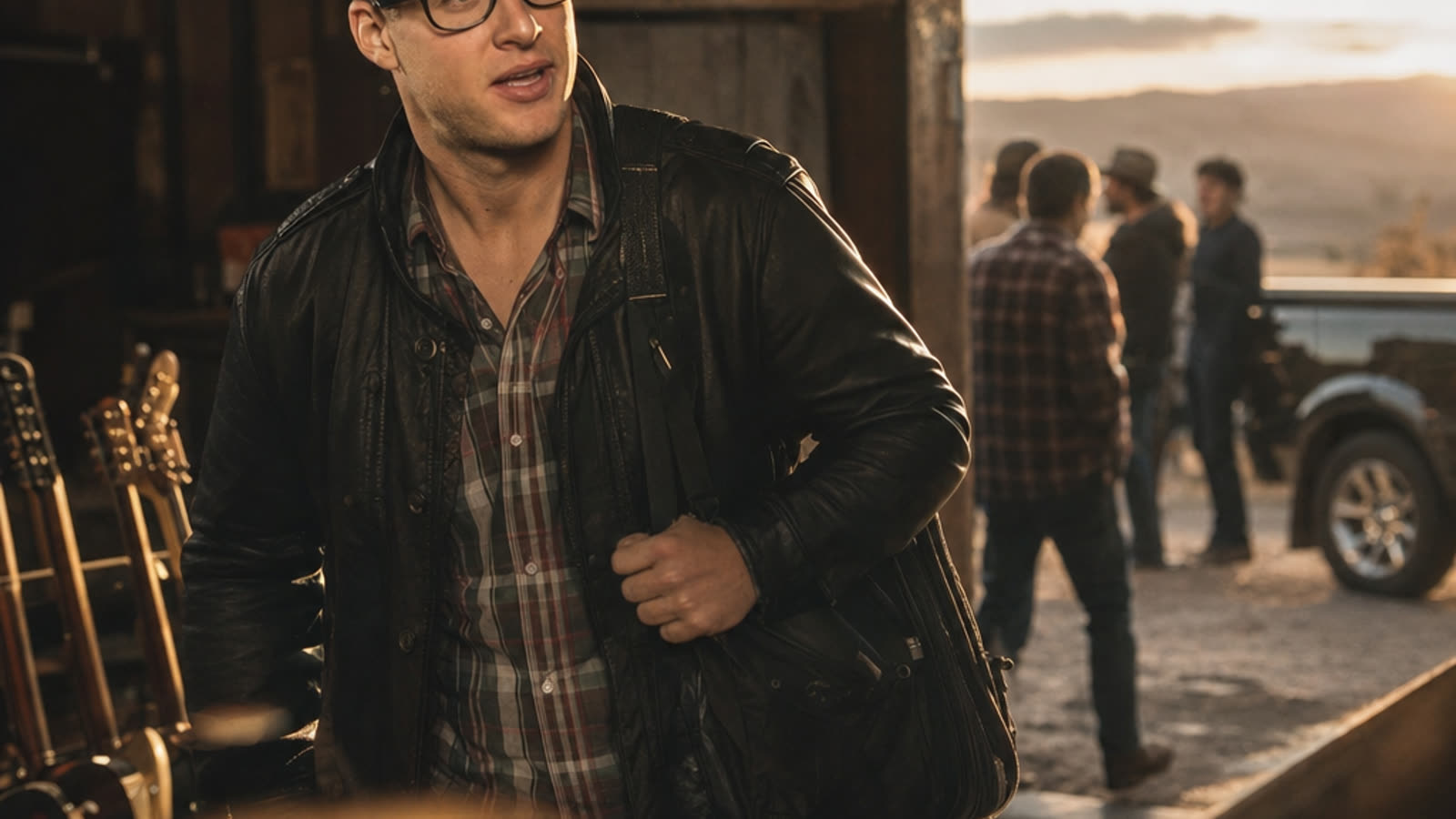
The American Idol industrial complex has always been better at manufacturing moments than careers. For every Kelly Clarkson or Carrie Underwood who parlayed the show's spotlight into lasting stardom, dozens of finalists have discovered that viral audition clips and tearful eliminations translate poorly to the grinding work of building an actual fanbase. Caleb Flynn, the country-leaning vocalist who captured attention during his Idol run, appears to understand this arithmetic better than most.
Flynn's post-show trajectory has been notably unglamorous by design. Rather than chasing the major-label deal that rarely materializes for competition-show alumni, he has focused on the fundamentals that Nashville still rewards: songwriting credits, touring the regional circuit, and cultivating the kind of authentic connection with audiences that algorithms cannot manufacture.
The Idol Paradox
The show's fundamental tension has never been resolved. American Idol promises to discover raw talent and deliver it to mainstream success, but the format itself—weekly eliminations, viewer voting, the compression of artistic development into television-friendly segments—often produces artists optimized for the competition rather than the marketplace. The winners frequently struggle more than the runners-up, burdened by contracts and expectations calibrated for a different era of music consumption.
Flynn's generation of contestants faces an even more fragmented landscape. Streaming has democratized distribution while atomizing attention. A million Spotify plays means less than a thousand genuine fans willing to buy concert tickets and merchandise. The artists who thrive are those who treat the show as a launchpad for independent careers rather than a golden ticket to traditional stardom.
Country Music's Parallel Economy
Flynn's choice to lean into country music reflects shrewd market awareness. The genre maintains an ecosystem that still values live performance, radio play in regional markets, and the slow accumulation of credibility through co-writes and opening slots. Nashville's infrastructure—the publishing houses, the songwriter rounds, the network of venues from honky-tonks to amphitheaters—offers pathways that pop music's winner-take-all dynamics have largely eliminated.
This is not to say country music lacks its own brutal economics. The genre's gatekeepers remain powerful, and breaking through to mainstream country radio requires resources and relationships that competition-show exposure alone cannot provide. But the middle class of country music—artists who can sustain careers without platinum albums—remains more viable than in most other genres.
Our take
The most interesting thing about Caleb Flynn is not his voice or his Idol placement but his apparent understanding that the show was never the destination. In an entertainment landscape that confuses visibility with viability, his willingness to do the unsexy work of career-building suggests either unusual maturity or good advice—possibly both. Whether he becomes a household name matters less than whether he can still be making music in a decade. The former is largely luck; the latter is craft.