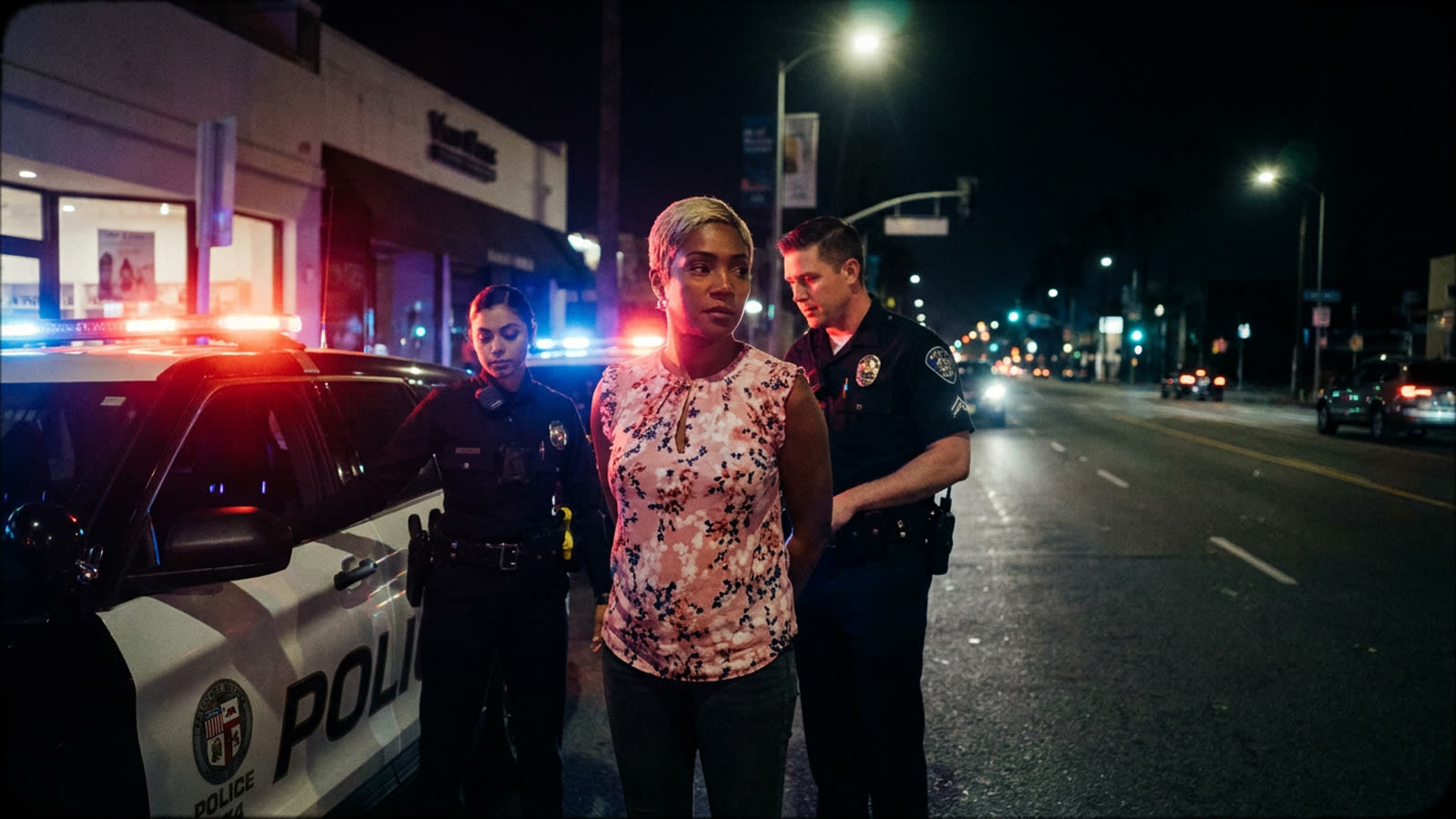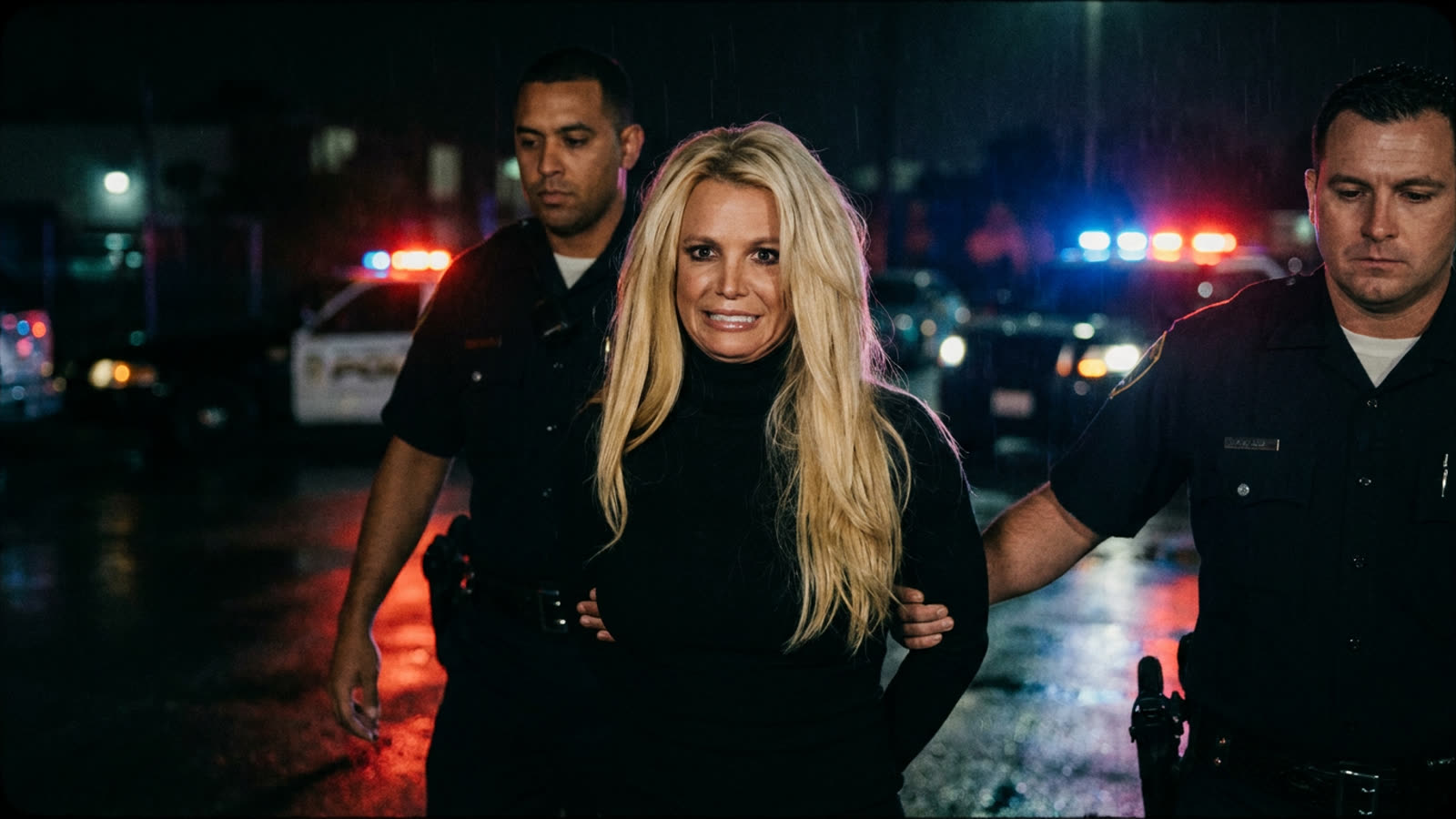
The details emerging from Britney Spears's recent DUI arrest carry a familiar, uncomfortable weight: a woman whose every stumble has been documented, monetized, and moralized over for two decades is once again having her private medical information parsed for public consumption.
According to reports, Spears allegedly told responding officers she had taken Adderall and Prozac on the day of her arrest. Both are common, legally prescribed medications—one for attention disorders, one for depression and anxiety. Neither is inherently disqualifying for driving, though both can interact with other substances or affect individuals differently. The disclosure itself is legally unremarkable. Its publication is culturally revealing.
The medication disclosure problem
When someone is stopped on suspicion of impaired driving, disclosing prescription medications to officers is standard procedure—and often legally advisable. What happens next, however, depends entirely on who you are. For most people, this information remains buried in police reports that no one reads. For Spears, it becomes headline fodder within hours.
The specific medications mentioned—Adderall, a controlled stimulant, and Prozac, a widely prescribed antidepressant—are taken by millions of Americans daily. Their presence in this story says less about Spears's fitness to drive than about our collective inability to discuss her without invoking the specter of the conservatorship years, when her medication regimen was literally controlled by her father and the courts.
The post-conservatorship paradox
Spears was freed from her conservatorship in November 2021, ending a thirteen-year legal arrangement that controlled everything from her finances to her reproductive choices. The public celebrated. Documentaries were made. The #FreeBritney movement declared victory.
But freedom, it turns out, includes the freedom to make mistakes—and the freedom to have those mistakes scrutinized with the same intensity that characterized her constrained years. Every incident involving Spears now exists in a strange double bind: treat her like any other celebrity facing legal trouble, and you're accused of piling on a vulnerable person; treat her with kid gloves, and you're denying her the agency she fought to reclaim.
The DUI arrest itself is serious. Impaired driving endangers lives, and celebrities are not exempt from accountability. But the granular focus on her prescription medications—legal, common, prescribed for conditions she has discussed publicly—feels less like journalism than like the old surveillance dressed in new clothes.
Our take
Britney Spears is a forty-four-year-old woman who has been famous for thirty years and controlled for thirteen of them. She deserves to face consequences for genuine wrongdoing and to have her medical privacy respected when it's irrelevant to the matter at hand. The fact that we cannot seem to cover her without cataloging her prescriptions suggests the conservatorship ended on paper but continues in the public imagination. She wanted her life back. We might consider actually giving it to her.