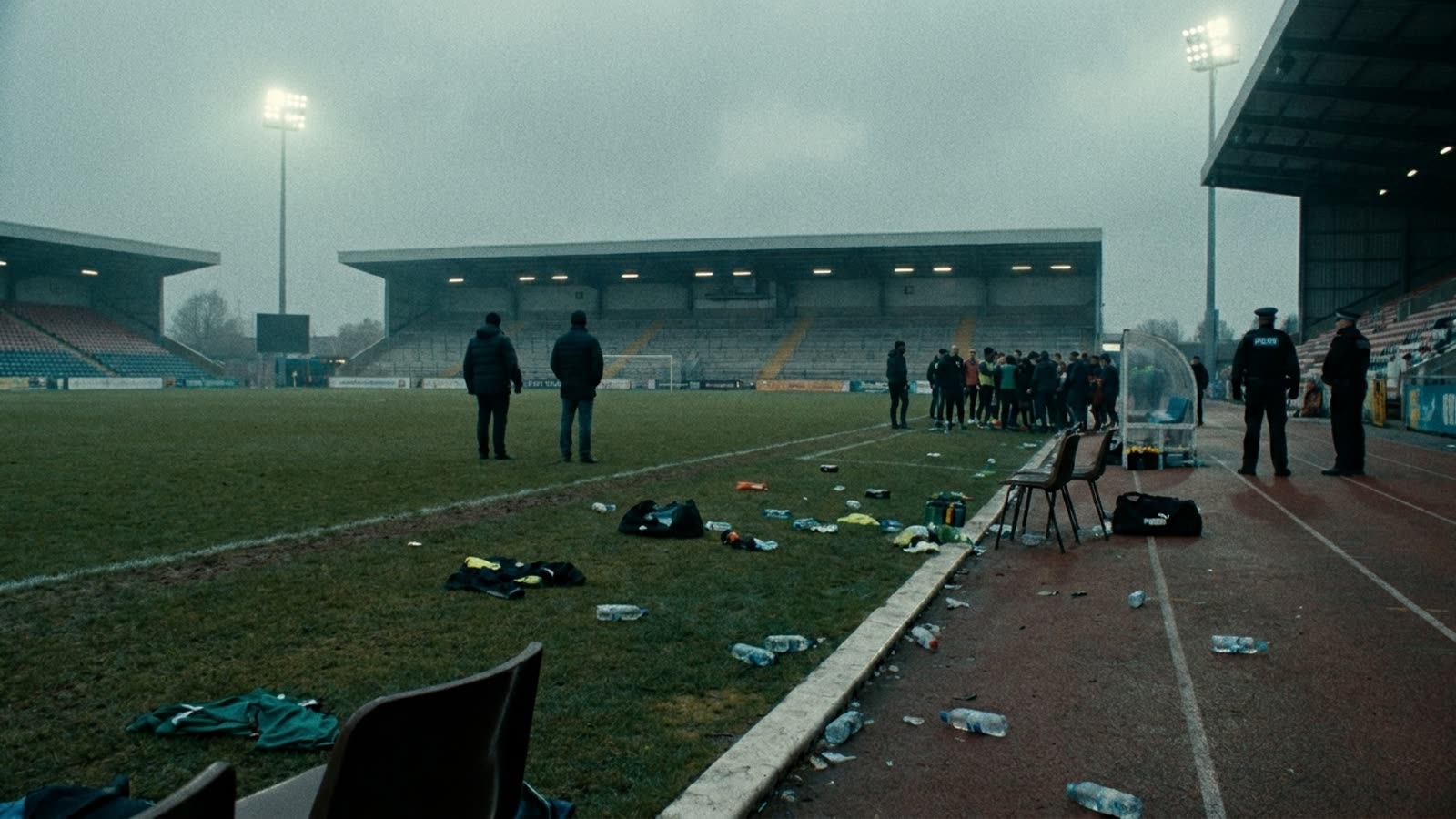
The beautiful game has never looked uglier on a statistical ledger. Referees officiating an under-20 match in Brazil's lower divisions showed 53 red cards after a mass brawl engulfed players, coaching staff, and substitutes from both teams, shattering any previous record for dismissals in a single fixture. By the time order was restored—such as it was—not a single participant remained eligible to continue.
The incident, confirmed by local federation officials, unfolded in the closing stages of a regional youth league fixture. What began as a routine foul escalated into pushing, then punches, then a bench-clearing melee that spilled across the pitch and required police intervention. Match officials, following protocol, issued individual red cards to every person who entered the field of play without permission or engaged in violent conduct. The tally: 53.
A record nobody celebrates
Previous contenders for this dubious distinction include a 2011 Argentine fifth-division match that produced 36 red cards and a 2009 English Sunday league game that saw 20 dismissals. None approached the Brazilian figure. The sheer scale suggests systemic failure: inadequate security, undertrained officials, and a culture of impunity at youth level that allows tensions to boil over unchecked. Brazilian football authorities have promised an investigation, though such pledges often dissolve into bureaucratic silence.
Youth football's deeper malaise
Brazil remains the world's most prolific exporter of professional footballers, yet its domestic pyramid is riddled with structural neglect. Youth academies attached to elite clubs operate as finishing schools for European scouts; regional leagues outside that ecosystem receive minimal funding, oversight, or media attention. Matches are played on rutted pitches before sparse crowds, officiated by referees earning poverty wages. Violence, when it erupts, rarely makes national news—until the numbers become too absurd to ignore.
The 53-card match is an outlier, but not an anomaly. Smaller brawls, referee assaults, and fan invasions pepper Brazilian football's lower tiers every season. The country's football confederation, CBF, has historically prioritised the Série A and the national team, leaving state federations to police themselves with limited resources.
Our take
A world record for red cards is not a quirky sports curiosity; it is an indictment. Brazilian football's grassroots infrastructure is failing the very young players it is meant to develop, and a 53-card brawl is merely the most visible symptom. Until the CBF and state federations invest in security, referee training, and genuine accountability, these scenes will repeat—just with smaller, less headline-worthy numbers. The beautiful game deserves better stewards.