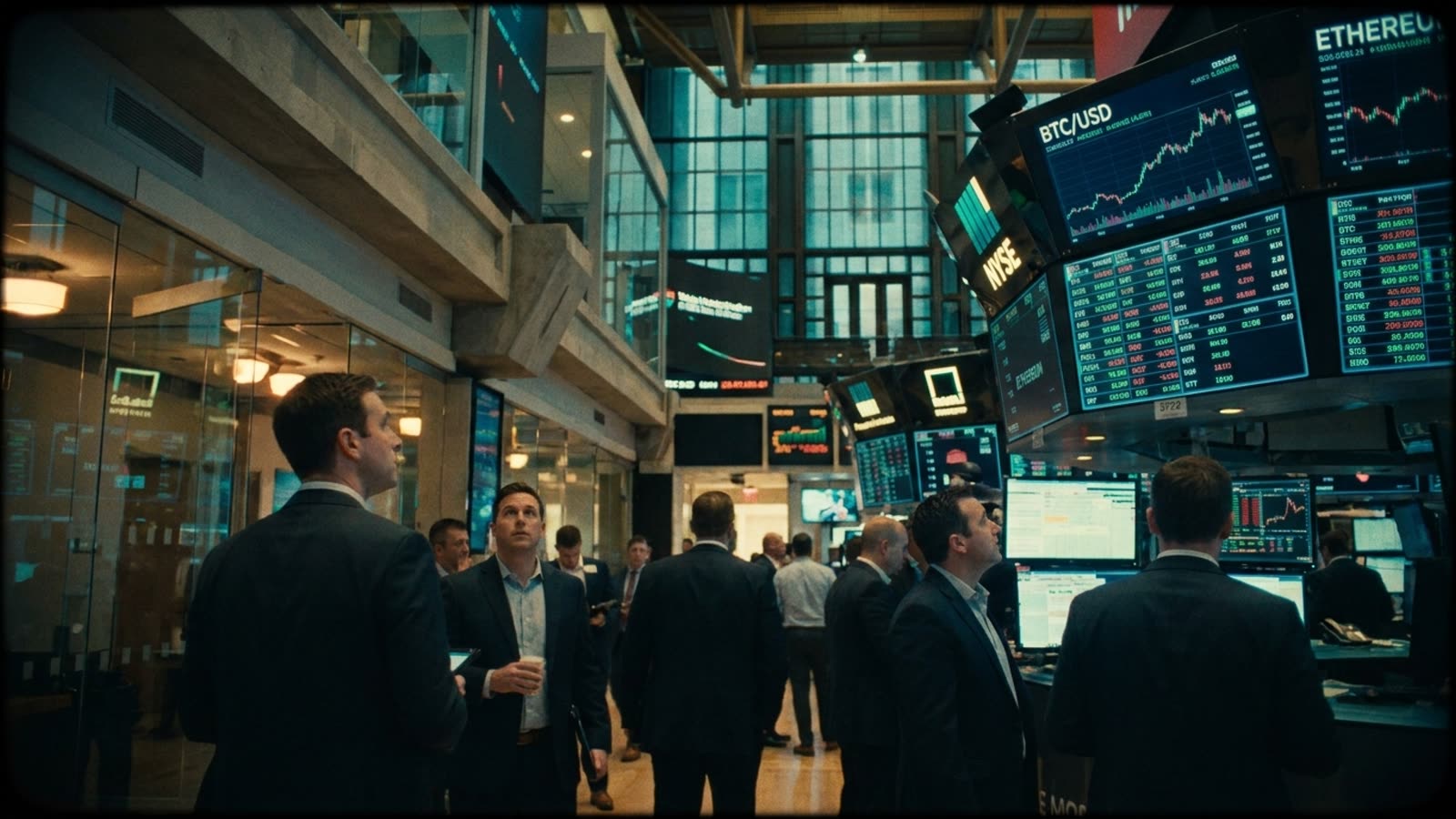
Bitcoin's return to the top of CoinGecko's trending charts this week is not the product of retail mania or memecoin contagion. It is something quieter and, arguably, more consequential: a steady accumulation by institutional players who spent much of 2025 on the sidelines, waiting for regulatory clarity that has now, however imperfectly, arrived.
The spot Bitcoin ETFs approved in early 2024 have matured into genuine conduits for traditional capital. October 2026 has seen net inflows accelerate across the major funds, with BlackRock's iShares Bitcoin Trust and Fidelity's Wise Origin Bitcoin Fund both reporting their strongest weekly creations since the spring. The pattern suggests that asset allocators are treating the current price range—hovering in the mid-to-high five figures—as an entry zone rather than a ceiling.
The corporate treasury revival
MicroStrategy's playbook, once dismissed as the idiosyncratic hobby of a single software executive, has spawned imitators. A handful of mid-cap companies have disclosed Bitcoin purchases in recent weeks, citing the asset's role as a hedge against dollar debasement and a signal of technological alignment. The strategy remains controversial—balance-sheet volatility is real—but the stigma has faded. CFOs who would have been mocked in 2022 for even suggesting the idea now face questions from boards about why they haven't considered it.
Macro tailwinds, macro risks
The Federal Reserve's cautious stance on rate cuts has kept Treasury yields elevated, but it has also reinforced Bitcoin's appeal as an asset uncorrelated to traditional fixed income. With equities expensive and bonds offering modest real returns, allocators are hunting for alternatives. Bitcoin, for all its volatility, fits the bill for a small sleeve of a diversified portfolio. The risk, of course, is that any sudden shift in monetary policy—or a fresh regulatory crackdown—could reverse the flows as quickly as they arrived.
Our take
The trending status is a lagging indicator of something that has been building for months. Bitcoin's institutional adoption is no longer a thesis; it is a fact. The question is whether the asset can hold the attention of buyers who demand more than narrative—who want liquidity, custody solutions, and regulatory predictability. So far, the infrastructure is holding. Whether the price follows is, as always, anyone's guess.