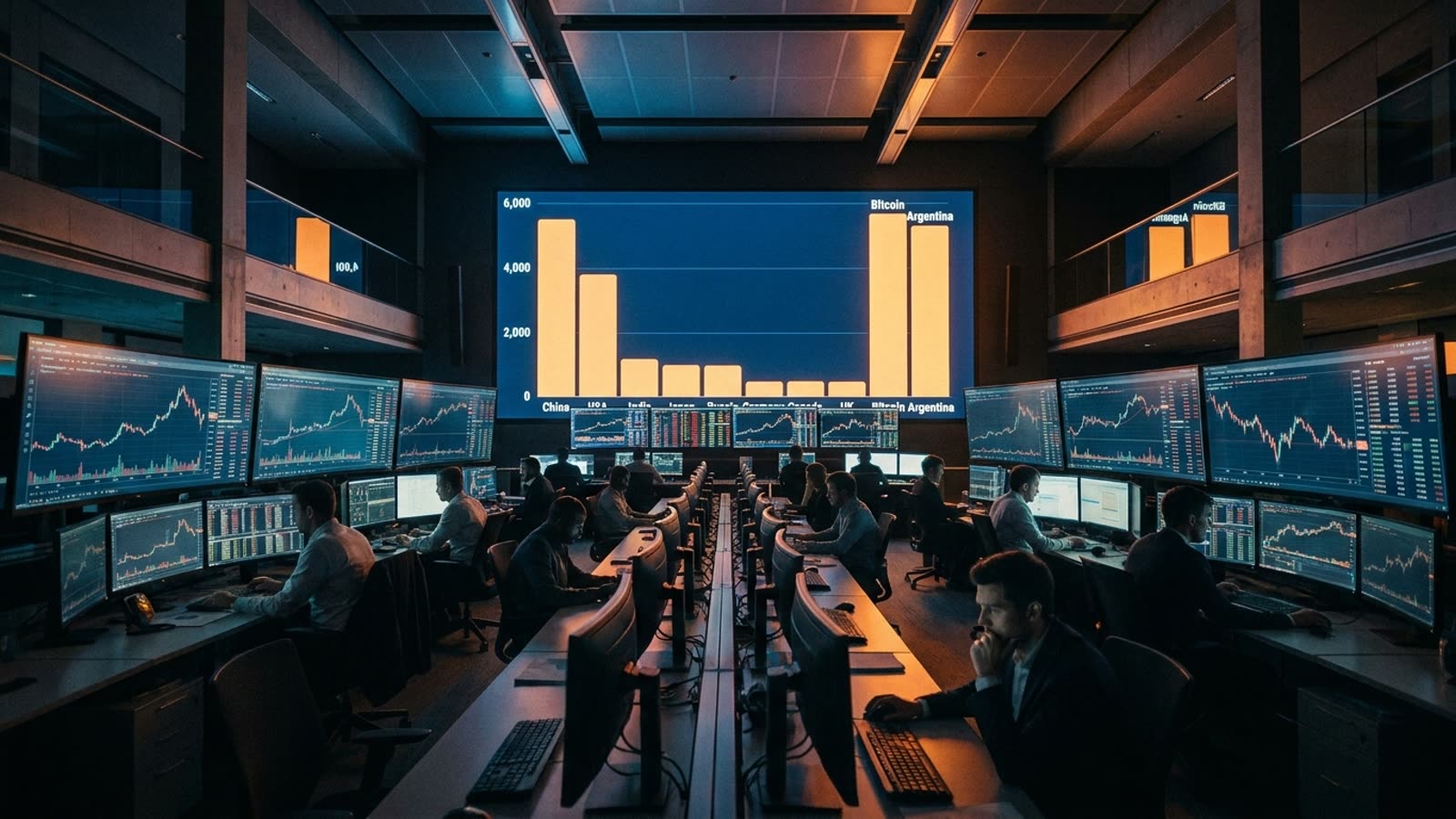
The standard critique of Bitcoin goes like this: a decentralized ledger that burns enough electricity to power a mid-sized nation just to process seven transactions per second is an environmental catastrophe masquerading as innovation. This misses the point entirely. The massive energy expenditure isn't waste — it's the price of creating trust without trustees.
The thermodynamic fortress
Bitcoin's proof-of-work mechanism converts electricity into computational lottery tickets. Miners race to solve cryptographic puzzles, with the winner earning the right to add the next block of transactions to the chain. The genius lies in the economics: attacking the network requires controlling more than half the global mining power, which means outspending the combined electrical bills of thousands of industrial-scale operations spread across multiple continents.
This creates what cryptographers call "thermodynamic security." Every confirmed Bitcoin transaction is backed not by a government's promise or a bank's balance sheet, but by the irreversible conversion of real-world energy into mathematical proof. The electricity isn't wasted any more than the concrete in a bank vault is wasted — both transform physical resources into security.
Why efficiency would break everything
The common suggestion to make Bitcoin "more efficient" fundamentally misunderstands the system. The difficulty adjustment mechanism ensures that blocks are mined roughly every ten minutes regardless of total network power. If mining became ten times more efficient tomorrow, the network would simply become ten times harder to mine, maintaining the same security-through-expense model.
This is why proof-of-stake alternatives, which replace energy expenditure with token ownership, create entirely different security properties. They're not "upgraded" versions of Bitcoin but different philosophical approaches to the question of distributed trust. Proof-of-work's energy intensity is inseparable from its security model — you can't have the trustlessness without the terawatts.
Our take
The debate over Bitcoin's energy use often devolves into tribal warfare between environmental advocates and crypto enthusiasts, missing the more interesting question: what is the appropriate price for a global, permissionless, seizure-resistant monetary network? Bitcoin's energy consumption is a feature, not a bug — the first system in human history where security scales automatically with value. Whether that trade-off is worth it depends entirely on how much you value monetary sovereignty versus kilowatt hours.