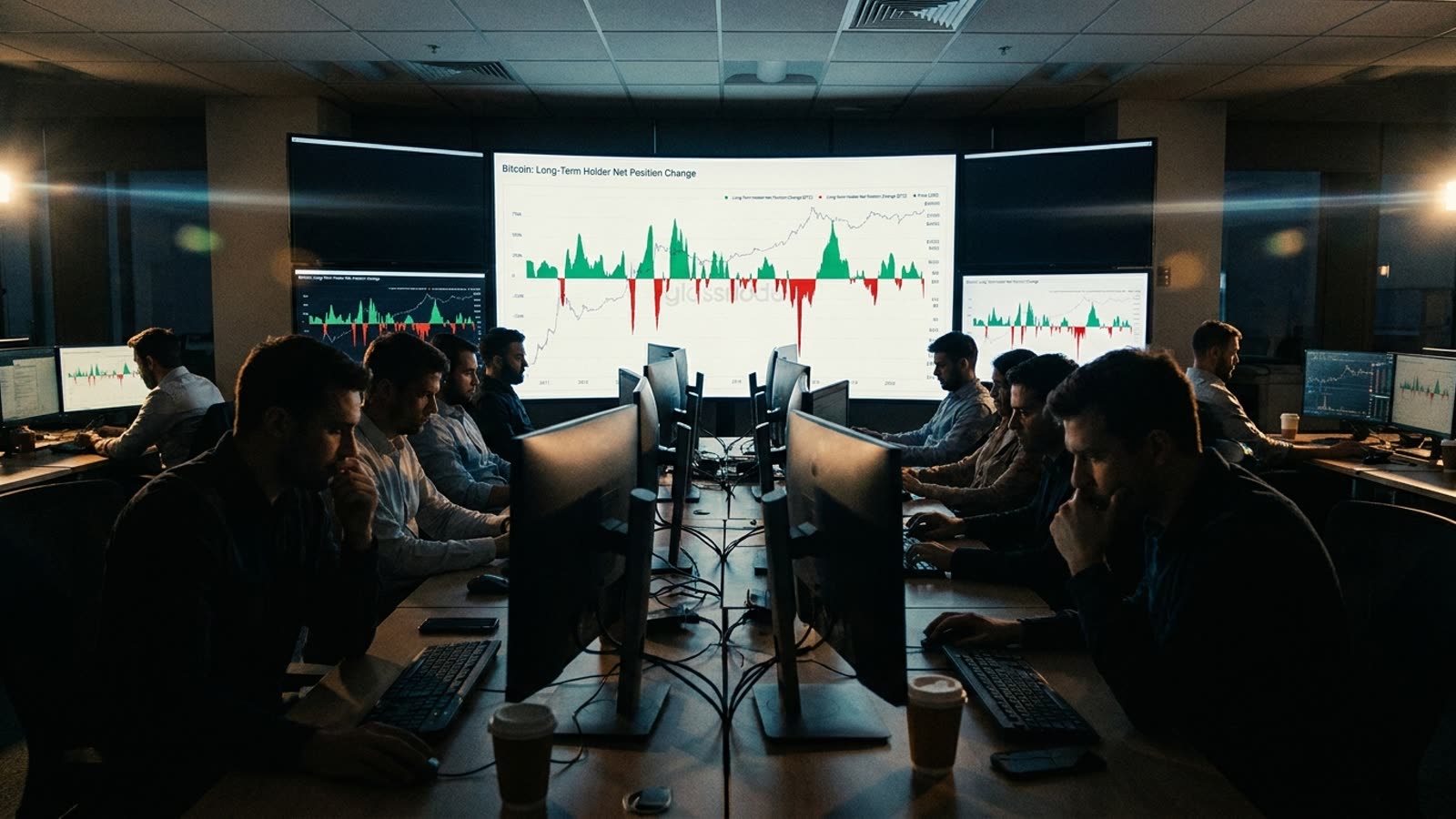
The narrative around Bitcoin has always been one of conviction — the diamond hands, the laser eyes, the unshakeable belief that selling is for the weak. By that measure, the faithful have never been more devout. CryptoQuant's latest analysis shows that the share of Bitcoin held by long-term holders has reached an all-time high, with coins sitting untouched for over a year now accounting for a record percentage of circulating supply.
The problem is that conviction without fresh capital is just a standoff.
The supply side of the equation
Long-term holder supply — generally defined as coins unmoved for 155 days or more — has been climbing steadily throughout 2026, even as Bitcoin has traded in an increasingly narrow range below its all-time highs. This is the HODLer thesis made manifest: through halving cycles, through regulatory crackdowns, through the occasional exchange implosion, the true believers simply do not sell.
But the flip side of this accumulation is that fewer coins are available for trading. In a healthy bull market, this supply squeeze meets rising demand and prices explode upward. In the current environment, the squeeze is meeting... very little at all.
The demand side is the problem
CryptoQuant's data paints a stark picture of buyer exhaustion. New wallet creation has flatlined. Exchange inflows from fresh addresses have dropped to multi-year lows. The retail frenzy that characterized previous cycles — the Coinbase app climbing the App Store charts, the dinner-party conversations about altcoins — is conspicuously absent.
Institutional demand, which was supposed to be the new permanent bid courtesy of spot ETFs, has also cooled. After the initial rush of inflows following the January 2024 approvals, ETF flows have become erratic, with several weeks of net outflows scattered throughout 2026. The institutions that were going to provide a floor have instead provided a ceiling.
What breaks the stalemate
Markets in equilibrium tend not to stay that way. The question is which side blinks first. If macro conditions deteriorate — a scenario that prediction markets are increasingly pricing in — the hodlers' resolve will be tested. A break below key support levels could trigger the kind of capitulation that creates generational buying opportunities, or simply confirms that the 2024-2025 cycle was the top.
Alternatively, some external catalyst could reignite demand. A major sovereign wealth fund allocation, a surprise Fed pivot, a new narrative around Bitcoin's role in an AI-dominated economy — any of these could bring the buyers back. But catalysts, by definition, cannot be scheduled.
Our take
The crypto market loves to talk about supply dynamics — halvings, burns, lockups — as if scarcity alone creates value. It does not. Scarcity plus demand creates value. Right now, Bitcoin has achieved the former in historic proportions while watching the latter evaporate. The hodlers are winning the battle for conviction. Whether they win the war for returns depends entirely on whether anyone else shows up to buy what they refuse to sell.