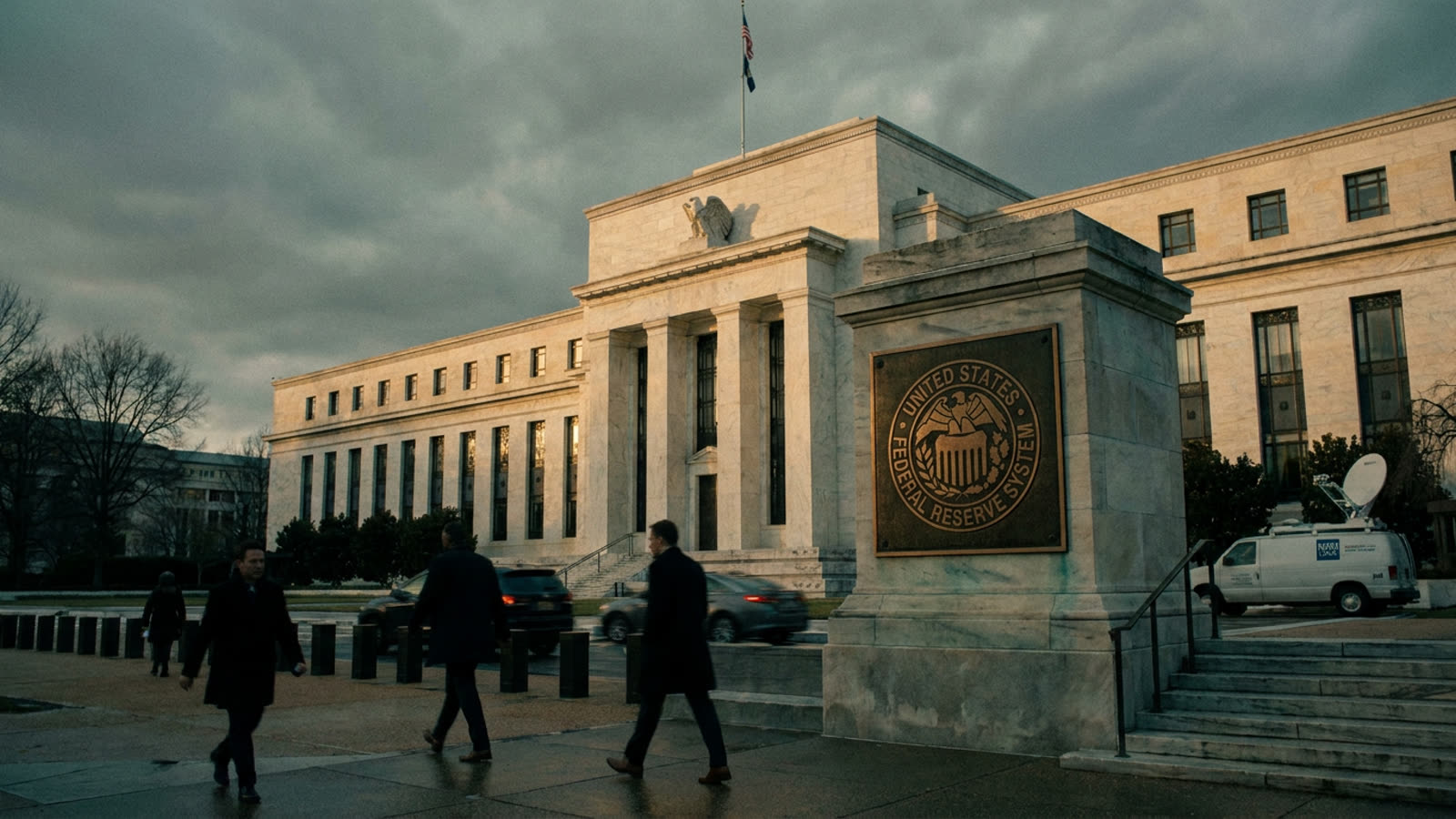
For years, the pitch was simple: buy bitcoin or gold when you fear the Fed, inflation, or geopolitical chaos. One or the other would save you. This week, both failed simultaneously—and the correlation tells us something uncomfortable about where markets actually stand.
As rate-hike expectations surged following hotter-than-expected economic data, bitcoin slid toward $62,000 while gold dropped below $2,300 an ounce. The traditional narrative holds that these assets should diverge: gold thrives on inflation fear, bitcoin on monetary debasement anxiety, and at least one should catch a bid when uncertainty spikes. Instead, both got sold in tandem as traders dumped anything that doesn't pay yield.
The yield problem nobody wants to discuss
The uncomfortable truth is that both bitcoin and gold share a fatal flaw in a high-rate world: neither produces income. When the Fed funds rate sits above 5% and Treasury bills offer risk-free returns, the opportunity cost of holding non-yielding assets becomes punishing. Institutional allocators who once viewed crypto and precious metals as portfolio diversifiers are discovering that "diversification" means little when every alternative asset correlates to the same variable—real interest rates.
This isn't a temporary dislocation. The correlation between bitcoin and gold has tightened meaningfully over the past eighteen months as both have become vehicles for the same macro trade: betting against central bank credibility. When that trade reverses, they reverse together.
The death of the uncorrelated asset
Wall Street spent the 2020s selling bitcoin as "digital gold" and gold as the "original bitcoin." The marketing worked too well. Both assets now attract the same marginal buyer—the macro tourist looking for Fed protection—which means they share the same marginal seller when protection is no longer needed. The very success of the inflation-hedge narrative has destroyed the diversification benefit that made these assets attractive in the first place.
Some crypto advocates argue that bitcoin's long-term fundamentals remain intact regardless of short-term rate expectations. They may be right. But "long-term" offers cold comfort to the pension funds and family offices that allocated based on correlation assumptions that no longer hold.
Our take
The simultaneous selloff in bitcoin and gold isn't a bug—it's the logical conclusion of a decade of marketing both as the same product. When every asset becomes a macro expression, diversification becomes an illusion. The next generation of alternative investments will need to offer something more than "not dollars" to justify their place in portfolios. Until then, the safest hedge against rate uncertainty remains the most boring one: cash.