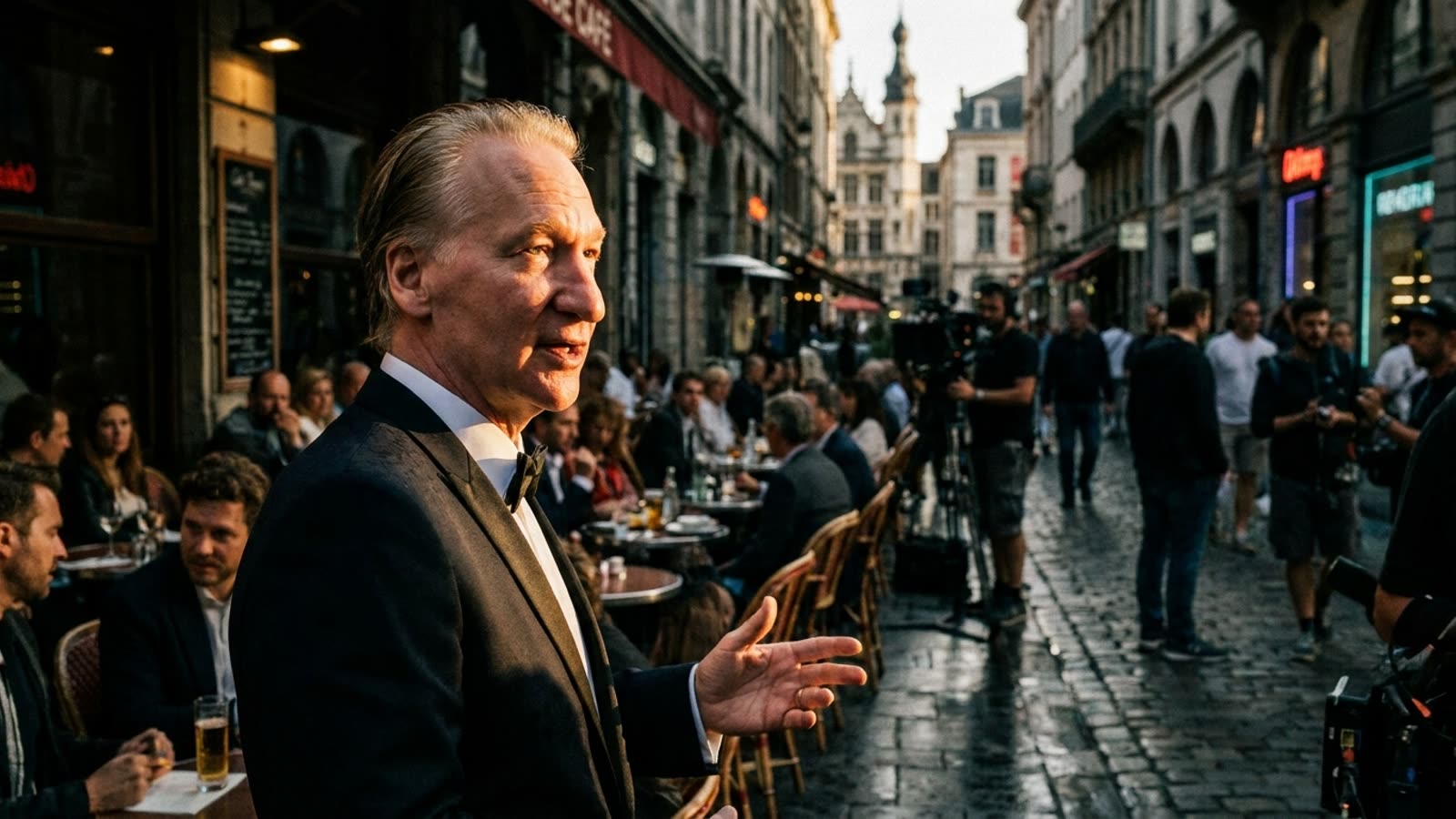
There was a time when Bill Maher's brand of smugness served a purpose. The HBO host built a career on being the liberal who would say the unsayable, the atheist who would mock the pious, the Hollywood fixture who insisted he was not of Hollywood. His audience tolerated the self-regard because it occasionally produced genuine friction with power. That era appears to be over.
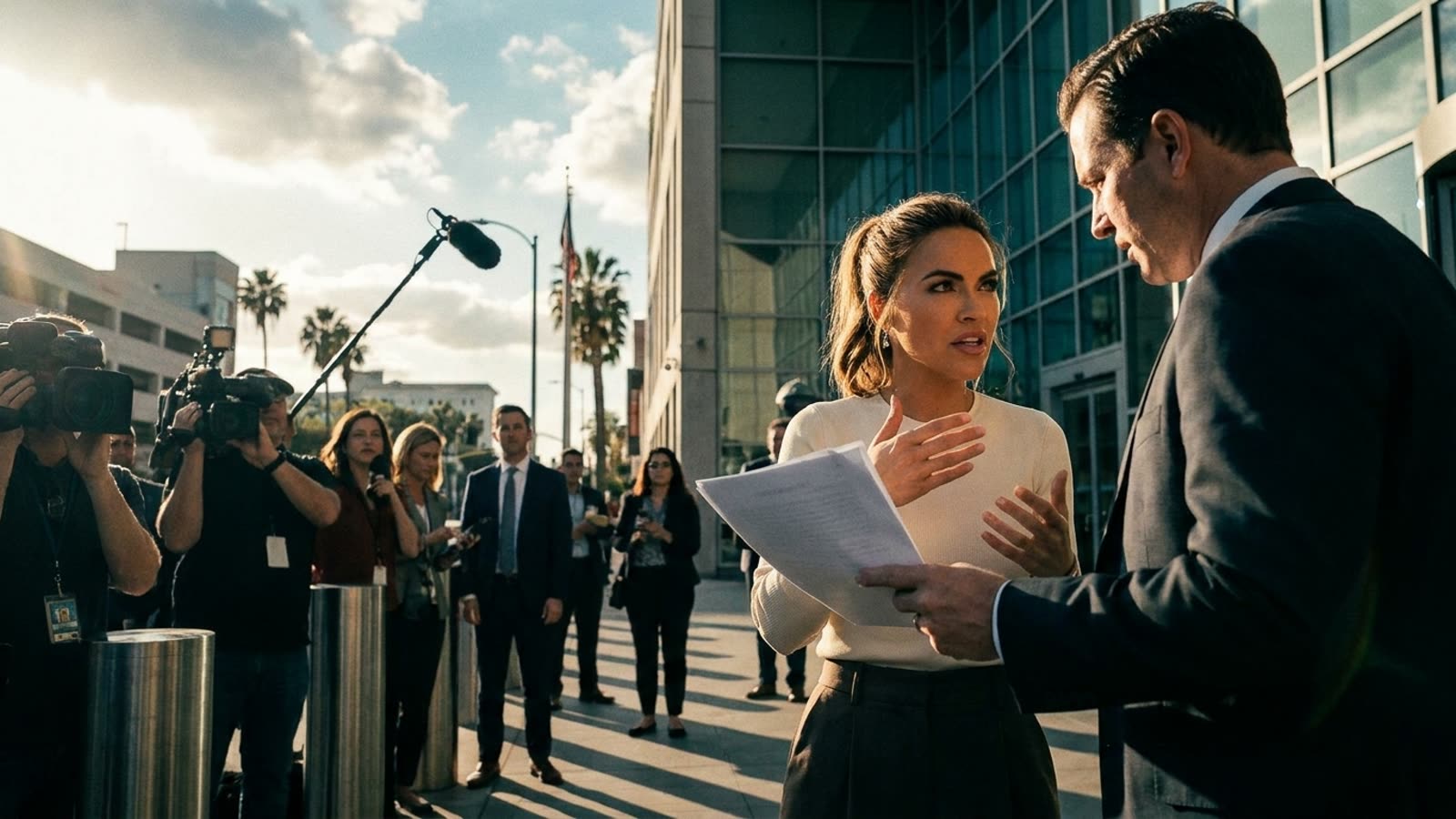
Maher's interview with White House Press Secretary Karoline Leavitt on this week's Real Time was not an interrogation. It was not even a debate. It was the kind of performative sparring that both parties leave satisfied—she got the platform, he got the guest booking, and viewers got nothing resembling accountability. Leavitt deflected with practiced ease; Maher let her.
The dinner that explains everything
The context matters. Earlier this month, Maher joined Kid Rock and Stephen A. Smith as guests at a White House dinner hosted by President Trump. The 70-year-old comedian emerged from the evening on apparently warm terms with the administration, and Trump himself suggested to reporters that Maher had been charming company. For a host who once positioned himself as a thorn in the side of whoever occupied the Oval Office, breaking bread with this particular president—and then conducting a notably toothless interview with his spokesperson—tells us where the needle has moved.
Maher has always trafficked in false equivalence as a rhetorical strategy, insisting that both sides deserve mockery in equal measure. But there is a difference between ideological independence and social opportunism. When your dinner invitations start coming from the people you are supposed to be questioning, the math changes.
The limits of contrarianism as a brand
The problem is not that Maher spoke to Leavitt. Press secretaries should be interviewed, and softball questions are not inherently disqualifying—sometimes you let the subject hang themselves. The problem is that Maher seemed more interested in demonstrating his own reasonableness than in pressing on anything of substance. He has become the kind of interviewer who asks tough-sounding questions and then moves on before the answer can be examined. It is contrarianism as aesthetic, not as function.
This is what happens when provocation becomes a personal brand rather than a journalistic tool. You end up optimizing for the appearance of independence while carefully protecting the relationships that keep you relevant. Maher still delivers his monologues with the cadence of a man speaking truth to power. But the truth has gotten awfully comfortable, and the power keeps inviting him to dinner.
Our take
Bill Maher is not the first television host to be seduced by access, and he will not be the last. But the speed of his accommodation is striking. A decade ago, he would have made this exact critique of someone else—probably while lighting a joint and calling them a sellout. Now he is the case study. The show remains watchable in the way that habit makes things watchable. But Real Time has become a contradiction: a program that promises irreverence while its host carefully cultivates the approval of the powerful. That is not satire. It is dinner theater.