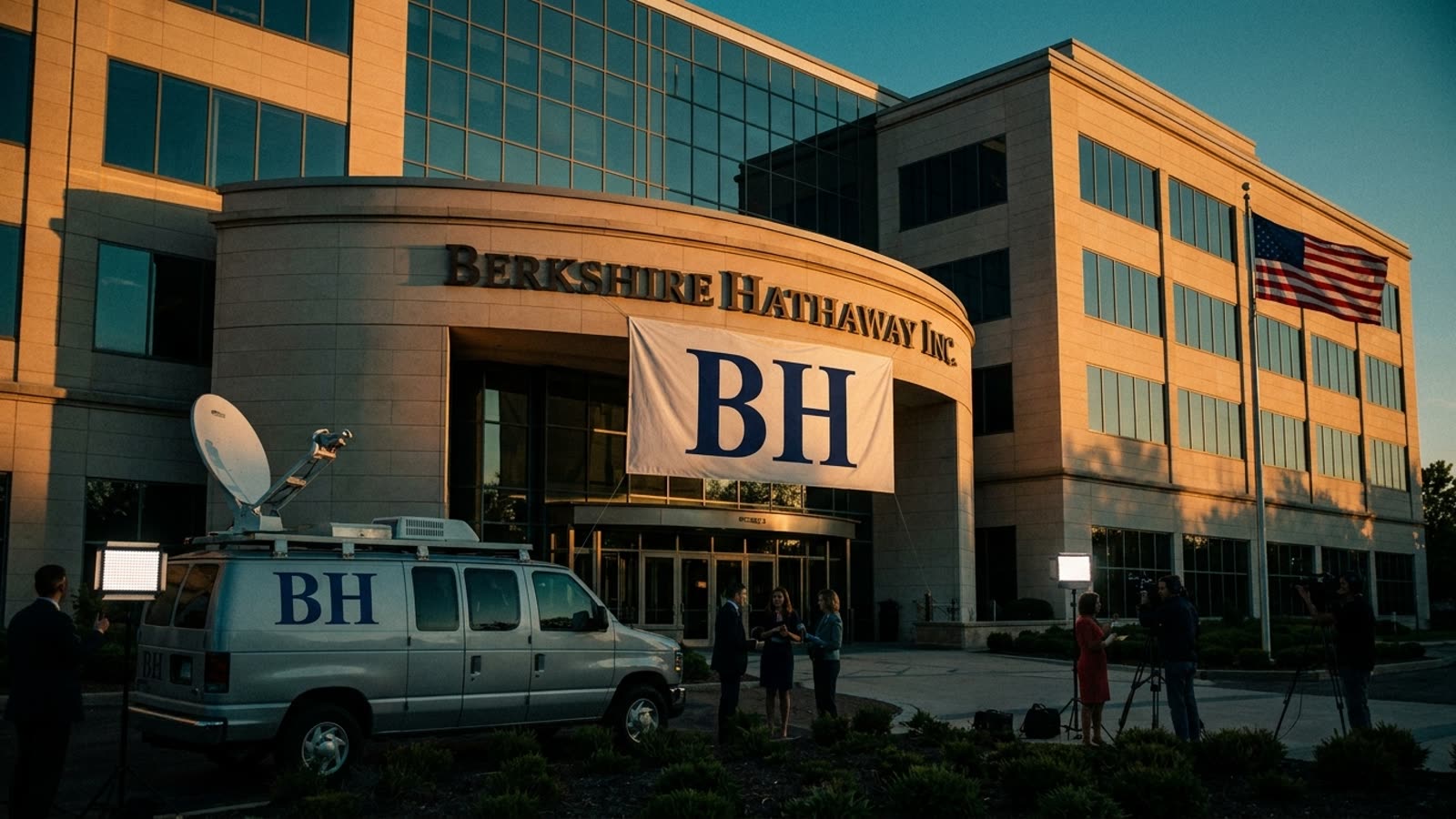
For decades, Berkshire Hathaway's tech thesis could be summarized in four words: Apple, and nothing else. The Omaha conglomerate famously missed Google, Amazon, and the entire first generation of software giants, with Warren Buffett cheerfully admitting he didn't understand what he couldn't value. That confession became corporate scripture. Until now.
Berkshire's disclosure of a $330 million stake expansion in Bending Spoons—the Milan-based holding company that has quietly assembled a portfolio of faded internet brands including AOL, Vimeo, Evernote, and Meetup—marks a philosophical departure that deserves more attention than the 40-percent intraday share pop it briefly generated. This isn't a bet on a single product or a visionary founder. It's a bet on financial engineering applied to digital nostalgia.
The Bending Spoons model
Bending Spoons operates like a private-equity roll-up dressed in tech clothing. It acquires software properties that venture capital has abandoned—brands with residual user bases, modest cash flows, and zero growth expectations—then slashes costs, raises prices, and extracts whatever margin remains. The playbook is closer to 3G Capital's treatment of Kraft Heinz than to anything in Silicon Valley's growth-at-all-costs tradition. AOL, once worth $200 billion at the peak of the dot-com bubble, now exists primarily as an email service for users who never switched. Vimeo, spun off from IAC in 2021 as a would-be YouTube competitor, has retreated into a niche enterprise video tool. Evernote, the note-taking app that defined productivity software in the early 2010s, has been losing users for years. Bending Spoons bought them all.
Why Berkshire is interested
The appeal to Buffett's lieutenants—likely Ted Weschler or Todd Combs, who manage smaller positions—is legible. Bending Spoons generates real cash from assets the market has written off. There's no R&D moonshot, no regulatory overhang, no charismatic CEO promising to change the world. Just a disciplined operator milking installed bases. It's the cable-company economics Buffett loved in the 1980s, applied to software subscriptions. The risk is equally clear: these brands are melting ice cubes. User attrition is baked in. The only question is whether Bending Spoons can harvest faster than the base decays—and whether it can keep finding new acquisitions at attractive prices as competitors notice the arbitrage.
What it says about Berkshire's future
Buffett, now 96, has spent years preparing Berkshire for life after Buffett. Greg Abel, his designated successor, comes from the energy side of the empire and has shown little appetite for tech speculation. But Weschler and Combs have been quietly expanding Berkshire's exposure to software and fintech, including positions in Snowflake and Nu Holdings. The Bending Spoons stake suggests they see a category of tech investment that fits Berkshire's temperament: unsexy, cash-generative, and priced for pessimism. It's value investing with a .com suffix.
Our take
Berkshire buying deeper into Bending Spoons is less a vote of confidence in AOL's email servers than an admission that the line between "tech" and "old economy" has blurred beyond recognition. Software subscriptions are just tollbooths now, and Buffett's heirs are comfortable collecting tolls even when the road leads nowhere exciting. Whether that's shrewd capital allocation or a sign that Berkshire has run out of better ideas depends on how long those ice cubes take to melt.