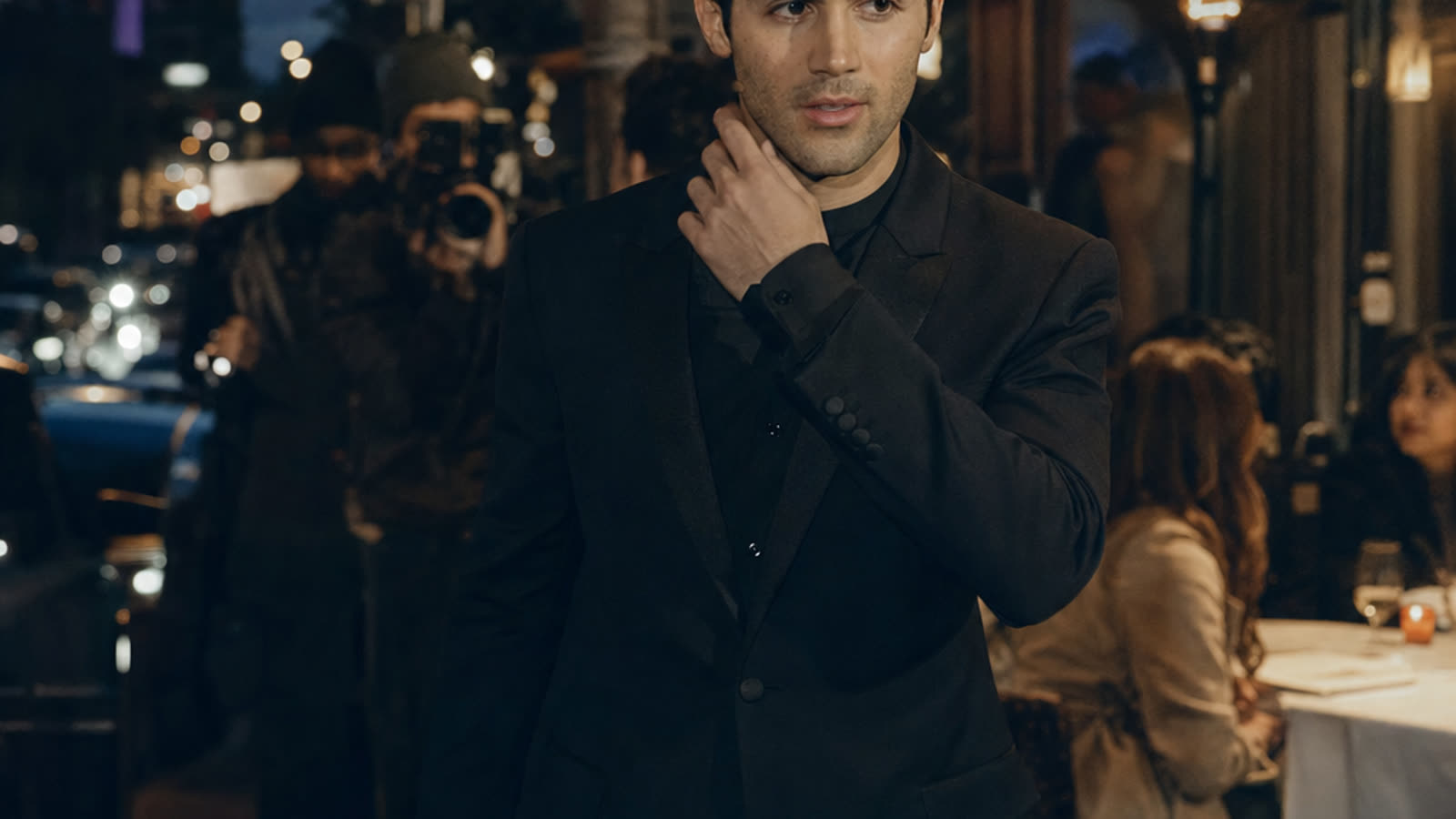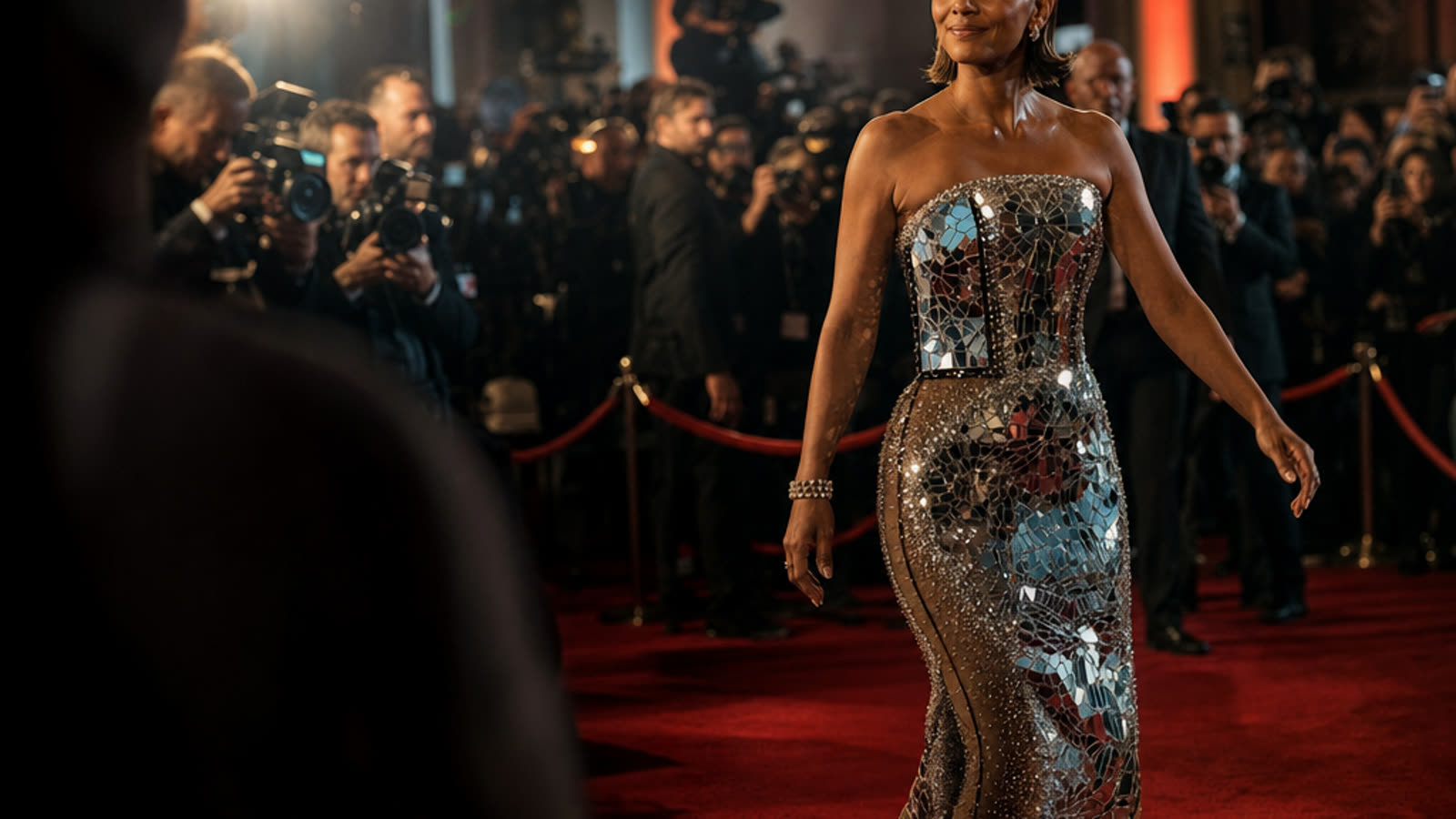
The latest round of Bella Thorne beach photographs circulating this week offers the same formula she's perfected since leaving the Disney ecosystem: sun-drenched skin, strategic angles, zero apology. What's worth examining isn't the content itself but the durability of a transition that most child stars bungle catastrophically.
Thorne, now 28, has been playing this game longer than many of her imitators have been famous. While peers from her Shake It Up era either retreated into relative obscurity or stumbled through tabloid disasters, she executed something closer to a controlled demolition of her wholesome image—then built something commercially viable on the cleared ground.
The OnlyFans precedent
When Thorne joined OnlyFans in 2020, she reportedly earned over a million dollars in her first day, crashing the platform's payment systems. The backlash was immediate and came from an unexpected direction: sex workers who'd built sustainable businesses on the platform accused her of tourism, of using her celebrity to extract value without understanding the ecosystem. OnlyFans subsequently changed its payment policies, and Thorne became a case study in how mainstream celebrity intersects awkwardly with creator economies.
But the controversy itself became content. Thorne absorbed the criticism, adjusted her approach, and continued monetizing her image across platforms—Instagram, film projects, music releases, fashion collaborations. The bikini shots are just the visible tip of a diversified attention portfolio.
The Disney-to-provocateur pipeline
Thorne joins a specific lineage: Miley Cyrus, Selena Gomez, Demi Lovato, Vanessa Hudgens—all women who spent their adolescence as intellectual property of the Disney machine, then had to negotiate their adult identities in public. Each took a different path. Cyrus went maximalist transgressive before pivoting to country-rock respectability. Gomez channeled her evolution into mental health advocacy and beauty entrepreneurship. Thorne chose consistent provocation, but provocation with commercial infrastructure underneath it.
The difference between Thorne and a cautionary tale is intentionality. She's directed films, written books, launched a cannabis brand. The sexy content isn't a cry for help; it's a product line.
Our take
There's something almost admirable about Thorne's refusal to perform the expected redemption arc. She hasn't apologized for her aesthetic choices, hasn't announced a pivot to serious acting, hasn't done the magazine cover explaining how she's "grown." She simply continues being exactly who she's been since she decided who that was—which, in an industry that demands constant reinvention from women, registers as its own kind of statement. The hot shots will keep coming. The question was never whether they would, but whether anyone would notice that the woman posting them built a business, not just a feed.