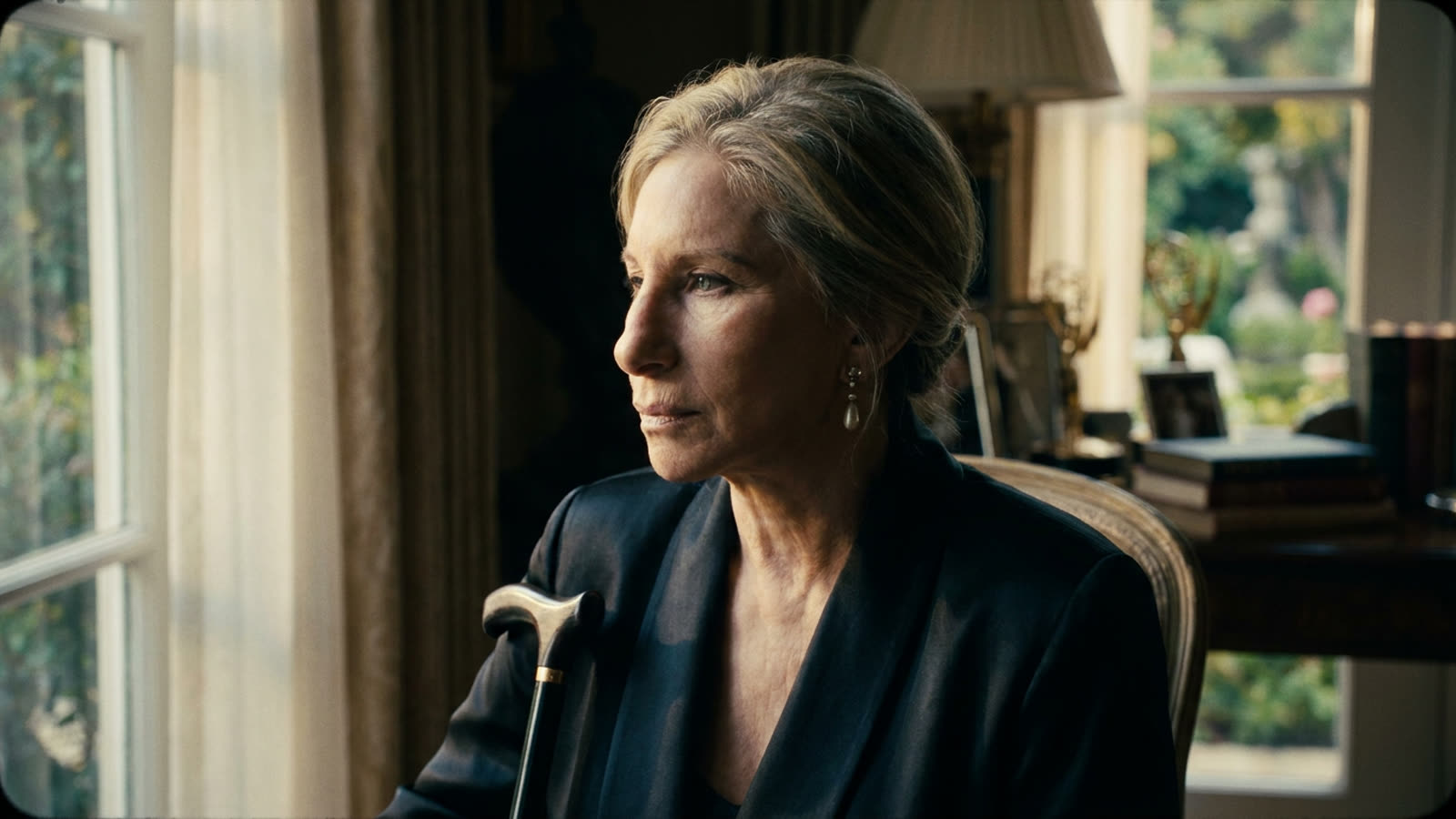
There is something almost too perfectly Streisand about the whole situation: the festival rolls out its most prestigious carpet, prepares its most gilded trophy, and the honoree sends word that she cannot make it. A knee injury, her doctors advise rest, and so the woman who has spent six decades commanding rooms will instead let the room feel her absence.
The honorary Palme d'Or is Cannes' way of genuflecting to careers that have shaped cinema itself. Previous recipients include Jeanne Moreau, Bernardo Bertolucci, and Alain Delon—artists whose work became inseparable from the festival's own mythology. Streisand, who directed Yentl and The Prince of Tides while simultaneously reigning as one of the best-selling recording artists in history, fits the mold and then some. She is not merely a filmmaker who acted or a singer who dabbled in direction; she is a polymath whose perfectionism became its own art form.
The ceremony that wasn't
Cannes closing nights thrive on presence. The Palais des Festivals is designed for entrances, for standing ovations that ripple through two thousand seats, for the recipient to say something gracious and slightly self-deprecating before the champagne flows. Without Streisand physically there, the festival will likely screen a tribute reel, read her statement aloud, and applaud an empty chair—or perhaps a proxy. It will be dignified. It will also be hollow in the way that all tributes-in-absentia inevitably are.
Streisand's statement struck a wistful note: she had been looking forward to spending time with colleagues she admires and returning to France, "a place I have always loved." The phrasing is telling. This was not merely an awards pickup; it was a homecoming to a country and a film culture that embraced her directorial ambitions when Hollywood remained skeptical of women behind the camera.
Legacy beyond the Croisette
The injury is, of course, banal—knees fail, bodies age, and even icons must listen to their doctors. But the timing invites reflection on what these lifetime-achievement moments are actually for. They are partly for the honoree, yes, but mostly for the institution doing the honoring. Cannes gets to claim Streisand as part of its lineage; Streisand, meanwhile, already knows what she has accomplished. The Palme d'Or will be shipped, displayed, and eventually become another artifact in a career that needs no further validation.
At 84, Streisand has outlived most of her critics and several of her collaborators. Her last directorial effort was 1996's The Mirror Has Two Faces, and she has shown little interest in returning to the director's chair. The honorary Palme acknowledges work already complete, a body of art that will not grow larger. In that sense, whether she accepts it on the Croisette or from her living room changes nothing about the work itself.
Our take
Cannes will survive the awkwardness, and Streisand will survive the missed photo opportunity. What lingers is the reminder that lifetime honors are fundamentally about mortality—about catching someone while they are still here to be caught. The festival wanted its moment with a legend; the legend's knee had other plans. Sometimes the most Streisand move is simply not showing up.