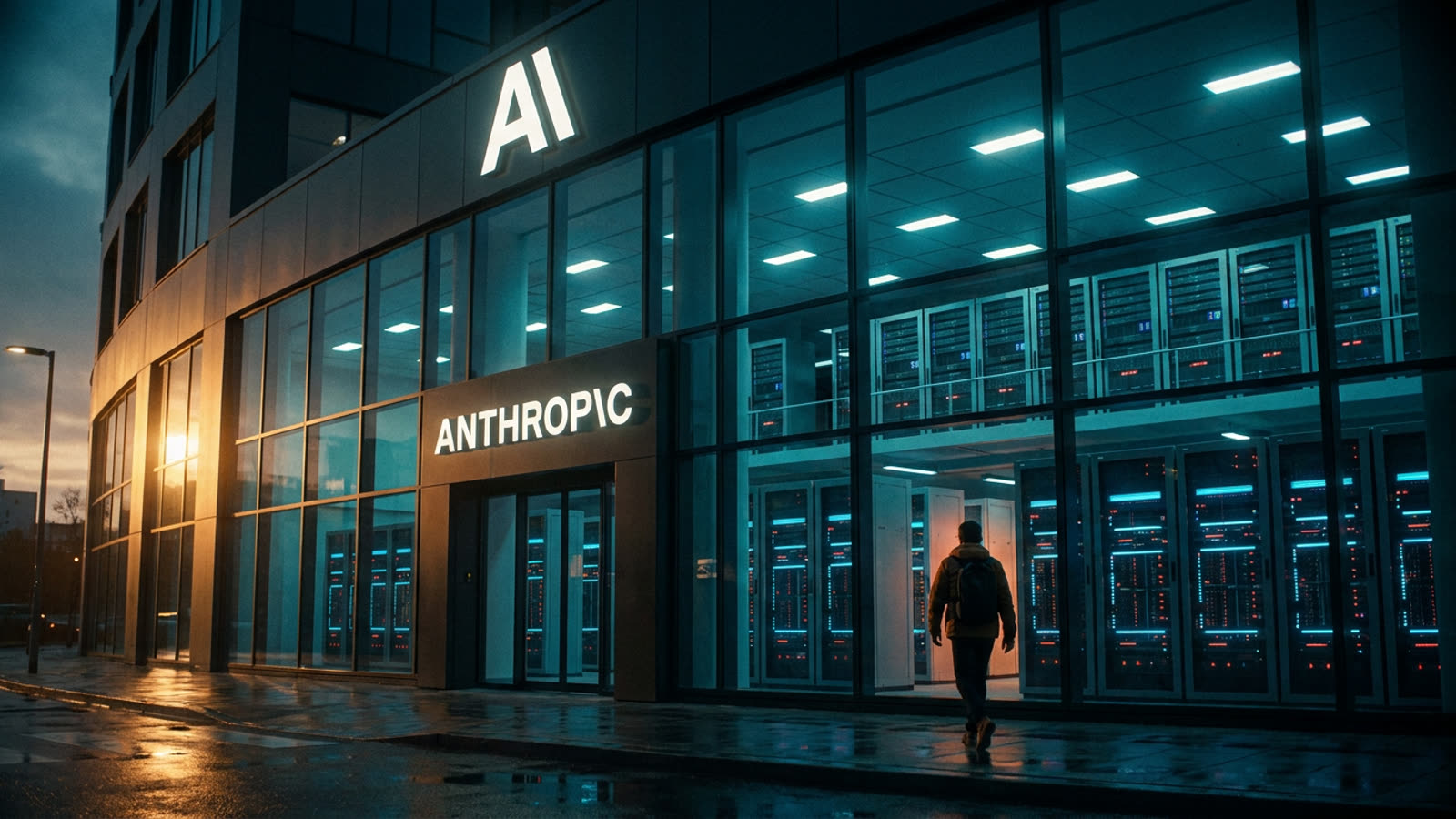
Anthropic, the San Francisco company that has positioned itself as the responsible alternative in the generative-AI arms race, has filed paperwork to go public—a move that will subject its lofty safety rhetoric to the unforgiving scrutiny of quarterly earnings calls.
The filing, reported Friday, makes Anthropic the first of the major foundation-model labs to formally pursue an initial public offering. OpenAI has flirted with various corporate restructurings; Google DeepMind remains tucked inside Alphabet; xAI is still burning through Elon Musk's capital. Anthropic's decision to seek public capital suggests either supreme confidence in its commercial traction or a recognition that the private fundraising window—where safety-focused pitch decks commanded multi-billion-dollar valuations—may be closing.
The numbers that matter
Anthropic was last valued at roughly $60 billion in private rounds, buoyed by Amazon's multi-billion-dollar commitment and Google's strategic investment. An IPO will test whether public investors, who have watched Nvidia's market cap balloon on AI infrastructure demand, are equally enthusiastic about the companies building the models themselves. The answer is not obvious: unlike chipmakers, foundation-model labs face brutal compute costs, murky moats, and the ever-present risk that the next architectural breakthrough renders their current models obsolete.
Claude, Anthropic's flagship assistant, has carved out a niche among developers and enterprises who prize its longer context windows and more cautious guardrails. But revenue figures remain closely guarded, and competitors are not standing still. OpenAI continues to dominate consumer mindshare; Google is bundling Gemini into everything; Meta is giving models away for free.
Safety as a selling point—and a constraint
Anthropic was founded in 2021 by former OpenAI researchers, including siblings Dario and Daniela Amodei, who departed over disagreements about safety culture. The company has since built its brand around "Constitutional AI" and interpretability research—work that appeals to regulators and cautious enterprise buyers but may look like self-imposed handicaps to growth-hungry shareholders.
Going public will force Anthropic to articulate, in SEC filings, exactly how it balances safety investments against competitive speed. Investors will want to know whether the company's principles are a durable differentiation or a drag on margins. The tension is not hypothetical: every dollar spent on red-teaming is a dollar not spent on training the next model.
Our take
Anthropic's IPO is a referendum on whether "responsible AI" can be a business model, not just a press release. If the offering prices well, it validates a path where safety-conscious labs can compete for capital without abandoning their principles. If it stumbles, expect the industry's remaining private players to take note—and to quietly shelve their own safety white papers in favor of shipping faster. Either way, the era of AI labs operating in the comfortable ambiguity of private valuations is ending. Wall Street is about to grade the homework.