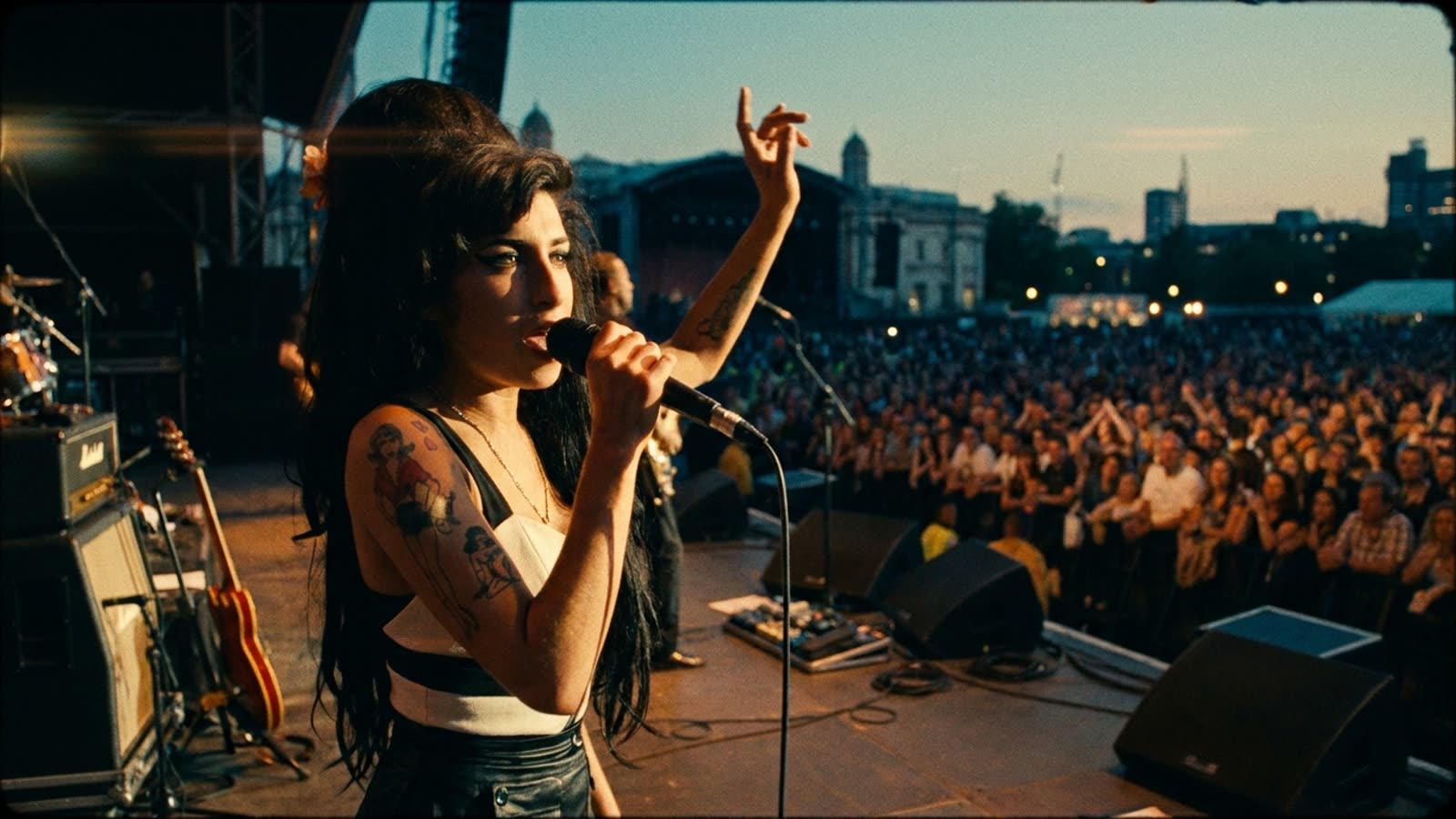
Two decades after Amy Winehouse released the most commercially successful British album of the twenty-first century, a crowd gathered at a London venue on Wednesday night looking like they had stepped out of 2006. Winged eyeliner, leopard print, beehives, actual cigarettes—the aesthetic tribute was as faithful as the musical one that followed. Mark Ronson, Jessie Reyez, and Jorja Smith were among those who took the stage to perform songs from Back to Black, and by all accounts, nobody tried to update the material for contemporary tastes. They played it straight, because the album demands nothing less.
The evening served as both memorial and argument: that Winehouse, who died in 2011 at twenty-seven, was not merely a tabloid fixture but a genuine architect of modern pop's emotional vocabulary.
The album that rewrote the rules
Back to Black sold more than sixteen million copies worldwide and swept the 2008 Grammys, but its influence outpaced its sales. The record's fusion of Motown girl-group arrangements with confessional, often brutal lyricism created a template that Adele, Sam Smith, and countless others would spend the next two decades mining. Ronson's production—warm, analog, deliberately retro—became the dominant sound of prestige pop for years. The anniversary concert reportedly leaned into that sonic signature, eschewing modern embellishments for the brass-and-strings palette that made the original so distinctive.
Why the nostalgia feels different
Celebrity death anniversaries are a reliable content engine, but Winehouse occupies an unusual space in the cultural memory. She was simultaneously overexposed and underappreciated during her lifetime, her struggles with addiction treated as public entertainment rather than private tragedy. The twentieth anniversary of Back to Black arrives at a moment when the entertainment industry is engaged in performative hand-wringing about how it treats young stars, yet the underlying machinery remains largely unchanged. Wednesday's concert was, in part, an act of collective atonement—an acknowledgment that the same media ecosystem that platforms tribute shows also contributed to the conditions that made them necessary.
Our take
There is something faintly absurd about an industry that chewed Winehouse up now gathering to celebrate her genius, but absurdity has never stopped a good memorial concert. The more interesting question is whether Back to Black would be made today, or whether the algorithmic pressures of streaming would sand down its jagged edges into something more playlist-friendly. The answer, almost certainly, is no—which is precisely why the album still matters, and why a room full of people in leopard print showed up to say so.