The American consumer, long celebrated as the engine of global growth, is quietly switching fuel sources—from wages and savings to plastic. A mounting body of evidence shows that households are increasingly turning to credit cards, buy-now-pay-later plans, and personal loans not to finance vacations or appliances, but to cover gas, groceries, and utility bills. The shift marks a subtle but significant inflection point: consumption is no longer a sign of prosperity but of survival.
The mechanics of managed desperation
Credit card balances in the United States have climbed past $1.1 trillion, a record, while delinquency rates on consumer loans are ticking upward at their fastest pace since the 2008 financial crisis. What distinguishes this cycle from previous debt buildups is the composition of the borrowing. Analysts tracking transaction-level data report that a rising share of revolving balances is attributable to non-discretionary spending—supermarket runs, pharmacy visits, gasoline fill-ups. Households are not splurging; they are treading water.
The phenomenon is not confined to low-income earners. Middle-income families, squeezed between sticky inflation in food and housing and wage growth that has failed to keep pace, are dipping into credit lines they once reserved for emergencies. The result is a consumer base that looks robust in aggregate spending figures but is, in practice, leveraging future income to meet present needs.
Why the Fed should be watching closely
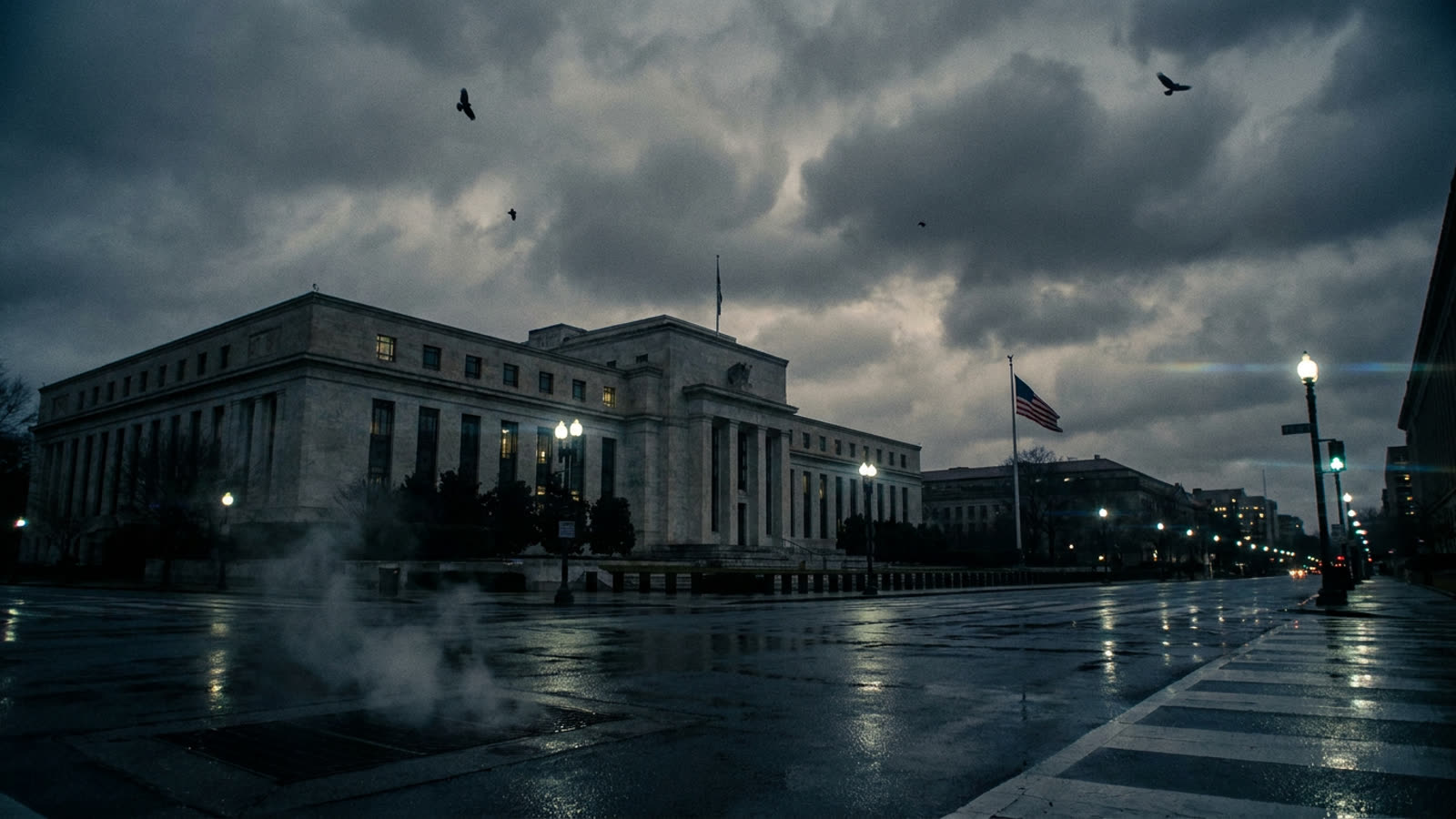
For policymakers, the credit-fueled consumer presents a dilemma. Headline retail sales remain resilient, which argues against rate cuts. But the underlying health of household balance sheets is deteriorating, which argues against keeping rates elevated indefinitely. The longer borrowing costs stay high, the faster the debt treadmill accelerates—and the more violent the eventual correction when households can no longer service their obligations.
There is also a political dimension. Consumer sentiment surveys show Americans increasingly pessimistic about their personal finances even as they continue to spend. That disconnect—spending out of necessity rather than confidence—could shape electoral dynamics as the 2026 midterms approach. Voters who feel trapped on a financial hamster wheel rarely reward incumbents.
Our take
The U.S. economy has become remarkably adept at masking fragility with momentum. Credit-driven consumption can sustain GDP growth for quarters, even years, but it cannot do so indefinitely. At some point, the bill comes due—either through a wave of defaults, a sharp pullback in spending, or both. The current data suggest that point is closer than the stock market, or the Federal Reserve, seems willing to acknowledge. The consumer is still standing, but the ground beneath is shifting.