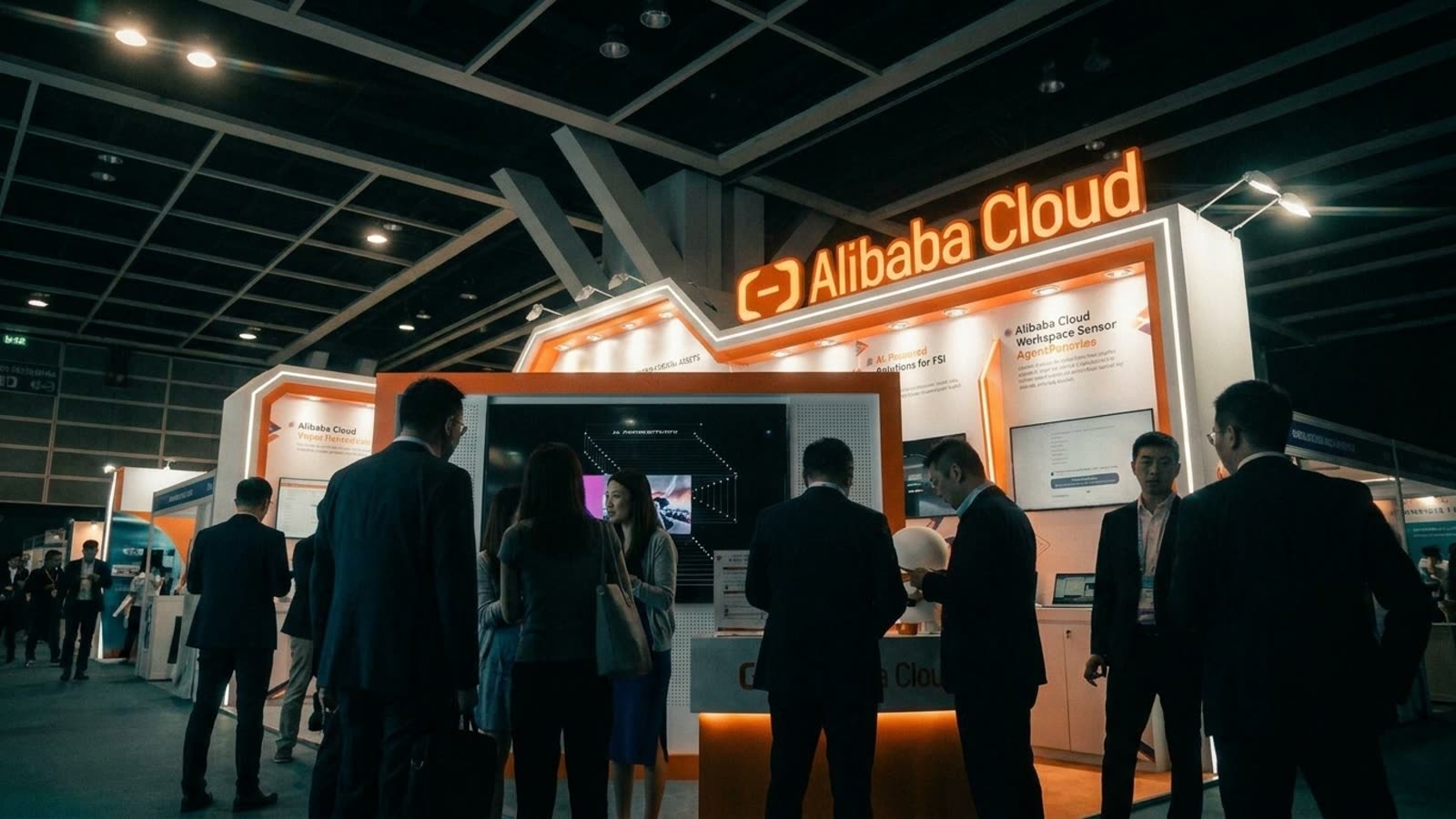
The Department of Defense has added some of China's most prominent technology companies to its list of firms supporting the Chinese military, a move that transforms what was once a targeted sanctions regime into something resembling a wholesale economic confrontation.
Alibaba, Baidu, BYD, and robotics firm Unitree now join dozens of other Chinese entities on the Pentagon's so-called 1260H list, named for the section of the 2021 defense authorization act that mandates its compilation. The designation does not automatically trigger sanctions, but it sends an unmistakable signal to American investors, partners, and suppliers: doing business with these companies carries escalating risk.
What the designation actually does
The 1260H list is not the same as the Commerce Department's entity list, which restricts exports, or the Treasury's sanctions regime, which freezes assets. Its immediate legal consequences are limited—federal contractors face some restrictions, and the Defense Department itself cannot procure from listed companies. But the designation's real power is reputational and anticipatory. It marks companies as potential future sanctions targets and encourages private-sector decoupling before any formal prohibition exists.
For Alibaba and Baidu, which maintain significant cloud computing and AI research operations, the designation complicates partnerships with American universities and technology firms. For BYD, the world's largest electric vehicle manufacturer by volume, it raises questions about the company's ambitions in Western markets just as it has begun establishing manufacturing presence in Europe and exploring North American expansion.
The broader pattern
This expansion continues a trajectory that began during the first Trump administration and accelerated under Biden. But the addition of household names like Alibaba—whose shares trade on the New York Stock Exchange—marks a qualitative shift. Previous designations focused on defense contractors, surveillance technology firms, and semiconductor manufacturers with obvious military applications. The current list now encompasses companies whose primary business is consumer-facing.
The Pentagon's rationale rests on China's military-civil fusion doctrine, which the Defense Department argues erases meaningful distinctions between commercial technology development and military capability. Critics contend this logic could eventually encompass virtually any successful Chinese technology company, regardless of its actual relationship with the People's Liberation Army.
Our take
The designation is less about these specific companies than about establishing a framework for managed decoupling. Washington has concluded that the interdependence of the American and Chinese technology sectors represents a strategic vulnerability, and it is methodically constructing the legal and bureaucratic architecture to reduce that interdependence. Whether this serves American interests depends entirely on whether the United States can rebuild domestic capacity faster than it dismantles access to Chinese supply chains—a race whose outcome remains genuinely uncertain.