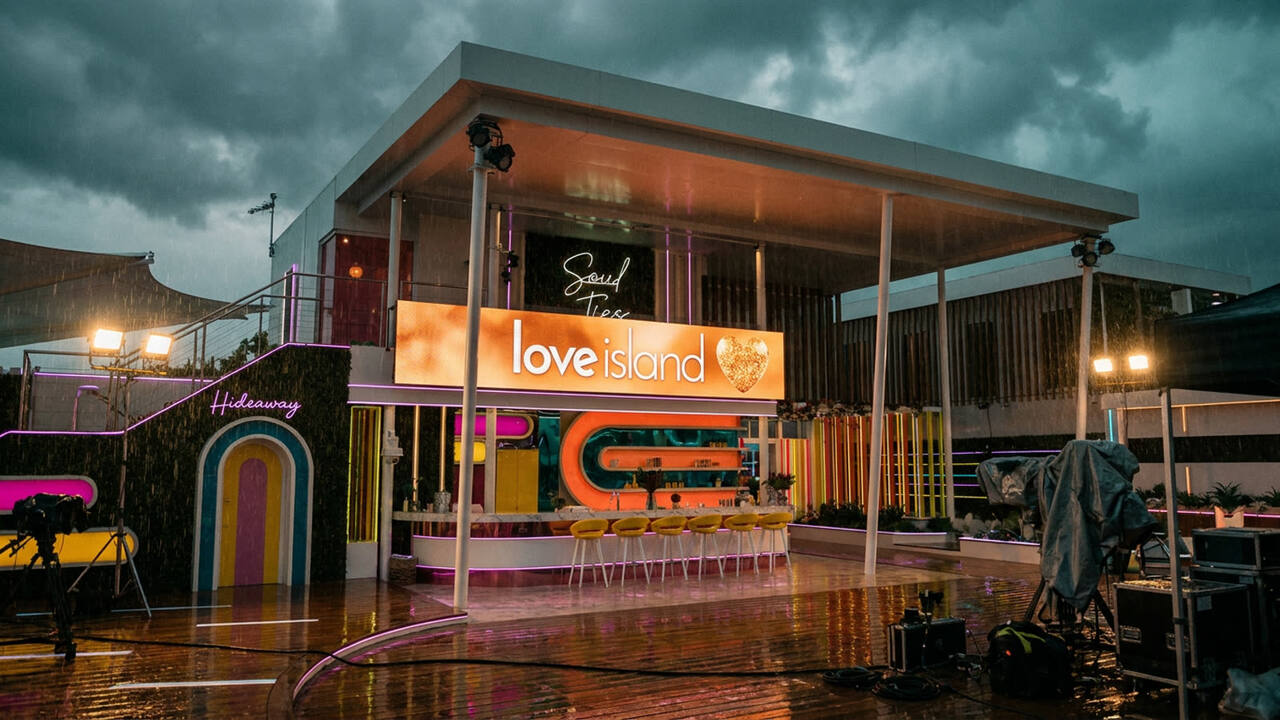
Reality television has always operated under a tacit agreement: contestants surrender their privacy, and producers surrender their moral authority. For two decades, the genre has thrived on bad behavior — the fights, the slurs, the moments that would end careers in any other industry become content, then controversy, then forgotten. Love Island's decision to remove contestant Alannah for using the N-word suggests that calculus may finally be shifting, though whether this represents genuine change or merely better risk management remains an open question.
The removal itself was swift by reality-TV standards. Alannah was booted from the villa after fellow contestants or production staff reported the slur, a departure from the genre's historical preference for letting such incidents play out on camera before addressing them in reunion specials months later. The speed suggests producers learned something from the franchise's troubled history with race — or at least from the advertising revenue lost when sponsors flee controversy.
The franchise's complicated record
Love Island UK has faced persistent criticism over its treatment of Black contestants and its handling of racial incidents. Former islanders have spoken publicly about experiencing microaggressions in the villa and watching producers minimize or ignore racial dynamics in favor of more telegenic drama. The show's casting has improved in recent years, but representation without protection has always been an incomplete solution.
The American version, where this incident occurred, inherited both the format and its problems. Previous seasons have seen contestants face backlash for racially insensitive comments that went unaddressed during filming, leaving Black cast members to navigate hostile environments while cameras rolled. That Alannah's removal happened during production rather than after suggests either the slur was undeniable or the network's tolerance has genuinely narrowed.
What removal actually means
Expulsion from a reality show is not the professional death sentence it might appear. The genre's ecosystem rewards notoriety almost as readily as likability — contestants removed for misconduct have historically leveraged their infamy into podcast appearances, brand deals, and spots on other shows. The question is whether that pathway remains open as audiences and advertisers grow less forgiving.
The more significant shift may be what removal signals to other contestants and to the industry. Reality TV has long operated as a consequence-free zone, where behavior that would result in immediate termination in a corporate setting becomes entertainment. If networks begin enforcing standards in real time rather than issuing post-hoc apologies, the genre's fundamental dynamic changes. Contestants might actually moderate their behavior — a development that would be good for society and potentially terrible for ratings.
Our take
Love Island deserves credit for acting quickly, but the bar here is extraordinarily low. Removing someone for using a slur should not be newsworthy; that it is reveals how thoroughly reality television has normalized misconduct as content. The real test is not whether networks punish the most egregious incidents but whether they create environments where such incidents become rare. That requires casting with care, training with intention, and accepting that some drama is not worth the damage. Love Island took one step. The journey is considerably longer.