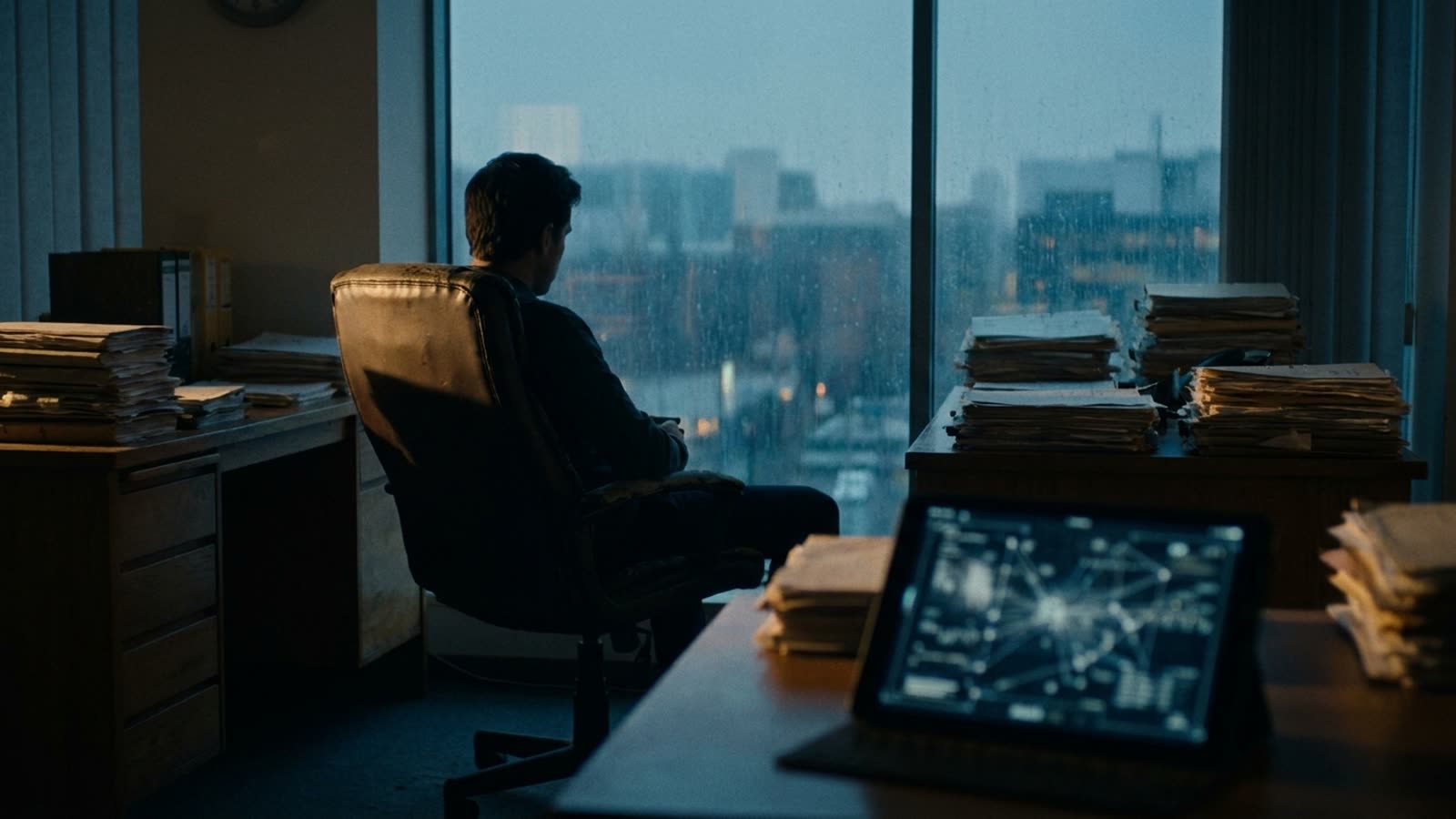
Patent examination has always been a peculiar job. Examiners spend their days reading dense technical documents, searching vast databases of prior art, and making judgments that can be worth billions of dollars to the companies awaiting their verdicts. It requires deep technical expertise, legal acumen, and the patience to wade through claims written in a dialect of English designed to be simultaneously precise and maximally broad. It is also, increasingly, a job being transformed by the very technologies it evaluates.
The shift has been gradual enough that it has attracted little public attention. Patent offices around the world have been integrating machine learning tools into their workflows for years, initially for mundane tasks like classification and prior art search. But the capabilities have expanded steadily. Systems now assist with claim analysis, identify potential obviousness issues, and flag applications that bear suspicious similarity to existing patents. The examiner remains in the loop, but the loop has grown considerably shorter.
The economics of examination
The appeal is straightforward. Major patent offices face crushing backlogs — applications pile up faster than human examiners can process them. The United States Patent and Trademark Office alone receives hundreds of thousands of applications annually, each requiring hours of skilled human attention. Training new examiners takes years. Meanwhile, applicants wait, sometimes for half a decade or more, to learn whether their innovations will receive legal protection.
AI systems can process the initial triage in minutes. They can surface relevant prior art that a human examiner might have missed, or might have found only after hours of searching. They can identify patterns across thousands of applications that no individual examiner could perceive. The productivity gains are substantial, and patent offices operating under perpetual budget pressure have embraced them eagerly.
The quality question
Critics worry about what gets lost. Patent examination is not merely a search problem; it requires judgment about what constitutes genuine novelty, about the boundaries of technical fields, about the difference between an obvious combination and a genuine inventive leap. These are questions that have bedeviled patent law for centuries, and they do not yield easily to algorithmic treatment.
There is also the matter of adversarial dynamics. Patent applicants have strong incentives to draft their claims in ways that evade detection of prior art. If AI systems become central to examination, applicants will inevitably learn to game them. The history of search engine optimization offers a cautionary precedent: every algorithmic gatekeeper eventually faces an ecosystem of actors devoted to circumventing it.
Our take
The transformation of patent examination is a microcosm of AI's broader impact on knowledge work. The technology excels at tasks that are well-defined, data-rich, and amenable to pattern recognition. Patent search fits this description perfectly. But the harder questions — what deserves protection, what advances the useful arts, what balance between inventors and the public serves innovation best — remain stubbornly human. The risk is not that AI will replace patent examiners entirely, but that the profession will be hollowed out, leaving fewer humans with the expertise to handle the cases that genuinely require judgment. That would be a quiet loss, and one that might take years to recognize.