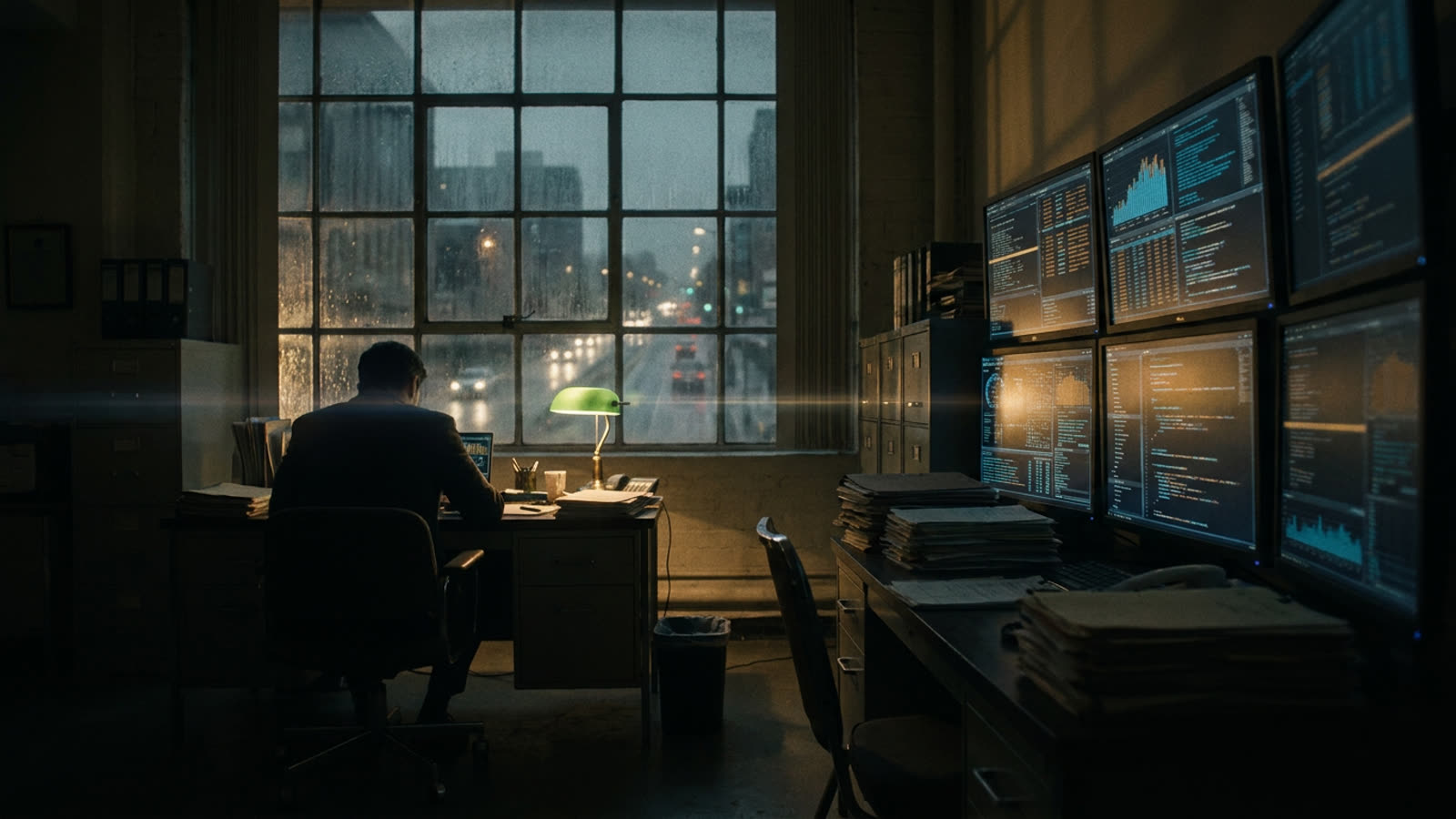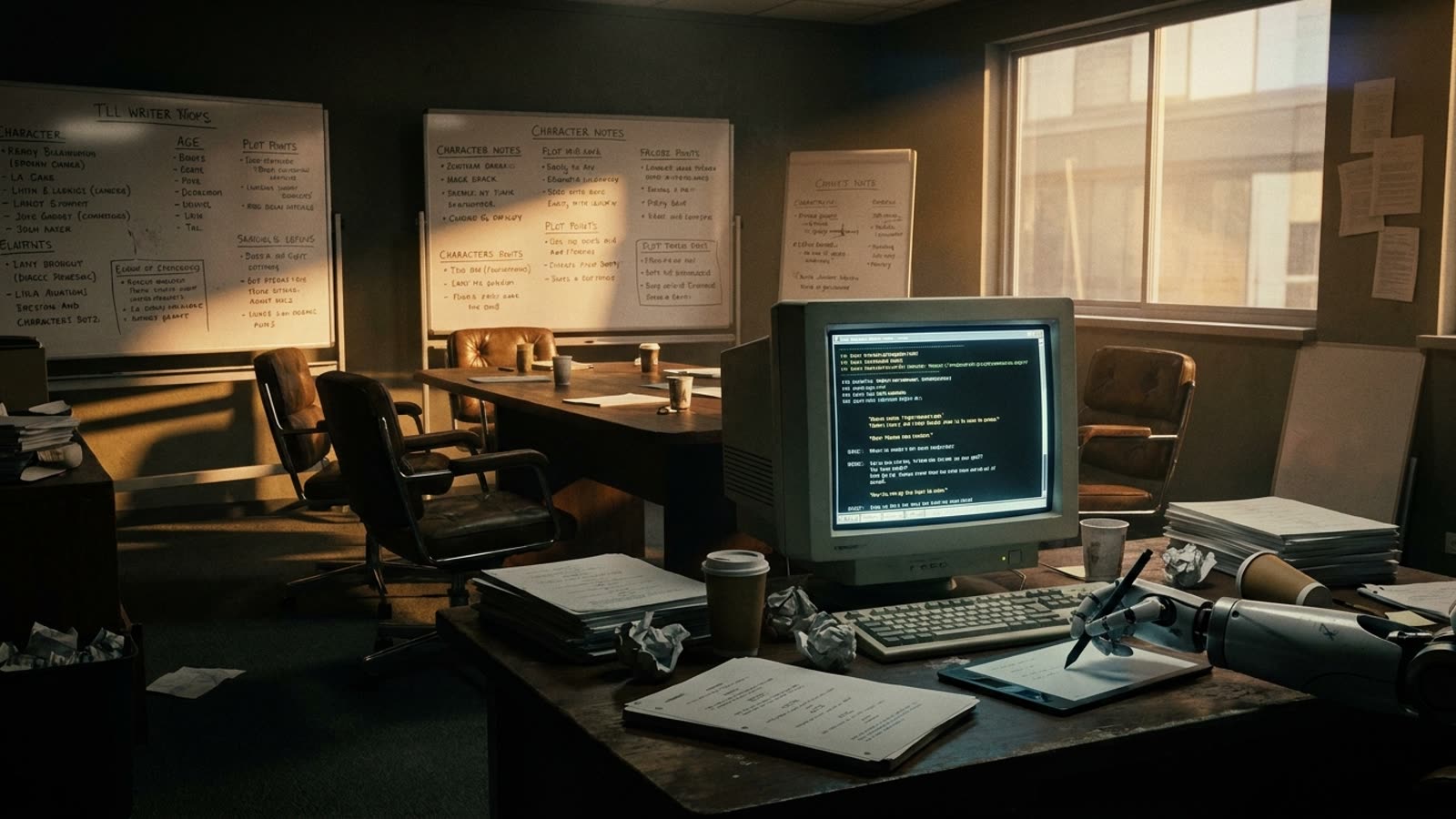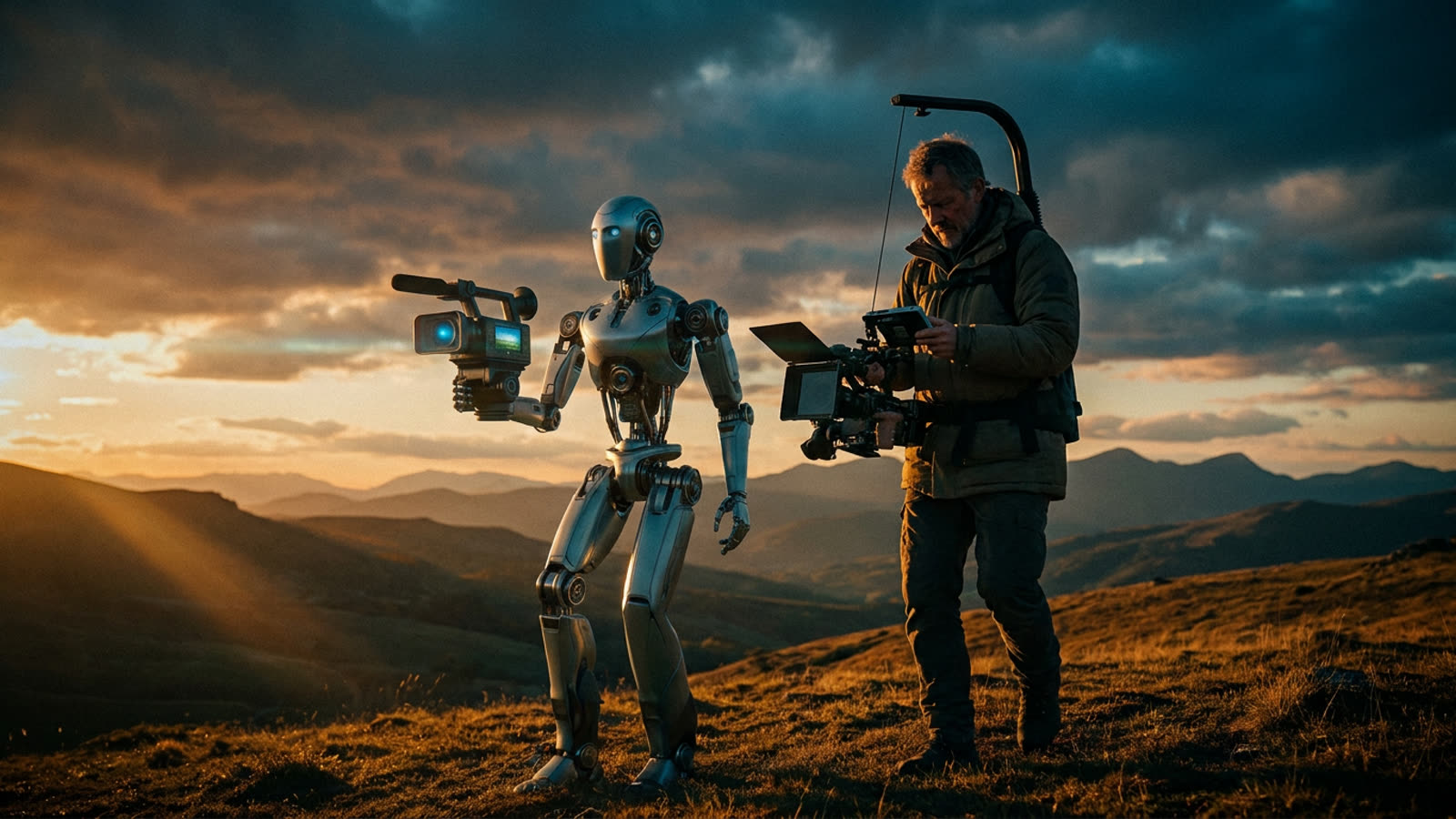
The unglamorous truth about documentary filmmaking is that most of it happens in a dark room, staring at footage. A feature-length documentary might shoot 200 hours of material to produce 90 minutes of finished film. Someone has to watch all of it, log it, transcribe it, and remember where the protagonist said that one perfect thing about her mother. For decades, that someone was an underpaid assistant editor surviving on coffee and obsessive note-taking. Increasingly, that someone is software.
Artificial intelligence has entered documentary production not through the front door of synthetic imagery—the deepfakes and AI-generated presenters that dominate headlines—but through the back door of pure drudgery. The transformation is less cinematic and far more consequential.
The transcription revolution
The first and most complete AI takeover in documentary work is speech-to-text. Services built on large language models now transcribe interview footage with accuracy rates that would have seemed impossible five years ago, handling accents, crosstalk, and poor audio with surprising grace. What once took a human assistant a full day per hour of footage now happens in minutes.
This sounds like mere efficiency, but it changes the creative process. When transcripts are instant and searchable, filmmakers can find patterns across dozens of interviews that would have been invisible before. A director working on a film about factory workers can search every interview for mentions of "hands" or "tired" and discover thematic threads that emerge from the material rather than being imposed upon it. The footage becomes a database, queryable by meaning.
Reading the emotional map
More experimental tools now attempt something subtler: analyzing footage for emotional content. These systems examine facial expressions, vocal tone, pacing, and even the rhythm of cuts to identify moments of high emotional intensity. For a filmmaker sifting through archival material—old news broadcasts, home movies, institutional footage—such tools can surface the human moments buried in hours of mundane content.
The technology remains imperfect. It can identify that someone is crying but cannot tell you whether those tears are grief, joy, or performance. It can flag a raised voice without understanding whether the speaker is angry or merely Italian. Filmmakers who rely on these tools without skepticism risk mistaking algorithmic confidence for emotional truth.
What the machine cannot see
The limits reveal themselves most clearly in the work that matters most. Documentary filmmaking at its best is an act of ethical attention—deciding whose story gets told, from what angle, with what omissions. AI can find the moment when a subject's voice breaks, but it cannot tell you whether including that moment exploits their vulnerability or honors it. It can identify visual patterns across a century of archival footage, but it cannot feel the weight of history.
The filmmakers who have integrated these tools most successfully treat them as what they are: tireless, literal-minded research assistants with no taste and no conscience. The machine handles the indexing so the human can do the seeing.
Our take
The interesting question is not whether AI will replace documentary filmmakers—it will not, any more than word processors replaced novelists. The interesting question is whether the efficiency gains will democratize the form or merely accelerate the content treadmill. A tool that lets a solo filmmaker manage footage that once required a team could enable more diverse, more personal, more adventurous nonfiction work. Or it could simply mean streamers demanding twice as many true-crime series at half the budget. The technology is agnostic. The choices remain ours.