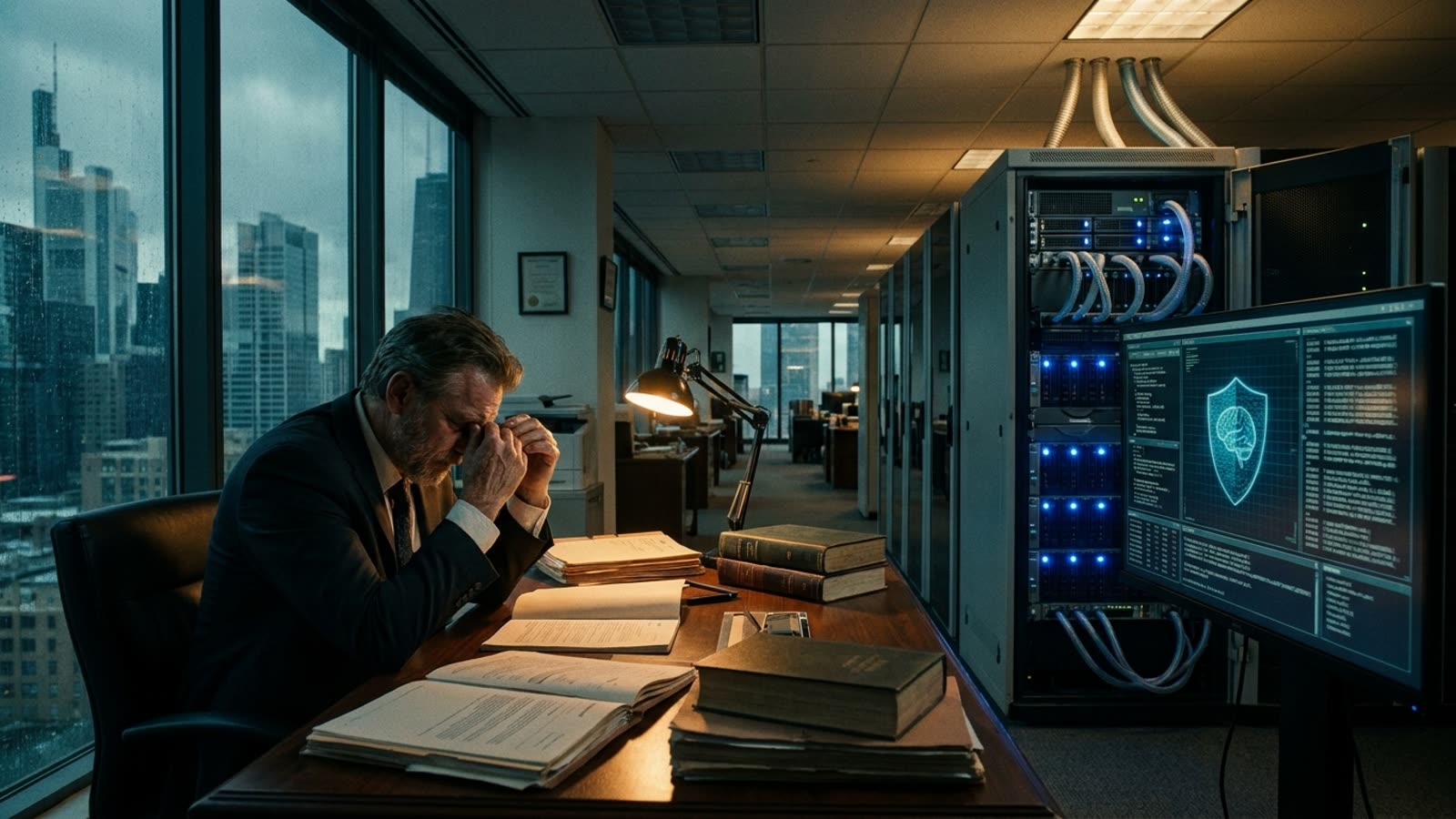
The first task any junior trademark attorney learns is the clearance search: combing through databases of millions of registered marks to determine whether a client's proposed brand name will invite a lawsuit. It is tedious, time-consuming, and absolutely essential. It is also, increasingly, work that machines do better than humans.
Trademark clearance represents a near-perfect use case for current AI capabilities. The work is pattern-matching at scale—identifying phonetic similarities, visual resemblances, and conceptual overlaps across vast datasets. It requires consistency rather than creativity, and the cost of a missed conflict is high enough that clients will pay for thoroughness. These are precisely the conditions under which large language models and specialized search algorithms excel.
The quiet automation
For decades, trademark searches meant human paralegals scrolling through the USPTO's Trademark Electronic Search System, flagging potential conflicts based on experience and intuition. A comprehensive search for a single mark in the United States alone could take eight to twelve hours. Expand that globally, and the hours multiply accordingly.
Modern AI-powered clearance tools compress this timeline dramatically. Systems trained on trademark databases can surface potential conflicts in minutes, scoring them by likelihood of confusion using the same multi-factor tests that courts apply. They catch phonetic similarities that human searchers miss—the kind of near-homophone that only becomes obvious when spoken aloud in a crowded conference room.
The major legal technology vendors have all moved aggressively into this space. Thomson Reuters, LexisNexis, and specialized providers like TrademarkNow and Corsearch now offer AI-enhanced search products that promise both speed and comprehensiveness. Law firms that once employed teams of paralegals for clearance work now route initial searches through these systems as a matter of course.
What remains human
Yet the trademark lawyer's job has not vanished. It has shifted. The machine excels at finding potential conflicts; it struggles to assess whether those conflicts actually matter. Trademark law is contextual in ways that resist algorithmic reduction. Whether two marks create a likelihood of confusion depends on the sophistication of consumers, the channels of trade, the strength of the senior mark, and a dozen other factors that require judgment calls rooted in litigation experience.
A search algorithm might flag that a proposed mark for luxury handbags conflicts with an existing registration for industrial lubricants. A human attorney knows that no court would find confusion between such different markets. The AI surfaces the data; the lawyer interprets its significance.
This division of labor is reshaping how trademark practices operate. Junior associates spend less time on mechanical searching and more time on analysis and client counseling. The work has become more intellectually demanding at the entry level, even as the total hours billed for clearance opinions have declined. Clients benefit from faster turnaround and lower costs. Partners benefit from higher-margin advisory work. The losers, if there are any, are the paralegals whose roles were defined by search volume rather than legal judgment.
Our take
Trademark clearance offers a preview of how AI will reshape professional services more broadly: not through dramatic displacement, but through gradual redefinition of what constitutes skilled work. The attorneys who thrive will be those who treat AI as infrastructure rather than threat—who understand that supervising a machine's output requires different skills than performing the underlying task, and who invest in developing those skills accordingly. The profession is not dying. It is simply becoming something else, as professions always do when technology shifts the boundaries of human comparative advantage.