The market giveth, and the market taketh away with remarkable speed. Two days after investors celebrated the Democratic midterm sweep with a broad rally, the Nasdaq plunged toward its worst session in eighteen months on Thursday, dragged down by a tech sector suddenly gripped by doubt about the durability of artificial intelligence spending.
The S&P 500 suffered its steepest daily decline in more than a year. The culprit was not some exogenous shock or earnings disaster, but something more insidious: a collective reassessment of whether the hundreds of billions pouring into AI infrastructure will ever generate commensurate returns.
The arithmetic of doubt
For two years, the AI trade operated on faith. Nvidia shipped GPUs, hyperscalers built data centres, and investors bid up anything adjacent to large language models. The thesis was simple: transformative technology demands transformative capital expenditure, and the companies enabling that buildout would capture extraordinary value.
But faith requires periodic renewal, and Thursday's action suggested the congregation is thinning. The Democratic sweep, whatever its policy implications, reminded markets that regulatory scrutiny of Big Tech is not going away. More fundamentally, the sheer scale of AI capital expenditure is beginning to alarm even true believers. When Microsoft, Google, and Amazon collectively spend north of $150 billion annually on infrastructure, the question of when—not if—returns materialise becomes unavoidable.
Contagion and correlation
The selloff rippled beyond pure-play AI names. Cryptocurrency markets, which had rallied alongside risk assets after the midterms, surrendered gains as more than a billion dollars in leveraged positions were liquidated. Bitcoin and Ethereum held up relatively better than the Nasdaq—a modest consolation for an asset class that spent years promising decorrelation from traditional markets.
The broader message was one of interconnectedness. In a market where momentum trades dominate flows, the unwind of one crowded position begets the unwind of others. Thursday was a reminder that the AI boom has not existed in isolation; it has pulled capital from across the risk spectrum, and its wobble sends tremors everywhere.
Policy meets positioning
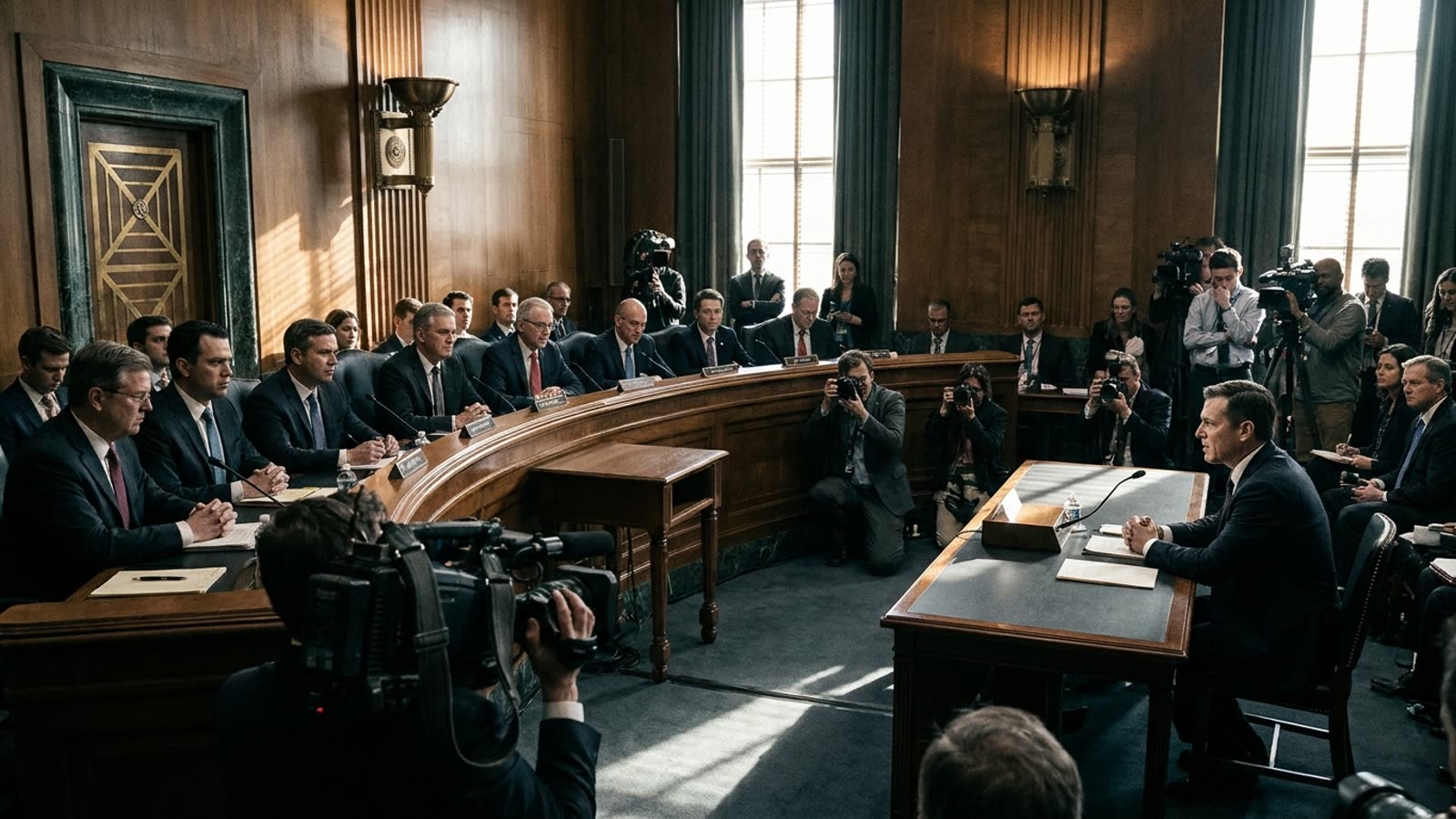
The timing is not coincidental. A Democratic Congress, however narrowly constituted, signals a different posture toward technology companies. Antitrust enforcement, data privacy legislation, and infrastructure permitting all look different under unified Democratic control than they did under a divided government. Investors are not panicking about imminent regulation, but they are repricing the probability that the AI buildout proceeds without friction.
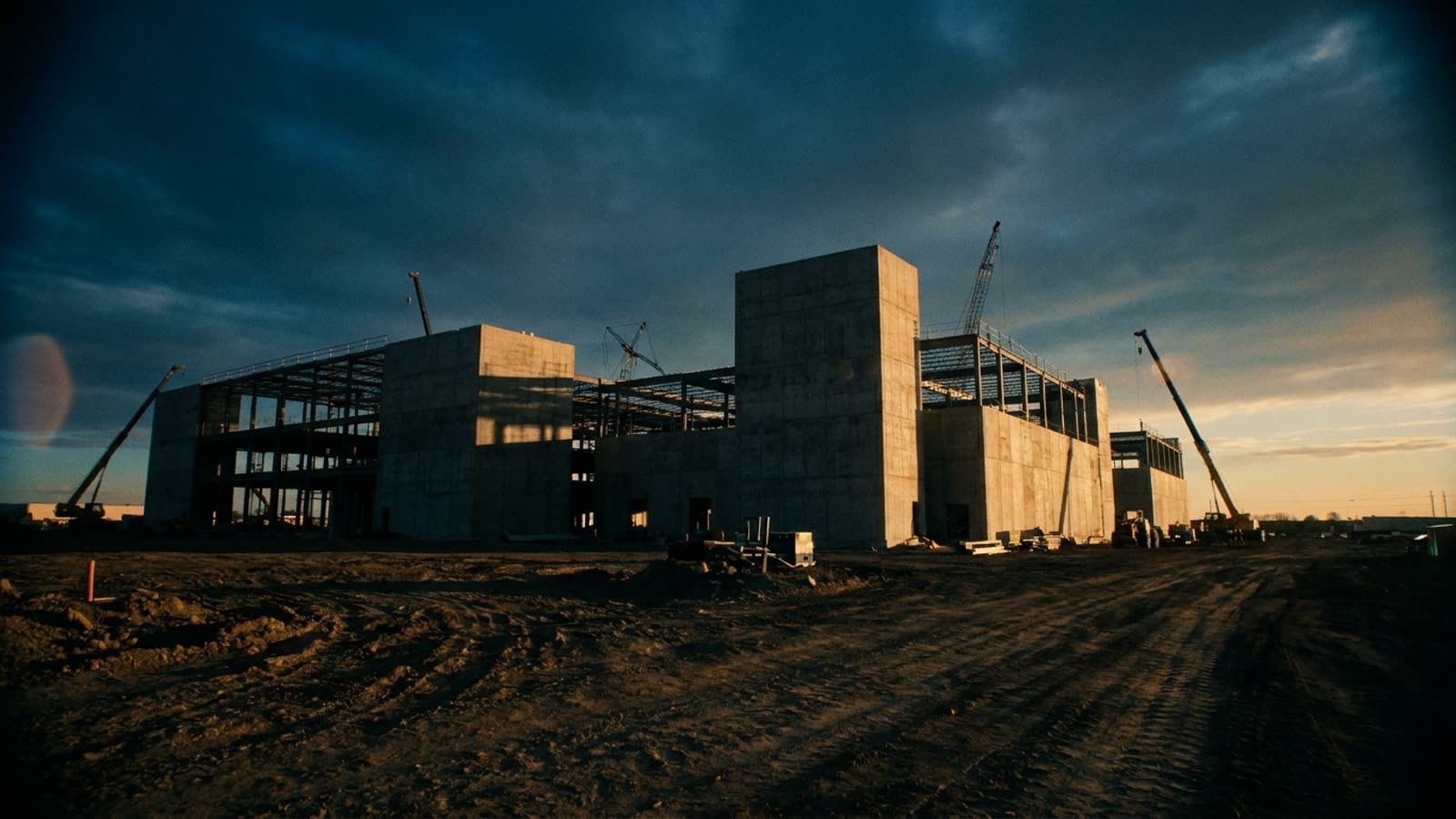
Data centres, in particular, face a newly hostile political environment. Local opposition to power-hungry facilities has merged with progressive scepticism of concentrated corporate power. The result is a regulatory landscape where every new project faces more scrutiny, more delay, and more cost.
Our take
Thursday's carnage was overdue. The AI trade had become a momentum vehicle untethered from near-term fundamentals, and momentum vehicles eventually correct. None of this invalidates the long-term potential of artificial intelligence, but it does suggest that the path from here to profitability will be messier, slower, and more politically contested than the market had priced. The smart money is not abandoning AI; it is simply demanding a better entry point. For those who bought the midterm rally, the lesson is familiar: in markets, timing is not everything, but it is not nothing either.