The most useful thing anyone can learn about artificial intelligence in its current form is not what it can do—those capabilities are demonstrated hourly, in a thousand LinkedIn posts and product launches—but what it cannot. The gap between perception and reality has never been wider, and the consequences of that gap range from the merely embarrassing to the genuinely dangerous.
Modern large language models are, at their core, extraordinarily sophisticated pattern-completion engines. They have ingested more text than any human could read in a thousand lifetimes and learned to predict, with uncanny accuracy, what word should come next. This is not a dismissal; the emergent capabilities that arise from this simple objective are remarkable. But the architecture imposes hard constraints that no amount of scaling has yet overcome.
The reliability problem
The most persistent limitation is what researchers politely call hallucination and what users experience as confident lying. A language model does not know what it knows. It has no mechanism for distinguishing between a fact it has seen repeated ten thousand times and a plausible-sounding fiction it has just invented. When asked about the Treaty of Westphalia, it will likely be accurate. When asked about a minor court case from 2019, it may fabricate citations, dates, and holdings with the same serene confidence.
This is not a bug that better training will eliminate. It is a feature of systems that model language rather than truth. The model is optimizing for coherence and plausibility, not factual accuracy, because it has no access to the world—only to text about the world.
The reasoning question
Whether large language models truly reason or merely simulate reasoning remains contested. What is less contested is that their performance on novel problems—those requiring genuine logical deduction rather than pattern matching against similar examples in training data—degrades sharply. Give a model a standard logic puzzle and it will often succeed, because it has seen thousands of similar puzzles. Modify the puzzle in subtle ways that preserve its logical structure but violate its surface patterns, and performance collapses.
This matters because the most valuable applications of intelligence involve precisely such novel situations. A legal brief, a medical diagnosis, a strategic decision—these require reasoning about combinations of circumstances that may never have appeared together before.
The agency vacuum
Perhaps the deepest limitation is motivational. A language model has no goals, no preferences, no stake in outcomes. It does not want anything. This makes it fundamentally different from the kind of intelligence that built civilizations, conducted science, or even just showed up to work on time. The model will help you plan a murder or a charity drive with equal facility, because it experiences neither as meaningful.
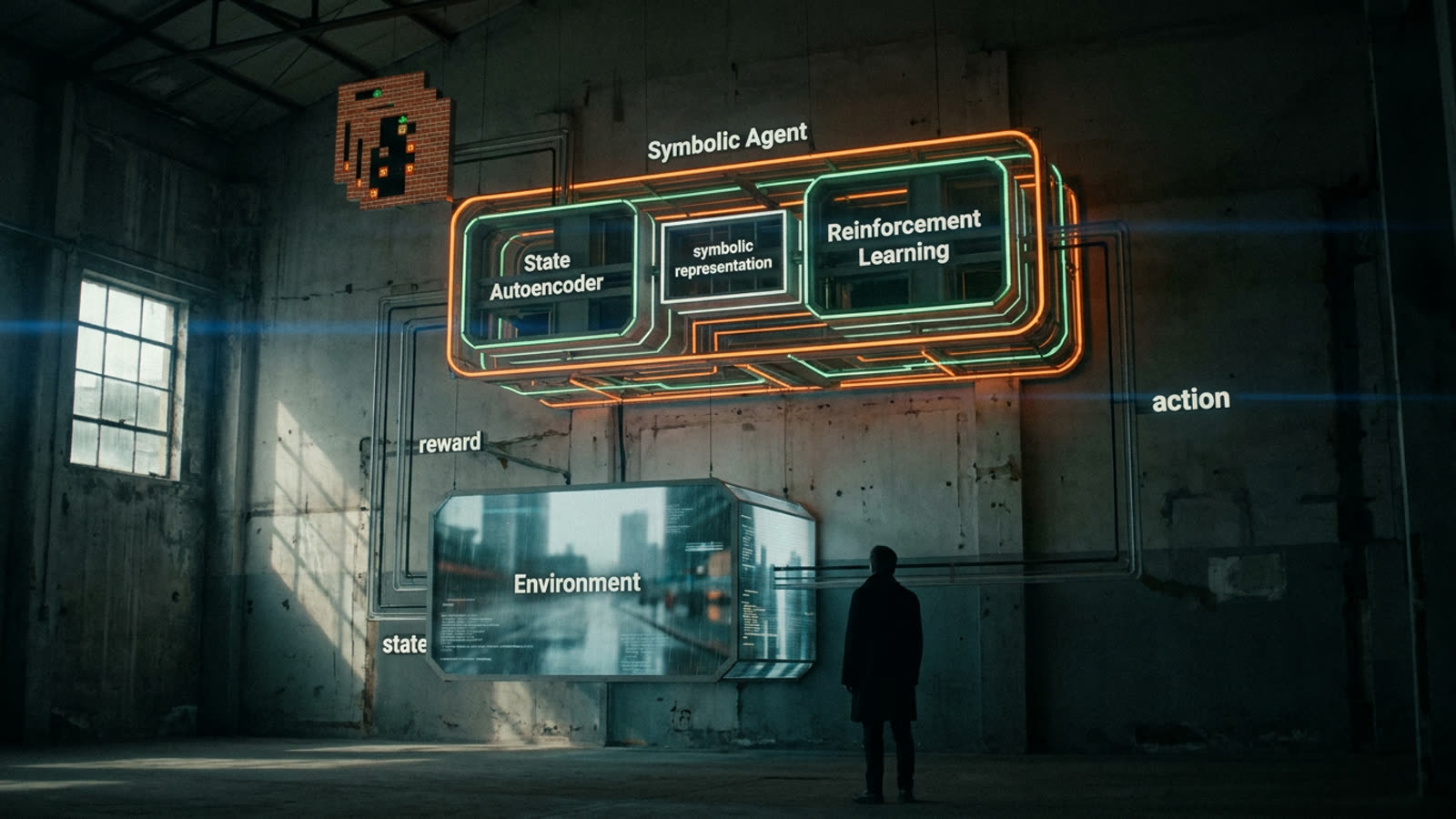
Attempts to bolt agency onto these systems—giving them the ability to take actions in the world, manage long-term projects, pursue objectives—have produced mixed results. The models struggle to maintain coherent goals over extended interactions, lose track of context, and make errors that compound catastrophically.
Our take
None of this means AI is not transformative. It is. But the transformation will be shaped as much by what these systems cannot do as by what they can. The winners will be those who understand the tools clearly: who use models to accelerate drafting but verify every fact, who deploy them for brainstorming but not for judgment, who treat them as brilliant interns rather than infallible oracles. The losers will be those who believed the marketing.