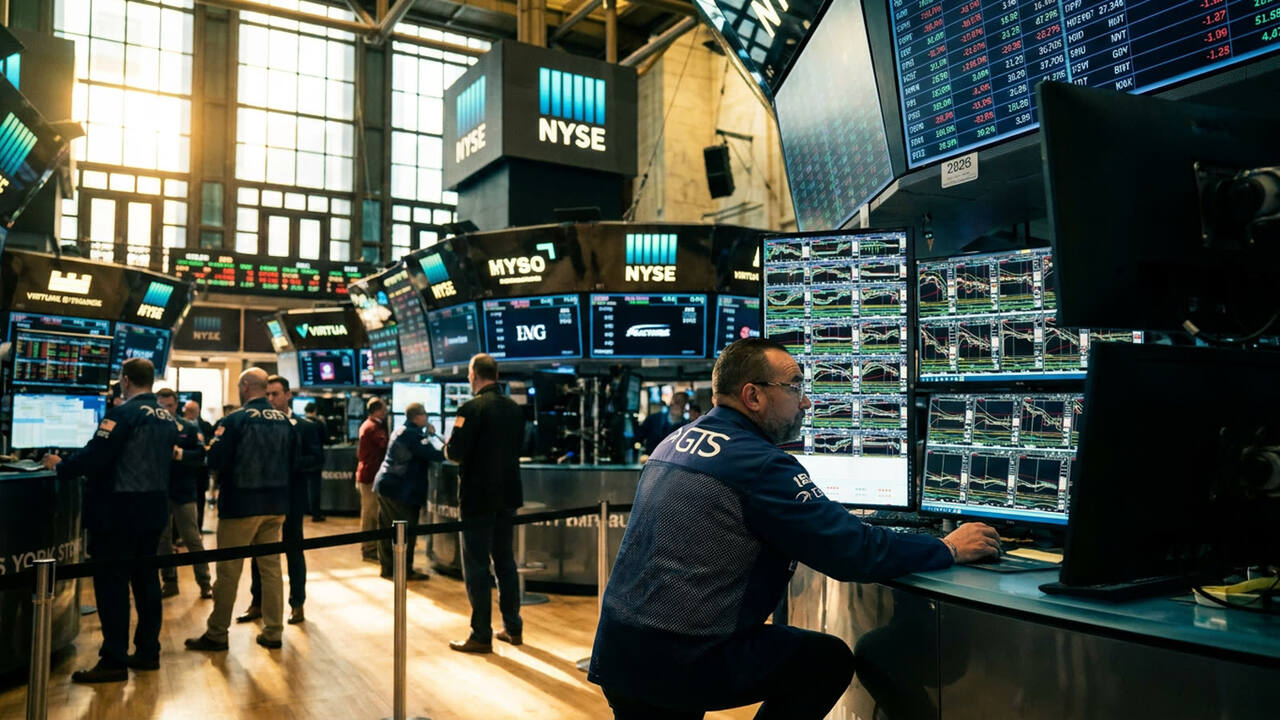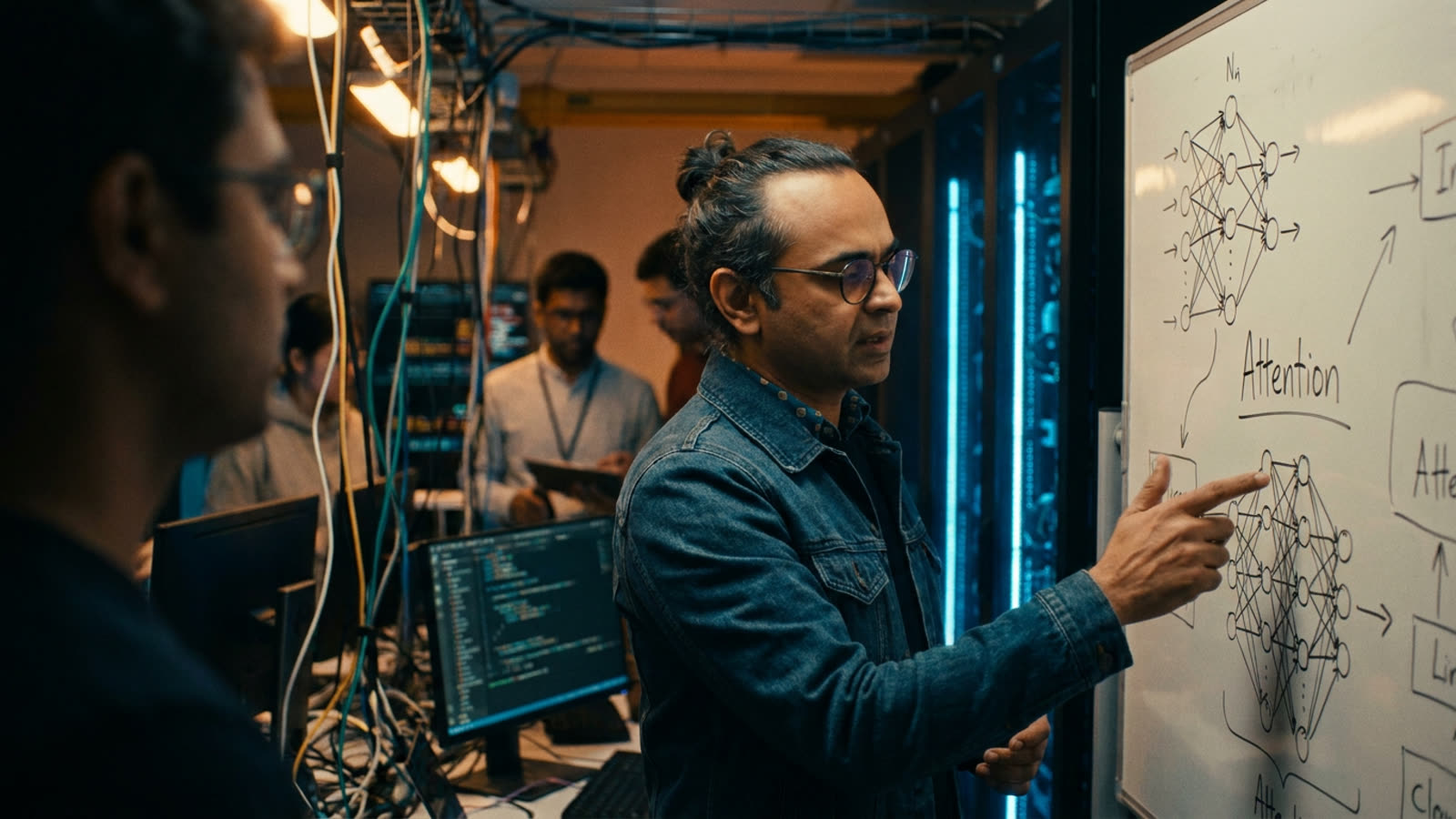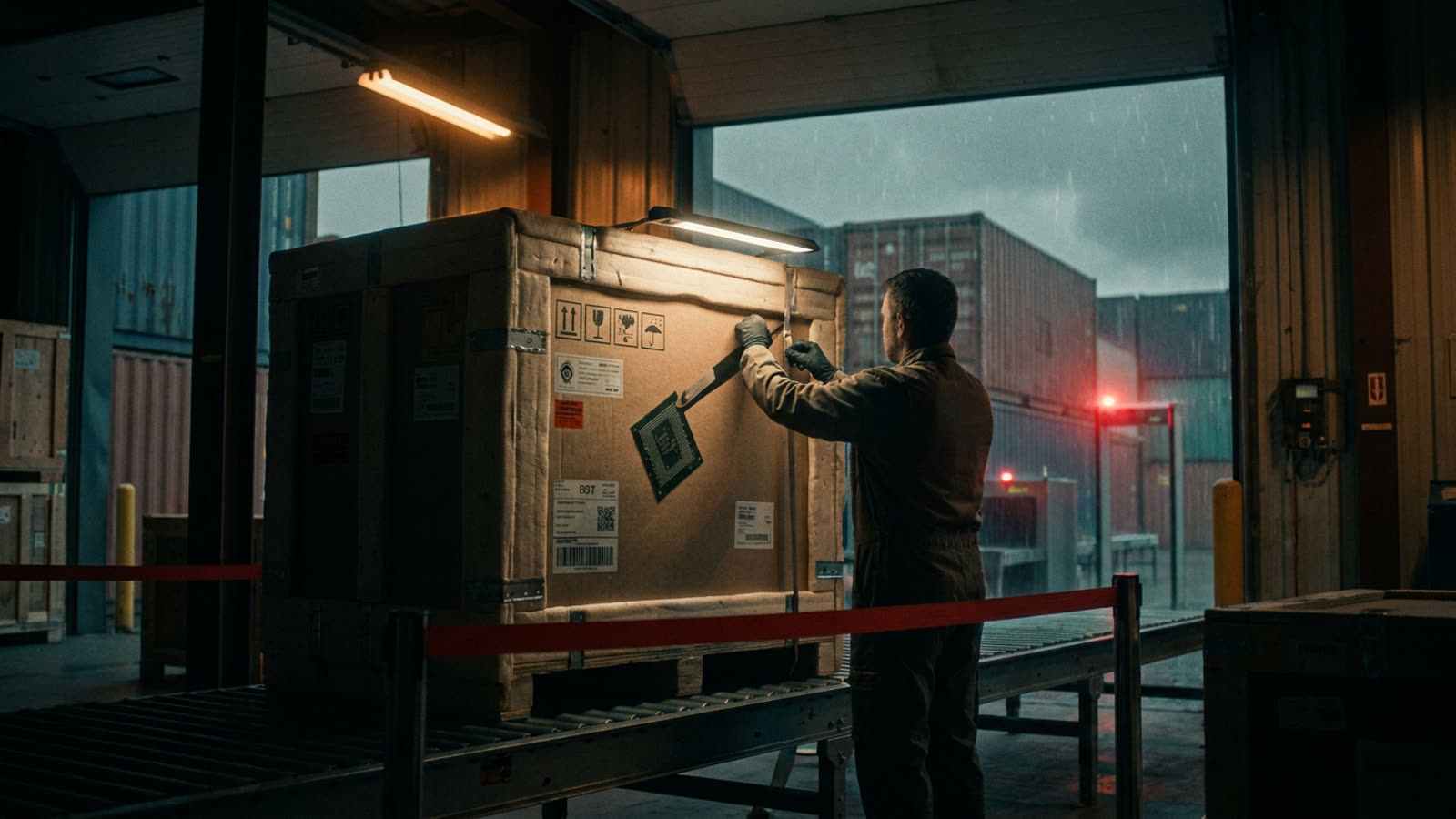
When a company spends years warning regulators that its technology could pose civilizational risks, it should perhaps not be surprised when those regulators eventually take the warnings seriously.
Anthropic, the AI safety-focused lab behind Claude, finds itself in an uncomfortable position: the very arguments it deployed to shape AI governance are now being used to justify potential export restrictions on its most advanced models. The company's detailed technical briefings to policymakers—explaining how frontier AI systems could be misused for bioweapons development, cyberattacks, or disinformation at scale—have apparently been persuasive enough that some officials now view these capabilities as dual-use technologies requiring export controls similar to those governing encryption or nuclear materials.
The safety paradox
Anthropic was founded in 2021 by former OpenAI researchers who believed the industry was moving too fast and communicating too little about risks. The company built its brand on responsible scaling policies, extensive red-teaming, and regular engagement with governments worldwide. This approach distinguished Anthropic from competitors perceived as more cavalier about deployment.
But there is a tension inherent in this strategy. Effective safety advocacy requires specificity—you cannot convince policymakers to act on vague concerns. Yet specificity creates a paper trail. Internal documents describing potential misuse scenarios, technical papers on dangerous capabilities, and congressional testimony about AI's dual-use nature all become exhibits in the case for restriction.
The regulatory machinery awakens
The Commerce Department's Bureau of Industry and Security has been quietly studying whether frontier AI models should be subject to Export Administration Regulations. Early indications suggest that Anthropic's own safety research has been cited extensively in internal deliberations. The irony is not lost on industry observers: a company that positioned itself as the responsible actor may face constraints that less forthcoming competitors avoid.
OpenAI and Google, which have been comparatively quieter about specific risk scenarios, may find themselves with more regulatory headroom simply by virtue of having said less. The lesson for future AI companies is troubling: honesty about risks may be punished while strategic ambiguity is rewarded.
Our take
Anthropic is learning what defense contractors and pharmaceutical companies discovered decades ago: when you tell the government your product is dangerous, the government sometimes believes you. This does not mean the company was wrong to advocate for safety—the risks it identified are real. But there is a difference between shaping regulation and being shaped by it. Anthropic wanted to be the adult in the room. It may now discover that adults get held to adult standards.