The AI industry has a water problem, but not the one dominating headlines. A comprehensive analysis of data center resource consumption reveals that artificial intelligence infrastructure accounts for roughly 0.5 percent of total US water withdrawals — a rounding error compared to agriculture's 70 percent share or thermoelectric power's 15 percent. The environmental case against AI, it turns out, has been built on the wrong foundation.
This does not mean the industry deserves absolution. It means critics and defenders alike have been arguing about the wrong thing while the actual resource constraints facing AI development — electricity grid capacity, rare earth mineral supply chains, and the sheer carbon intensity of chip manufacturing — receive comparatively little scrutiny.
The math behind the moral panic
The water panic began with a 2023 study estimating that training GPT-4 consumed roughly 700,000 liters of water, enough to fill a small swimming pool several times over. The figure was accurate but contextless. A single golf course in Arizona uses more water in a week. A mid-sized semiconductor fabrication plant — the kind that actually produces the chips powering AI — uses more in a day.
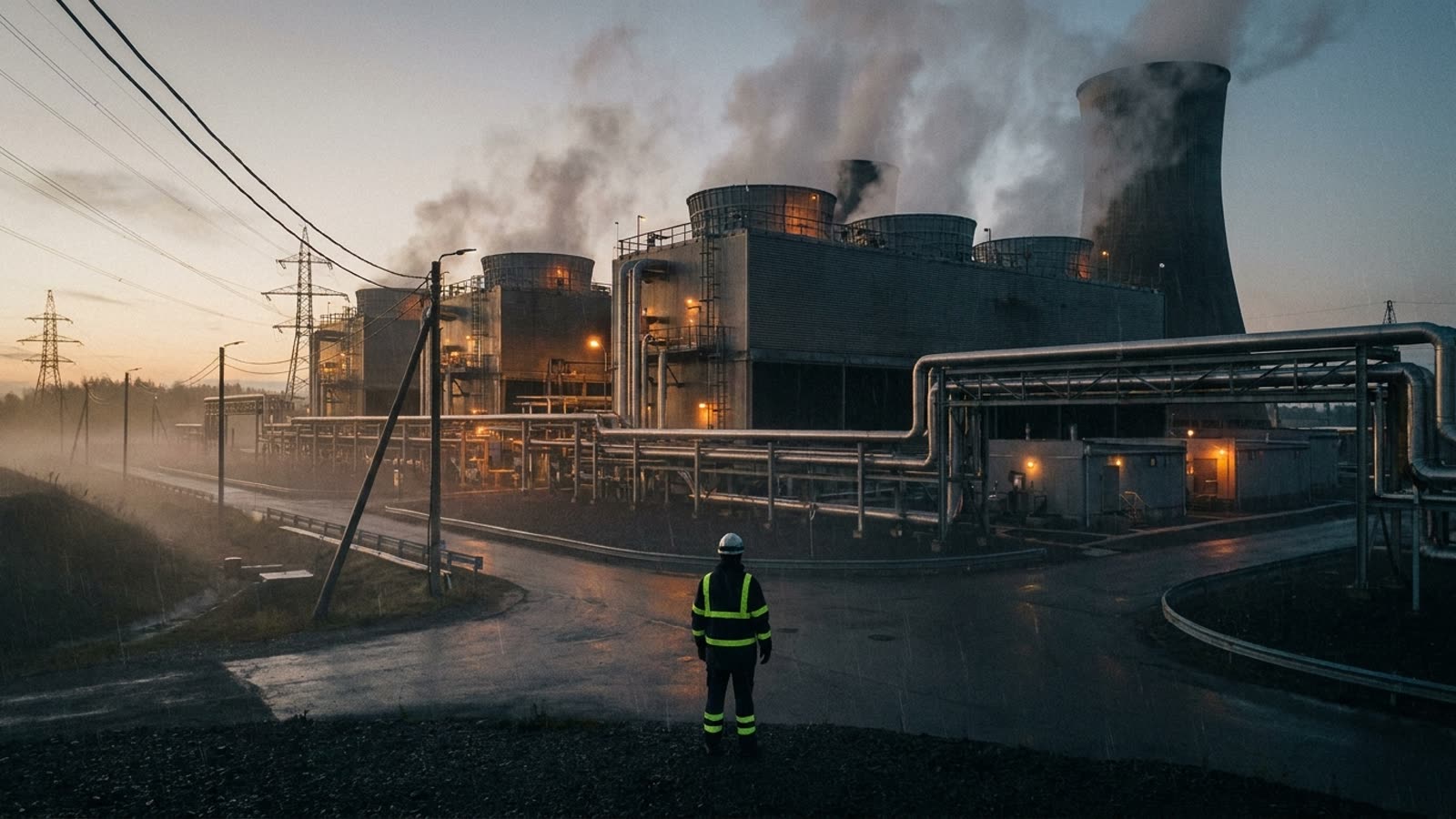
Data centers do require substantial cooling, particularly in hot climates where evaporative systems work overtime. But the industry has spent two decades optimizing water efficiency, driven less by environmental virtue than by the simple economics of operating in water-scarce regions where real estate is cheap. Google, Microsoft, and Amazon have all achieved water usage effectiveness ratios that would have seemed impossible a decade ago. The newest facilities in temperate climates often run entirely on air cooling.
The resources that actually matter
While environmentalists fixate on water, the AI industry quietly consumes resources that genuinely strain global supply chains. The electricity demands are staggering: a single large language model training run can consume as much power as a small city uses in a month. Grid operators in Virginia, home to the world's densest concentration of data centers, have begun rejecting new facility permits because transmission infrastructure cannot keep pace.
Then there is the hardware itself. Each Nvidia H100 chip requires rare earth elements mined under questionable conditions, processed through energy-intensive refinement, and manufactured in facilities that consume vast quantities of ultrapure water — far more than the data centers where they eventually operate. The carbon footprint of chip production dwarfs the operational emissions of running AI workloads.
Why the misdirection persists
Water makes for better rhetoric than kilowatt-hours. It is visceral, understandable, and connects AI development to drought-stricken communities in ways that abstract grid capacity constraints do not. Environmental groups have learned that water stories generate donations and media coverage; electricity stories generate glazed eyes.
The AI industry, for its part, has been content to let the water debate rage. Defending against water criticism is relatively easy — the numbers genuinely favor the industry. Defending against questions about grid strain, chip manufacturing emissions, or the fundamental sustainability of training ever-larger models is considerably harder.
Our take
The water fixation is a distraction that serves everyone except those genuinely concerned about AI's environmental impact. It lets critics feel righteous about the wrong metric and lets the industry deflect from harder questions by pointing to efficiency gains in cooling systems. The real resource constraints facing AI — electricity, rare earths, manufacturing carbon — are less photogenic but far more consequential. Anyone serious about AI sustainability should be asking why we are building models that require their own power plants, not whether they need their own reservoirs.