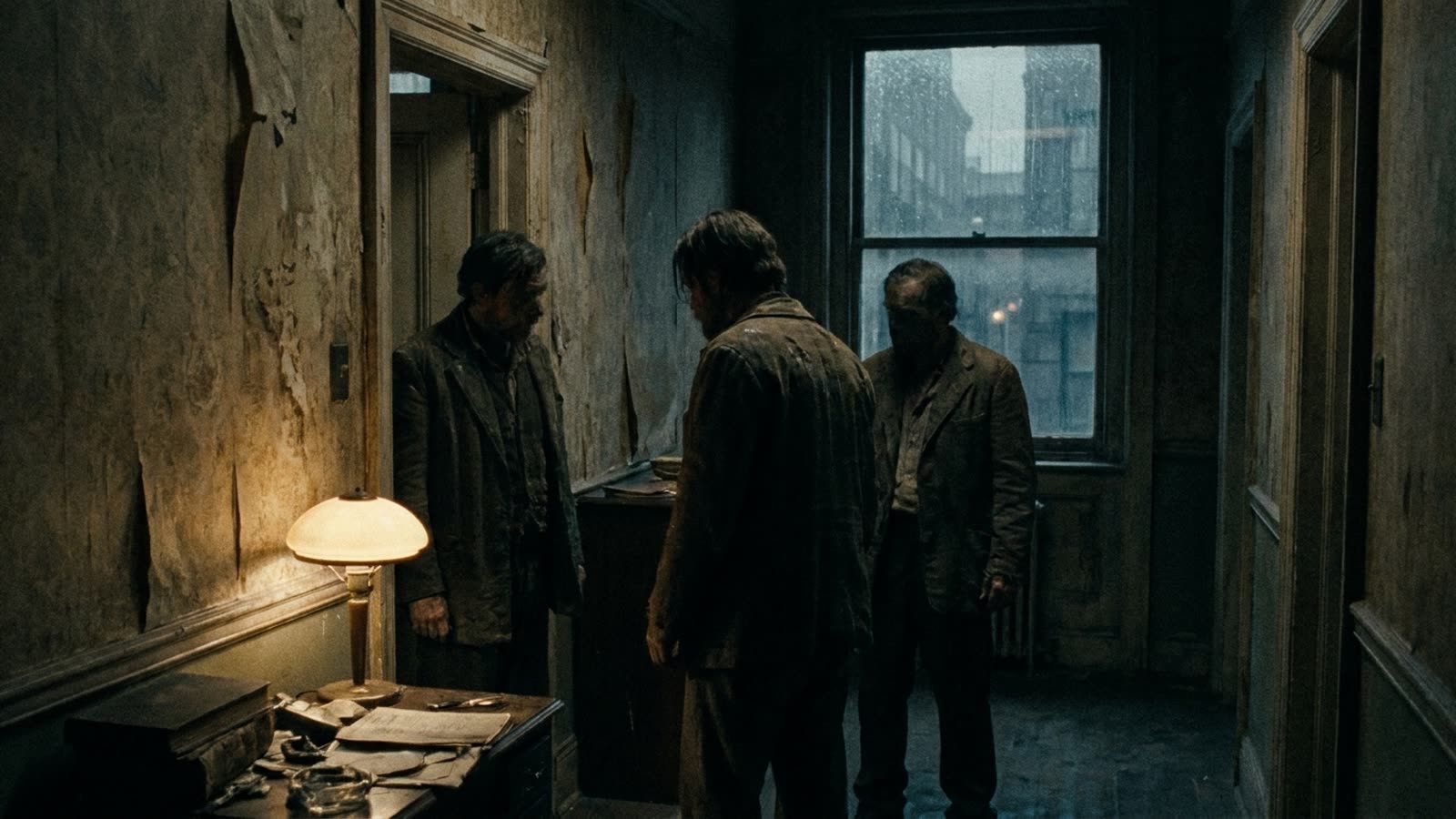
The Dolphin Hotel's room 1408 is accepting reservations again, and the guest list reads like a casting director's fever dream.
Mikael Håfström, who directed the 2007 original, is returning to helm a sequel that will reunite Samuel L. Jackson and John Cusack—both currently in negotiations—while adding Natalia Dyer and Elijah Wood to the ensemble. The news, broken exclusively by Variety, confirms what the horror-industrial complex has long suspected: no Stephen King property is safe from the sequel treatment, not even a contained psychological thriller whose entire premise hinged on one man's solitary confrontation with evil.
The original's unlikely success
The first 1408 was a modest gamble that paid handsomely. Made for roughly $25 million, it grossed over $130 million worldwide on the strength of Cusack's committed lead performance and a script that understood King's short story was about dread, not monsters. The film ended—depending on which cut you watched—with either catharsis or ambiguity, neither of which screamed "franchise potential." Yet here we are, nearly two decades later, with a sequel that must somehow justify its existence without betraying the claustrophobic intimacy that made the original work.
The new blood
Dyer, fresh off Stranger Things' long-delayed conclusion, has proven she can anchor genre material with emotional intelligence. Wood, meanwhile, has spent the post-Lord of the Rings years curating one of Hollywood's more interesting filmographies, bouncing between prestige indies and gleefully deranged horror fare. Together, they suggest the sequel is aiming for something more ambitious than a cash-grab—though the presence of two legacy stars in active negotiations indicates the studio wants its nostalgia cake too.
The question Håfström must answer: can room 1408 terrorize a new generation without simply repeating its tricks? The original's power lay in its refusal to explain the room's malevolence. A sequel, by definition, must expand the mythology or risk feeling redundant.
Our take
This has all the ingredients of a noble failure or a genuine surprise—there's little middle ground when you're sequelizing something that worked precisely because it was self-contained. Dyer and Wood are smart additions; they suggest the filmmakers understand that horror sequels live or die on performance, not lore. But the real test will be whether anyone involved can resist the urge to open doors the original wisely kept shut. Sometimes a haunted hotel room should stay checked out.